
Research: Air Pollution in East Java Villages Exceeds WHO Safe Limits Due to Plastic Burning
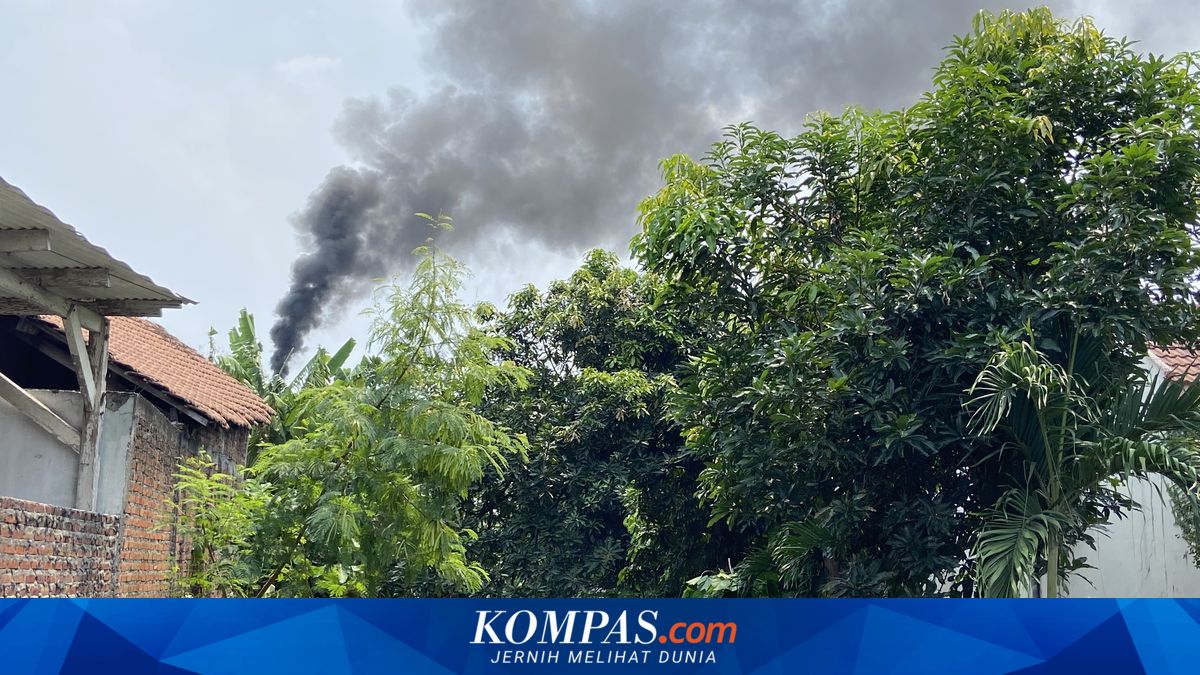
The burning of plastic waste in rural areas has now become an urgent public health issue in Indonesia. A latest study led by Dr. Asri Maharani from The University of Manchester, UK, uncovers the link between air pollution from plastic burning and increased risk of cardiovascular diseases (heart and blood vessels). This study, funded by the British Heart Foundation, spotlights conditions in East Java, where villages like Sumberejo receive around 50 tonnes of low-quality plastic waste mixed with imported paper rubbish every day. Women aged over 40 work as informal ‘plastic farmers’. They separate the paper to resell to factories, but leave behind large piles of plastic that cannot be recycled. Without adequate waste disposal systems, the community is forced to burn the remaining plastic as fuel for lime kilns or tofu factories. “This is a unique form of rural air pollution, different from urban traffic or industrial pollution,” said Dr. Asri Maharani, who is also a lecturer in the Division of Nursing, Midwifery, and Social Work at the University of Manchester, quoted from the university’s website. In collaboration with Universitas Brawijaya (UB), the research found shocking facts. Air pollution levels in the studied communities reach more than 800 micrograms per cubic metre. This figure far exceeds the safe limit set by the World Health Organization (WHO), which is only 12 micrograms per cubic metre. Microscopic particles from the toxic smoke are small enough to enter the lungs and bloodstream. This increases the risk of serious diseases such as coronary heart disease, stroke, and chronic respiratory disorders. “We see how this pollution contributes to chronic conditions, especially cardiovascular diseases, which are still under-researched in such environments,” added Dr. Asri. The research team installed air quality sensors in villages with high and low exposure levels for comparison. They also collected air samples for further analysis in the UK to identify harmful chemicals, including microplastics and dioxins. At the same time, local medical teams gathered health data from around 260 residents. Examinations included blood pressure, blood sugar, BMI, and inflammation markers through blood tests to check for heart disease risks. Imported plastic waste often comes from high-income countries, but the impact is felt by communities in developing nations with limited resources to protect themselves. The results of this study are expected to inform health and environmental policies in Indonesia. The collected data will support a new national screening programme planned by the government. “Plastic pollution is everywhere. We need to understand how it affects their health—not just to document it, but to change it,” emphasised Dr. Asri.