
Requires Rp 60 Trillion Annually to Revive Dormant Railway Tracks
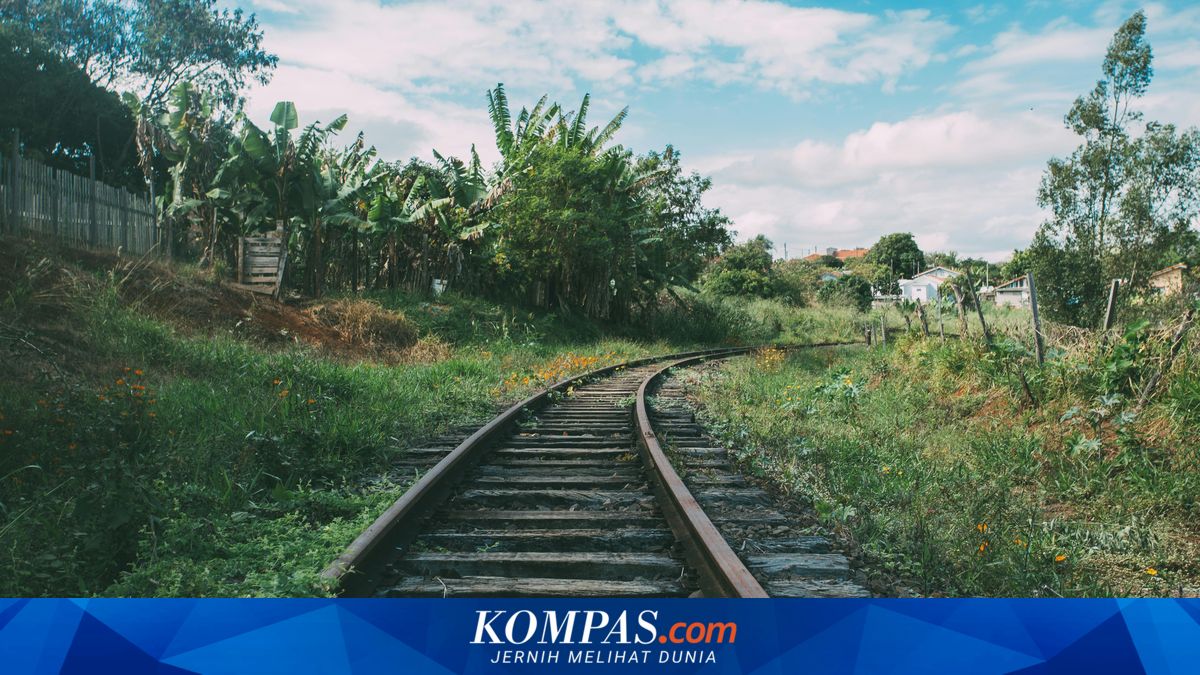
JAKARTA, KOMPAS.com - Coordinating Minister for Infrastructure and Regional Development Agus Harimurti Yudhoyono (AHY) stated that the government requires a budget of around Rp 60 trillion to Rp 65 trillion per year to reactivate the national railway network.
AHY made this statement following a coordination meeting on the development of the national railway network, which involved several ministries, agencies, and related State-Owned Enterprises (SOEs) at Tanah Abang Station, Central Jakarta, on Wednesday (22/04/2026).
According to AHY, this budget requirement is part of a long-term plan to build and reactivate approximately 14,000 kilometres of railway tracks by 2045.
He added that the calculation is still preliminary and will continue to be refined, adjusted to the geographical conditions and needs of each region.
The development of the railway network, AHY continued, is part of the government’s priority programme in the infrastructure and regional development pillar, including network expansion in Sumatra, Kalimantan, and Sulawesi.
AHY assessed that Indonesia’s railway sector still suffers from underinvestment compared to the road sector.
He cited, for 2026, the budget allocation for the construction and repair of national roads reaches around Rp 46 trillion, while for railway tracks it is only about Rp 5 trillion.
“So there is a gap there,” said AHY.
AHY noted that land transportation dominated by private vehicles contributes around 89 percent of carbon emissions, while railways contribute less than 1 percent.
Therefore, railway development is considered important to reduce emissions while also alleviating the burden on highways.
AHY also highlighted the imbalance in railway network development between Java and other regions in Indonesia.
Of the total approximately 12,000 kilometres of existing rail network, around 10,000 kilometres are on Java. Of that amount, approximately 7,000 kilometres are still actively operating, while the rest are inactive.
Outside Java, the railway network remains limited. Sumatra already has rails, but they are not fully connected.