
Replacing a shield with a fortress to strengthen exporters
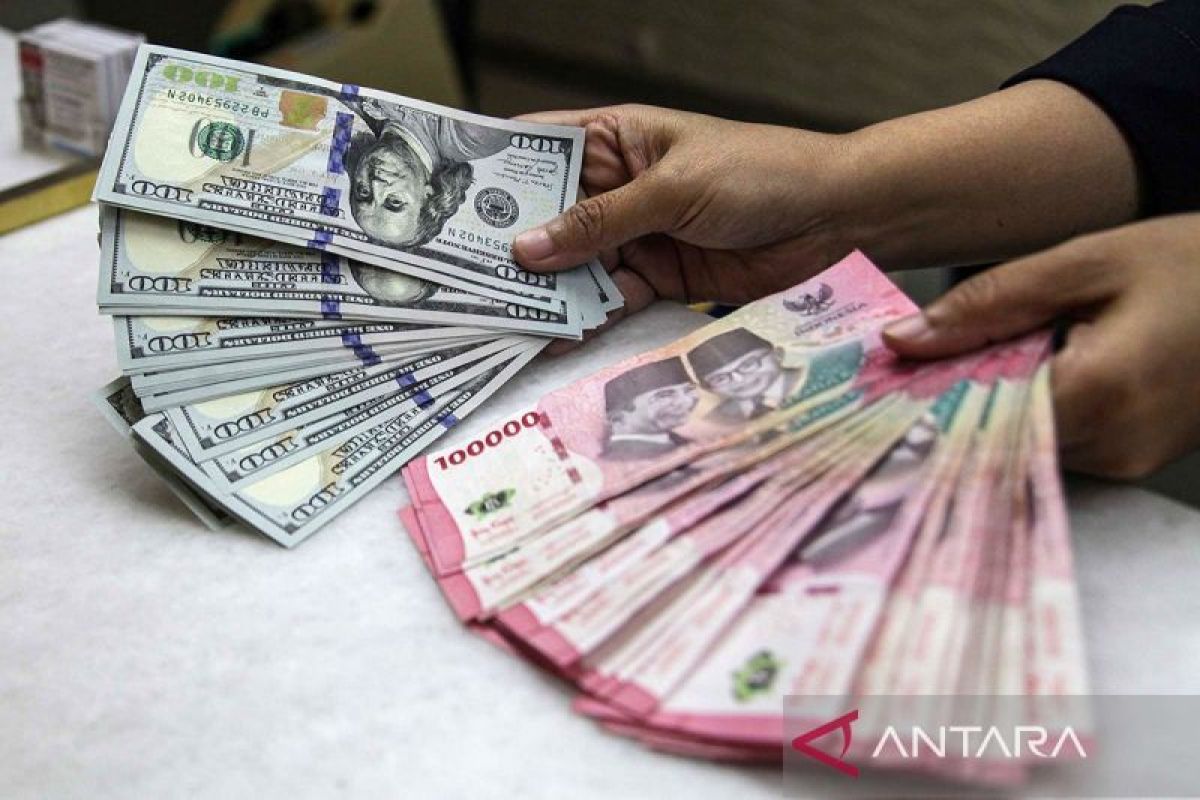
Pressure on the rupiah has resurfaced as the exchange rate breached Rp17,424 per US dollar on 5 May, weakening by around 5 per cent over the past 12 months. Ironically, this exchange rate volatility is occurring amid solid Indonesian economic growth of 5.61 per cent in the first quarter of 2026, higher than the previous quarter’s 5.39 per cent.
On the surface, the public might easily point to external factors: the war between Iran and aggression from the US and Israel, tensions in the Strait of Hormuz, surging oil prices, and high US interest rates. However, behind all this, the pressure on the rupiah truly reflects the fragility of domestic foundations, which amplify every global shock, with effects felt domestically.
Globally, the US dollar is strengthening as it returns to being a safe-haven asset amid geopolitical uncertainty, bolstered by the Federal Reserve’s high interest rate policy.
Tensions in the Strait of Hormuz are not only sparking concerns over energy supplies but also driving up oil prices and import inflation pressures in oil-importing countries like Indonesia. Our inflation surged to 4.76 per cent (year-on-year) in February 2026, from 3.55 per cent in January, with the consumer price index rising from 105.48 to 110.50.
Contemporary monetary economics literature reminds us that external factors are merely the spark; the size of the “fire” is greatly determined by domestic fuel conditions. In Indonesia, there are at least four structural vulnerabilities that make the rupiah easily sway.
First, the widening fiscal deficit and increasing debt financing needs raise concerns about fiscal sustainability. Markets will demand higher risk premiums, leading to outflows of foreign portfolio funds from the government securities market and exacerbating pressure on the rupiah.
Second, an economic structure that still heavily relies on imports of raw materials, some foodstuffs, and energy keeps US dollar demand high, even when domestic economic growth appears strong. Once commodity prices weaken or global demand slows, the trade surplus narrows, and the foreign exchange reserves buffer against exchange rate volatility thins.
Third, Indonesia’s export competitiveness remains locked into primary commodities with low value added and expensive, inefficient national logistics. On the SME side, there is encouraging progress: throughout 2025, SME product exports reached about 15 per cent of Indonesia’s total exports and penetrated more than 33 countries.
However, compared to around 65 million active SMEs, this contribution still needs to be enhanced to significantly support the trade balance and foreign exchange reserves, especially when juxtaposed with Malaysia and Thailand, where SMEs contribute 28-30 per cent to exports.
Fourth, policy governance and inter-agency communication that are not fully aligned often create signal confusion. Shifts in messaging and inconsistent economic policy communication reinforce investors’ wait-and-see stance and drive volatility in the domestic financial markets. With this combination of factors, every global shock makes the rupiah seem to stand only with a thin shield, not behind a sturdy fortress.
Short-term shield