
Reopening of the Strait of Hormuz in the Spotlight Amid Conflict
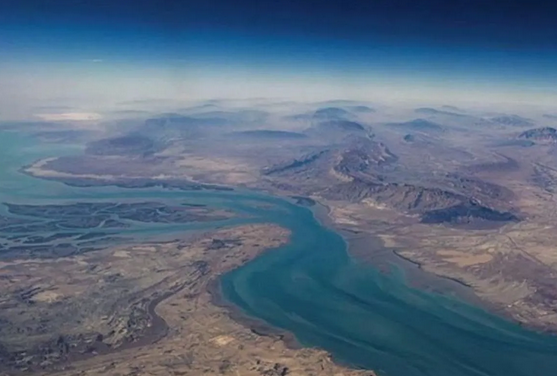
The Strait of Hormuz has once again become the centre of global attention with plans to reopen the route, given its role as one of the most vital points in worldwide energy distribution. The Strait of Hormuz has long been known as the most crucial shipping lane for global oil trade. Around 20% of the world’s oil supply passes through these narrow waters, making it a determining factor in international energy stability. The closure of the route due to conflict between Iran, the United States, and Israel has directly impacted the disruption of global supply chains. Hundreds of ships have been reported stranded on both sides of the strait, triggering concerns over a surge in oil prices and uncertainty in energy distribution. The plan to reopen the Strait of Hormuz is not only seen as a de-escalation step in the conflict but also as an effort to restabilise the global energy supply that was previously shaken. US President Donald Trump stated that the route will soon be opened and will be under joint management with Iran. “It will be opened soon. It will be jointly controlled. Me and the Ayatollah, whoever the Ayatollah is, whoever the next Ayatollah is,” Trump said, as quoted by CNN. The reopening of the Strait of Hormuz is expected to be a key factor in easing pressure on the world energy market, although the security situation in the region remains a primary concern.