
Rendang Diplomacy Helps Communities and Preserves Culture
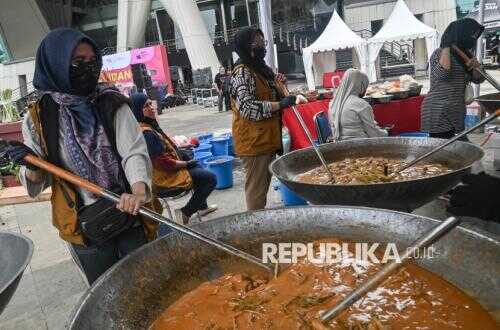
Rendang is not merely a delicious culinary speciality of the Minangkabau people, but a symbol of solidarity and strong cultural identity. As Ramadhan 2026 approaches, this gastronomic wealth becomes the focal point of two tangible initiatives: humanitarian assistance for Sumatra and strengthened child nutrition in schools through a unique traditional method.
The Minister of Culture, Fadli Zon, inaugurated the “Ramadhan of Food Performative: Rendang for Sumatra” programme at the Makara Art Center, University of Indonesia. This collaborative programme aims to distribute 17,000 packets of ready-to-eat rendang to residents affected by disasters in Sumatra.
Fadli Zon emphasised that the selection of rendang as food assistance is highly strategic. Beyond using local ingredients, rendang has a long shelf life without preservatives and is practical to consume in disaster areas.
This activity is not merely about food, but also a cultural innovation that combines performing arts, ethnographic exhibitions, and the spirit of collective effort across institutions. The investment in production facilities is remarkable, involving 26 large cooking pots to process 1.5 tons of rendang meat with support from community donations.
The Philosophy of Culture and Academic Contribution
The Vice Rector of the University of Indonesia, Hamdi Muluk, described this movement as a reflection of the Minangkabau philosophy “Tungku Tigo Sajarangan” (Three Communal Stoves). The synergy between government, academia, and cultural communities represents both cultural diplomacy and a tangible solution for people affected by disaster. This demonstrates that gastronomy is an object of cultural advancement capable of uniting the nation around humanitarian values.
The spirit of preserving rendang culture is also evident in Padang through the Tanah Sirah Piai Nan XX Nutritional Fulfilment Service Unit. In the Free Nutritious Meals (MBG) programme, they serve a special rendang menu whose preparation process involves unique local wisdom: the use of beruk (trained monkeys) to pick coconuts.
These beruk are not ordinary wild animals, but creatures that have undergone “special training” to select coconuts with optimal maturity levels. The oil and coconut milk from these carefully chosen coconuts is the secret to the exquisite flavour of the rendang spice blend in the service unit’s kitchen. I Dewa Made Agung from the Indonesia Food Security Review considers this method to create an unparalleled taste whilst illustrating the mutualistic relationship between humans, nature, and animals.