
Removed from the List of Social Assistance Recipients for PKH BPNT? Here's How to Get It Back
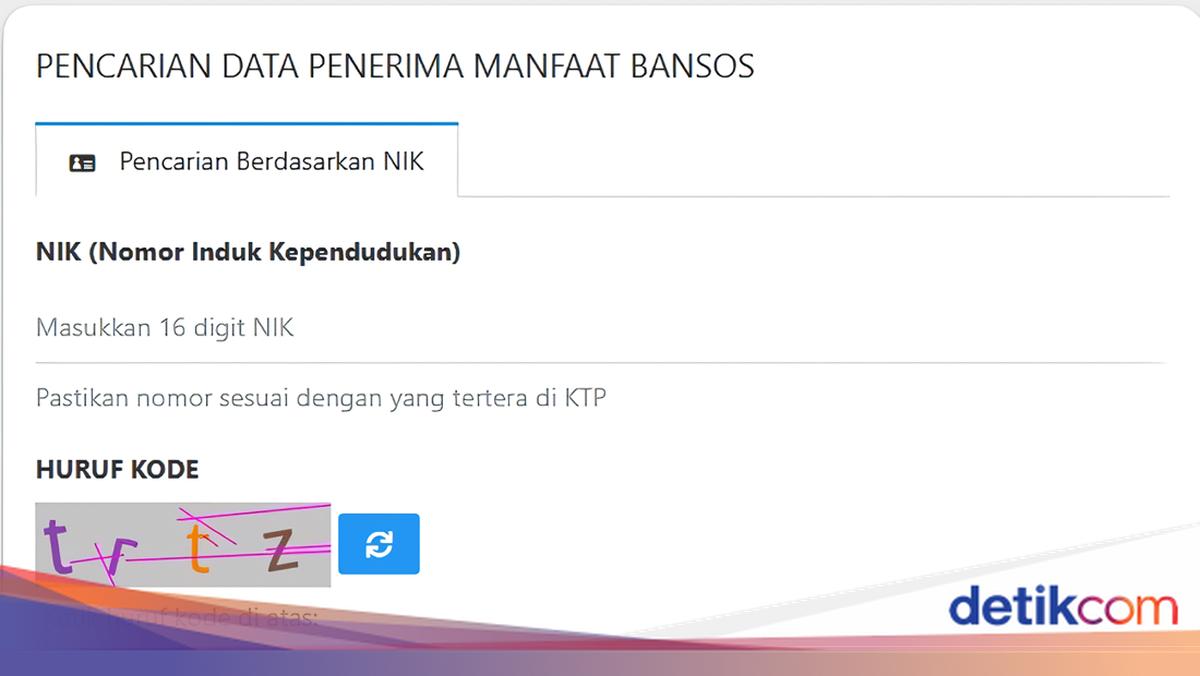
Many members of the public often wonder why their names suddenly no longer appear on the list of recipients for Social Assistance (Bansos), whether for the Family Hope Programme (PKH) or Non-Cash Food Assistance (BPNT). They feel that their personal data has not changed. This certainly causes economic shock for many Beneficiary Families (KPM). After all, both forms of assistance are intended to help meet basic needs, particularly related to food. So, how can one be re-registered as a bansos recipient, either for PKH or BPNT? To be re-registered as a KPM, this can be done through the Cek Bansos application managed by the Indonesian Ministry of Social Affairs (Kemensos). Through this application, the public can do two things: propose themselves, family members, or other residents deemed eligible as potential bansos recipients, including reapplying as a KPM after being removed from the recipients’ list via the proposal menu. In addition, the public can also participate in overseeing the implementation of these bansos programmes by submitting objections if they find beneficiary data that is deemed inconsistent with field conditions via the objection menu. It should be understood that to reapply as a KPM after being removed from the bansos recipients’ list, there are several stages that must be gone through. Therefore, pay attention to the following explanation! However, before that, as an initial step, it is important to first know the reasons why someone can be removed from the bansos recipients’ list. By understanding the causes, the chances of being re-registered as a bansos recipient will be greater. Reasons for Removal from the Social Assistance Recipients’ List Based on information uploaded on Instagram @pemprovbangkabelitung, the determination of bansos eligibility heavily depends on data connected to the NIK on the ID card. This data reflects an individual’s socio-economic condition, which is then classified into a welfare decile. If someone falls into deciles 6-10, they are considered to be in the middle to upper economic category and are no longer a priority for assistance. This is because those who meet the priority criteria for assistance are in deciles 1-5. This assessment is not without basis. The system automatically reads various financial activities and asset ownership recorded using the NIK, such as bank credit or debt ownership up to savings above Rp 15 million. In addition, there are several other factors that influence this welfare decile classification. Here is a complete breakdown, still quoted from the same source, including: - Ownership of assets, land certificates more than one, vehicles, whether motorbikes or cars more than one, permanent luxury houses, or high-priced electronic devices. - Participation in financial services such as PayLater or online loans. - Having vehicle instalments. - Owning gold at Pegadaian. - Income above the District/City Minimum Wage (UMK). - Proven connection to family members involved in online gambling. - Having family members registered as civil servants/Indonesian National Armed Forces/Police/State-Owned Enterprises/State Officials. - Registered as a participant in BPJS Employment with formal worker status. - Having high household electricity usage. - Recorded as a private employee or self-employed. What is Welfare Decile? Referring to the DTSEN page, a decile is a system for grouping family welfare levels calculated from various socio-economic indicators. This data is dynamic, meaning it can change and be updated periodically following the latest conditions. Therefore, decile status plays an important role in determining the type of social assistance that the public is entitled to receive, whether regular bansos or additional bansos, such as PKH, BPNT, or Direct Cash Assistance (BLT). The determination of deciles has been regulated in the Minister of Social Affairs’ Decree Number 79/HUK/2025 on the Determination of Family Welfare Ranking. This regulation serves as the basis for the distribution of social assistance and various social welfare programmes under the Ministry of Social Affairs. Based on a publication from the Indonesian Coordinating Ministry for Economic Affairs, the division of deciles 1 to 10 is as follows: - Decile 1: the bottom 10% household group (very poor category). - Decile 2: the 10-20% bottom group (poor category). - Decile 3: the 20-30% bottom group (near-poor category). - Decile 4: the 30-40% bottom group (vulnerable poor category). - Deciles 5-6: the 40-60% group (middle category). - Deciles 7-10: the top 30% group (middle to upper category). How to Check Bansos Recipients After knowing information related to welfare deciles, the step that can be taken is to check whether oneself is registered as a bansos recipient or not, either for PKH or BPNT. For those who want to ensure whether their name is registered as a bansos recipient for PKH or BPNT, the check can be done through the official Cek Bansos application or website. Here are the steps: Through the Cek Bansos Application - Download the Cek Bansos application from the Play Store or App Store. - Log in if you already have an account. - If not, register by preparing ID card data, NIK, and family card. - After the account is successfully created, log in using that account. - Select the “Cek Bansos” menu. - Fill in the regional data (province, district/city, sub-district, village/sub-district). - Enter the full name as per the ID card and verification answer. - Click the “Search Data” button. - If registered, information will appear such as the recipient’s name, age, type of assistance, disbursement status.