
Remembering the Figure of Entrepreneur Bambang Hartono
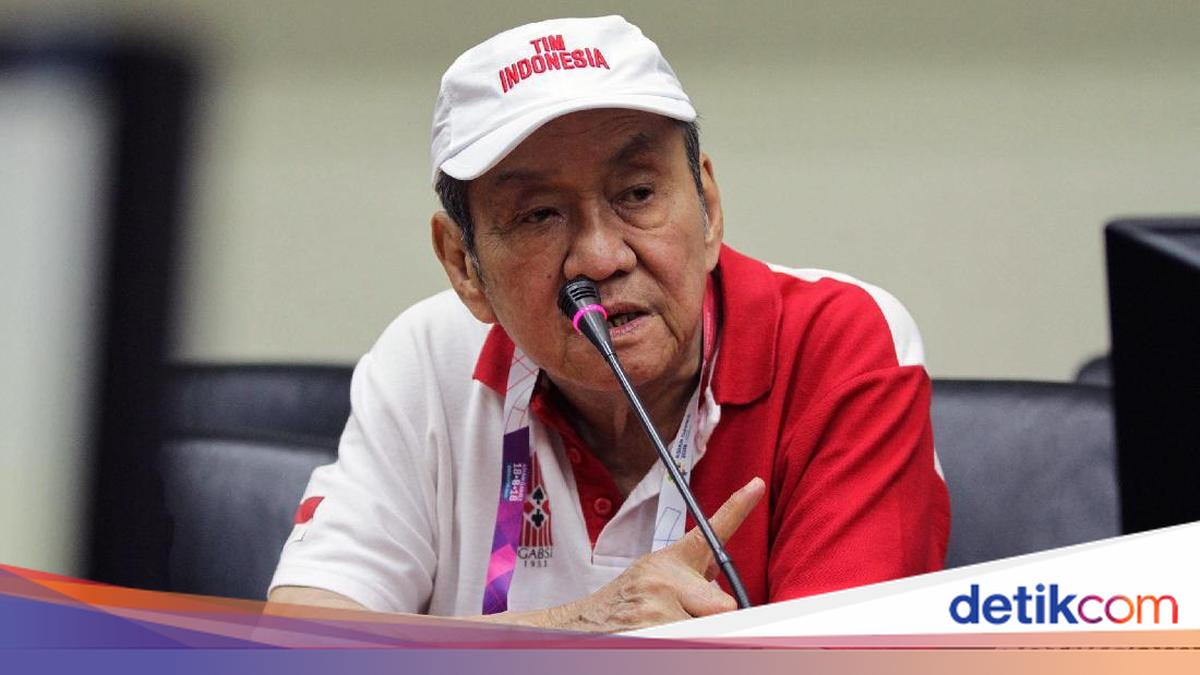
Before M. Bambang Hartono passed away, several months ago Universitas Paramadina invited entrepreneur Victor Hartono to deliver a public lecture. Victor Hartono is the leader of the vast Djarum Group and also the heir to Bambang and Budi Hartono.
His lecture narrative was extraordinary and revealed the long journey of Djarum, which rose and fell since 1927 with a business in firecrackers for major holidays. As rector, I assess that the experience of a business practitioner of Victor Hartono’s calibre is important to share with the younger generation.
Understanding the complex world of business, succession, and the regeneration process in family businesses should serve as a valuable lesson for future leaders. Bringing in a figure like Victor Hartono is a strategic step to share real stories about the continuity of businesses across generations.
The business history that has run since 1927 has given birth to a conglomerate that absorbs a lot of labour and has a very extensive business network. The direct workforce from this group is at least hundreds of thousands (100,000-120,000 workers). At Bank BCA, it absorbs no fewer than 25,000-30,000 employees.
The cigarette industry can reach 70,000 workers. Others such as the electronics industry, services, e-commerce can reach 10,000 employees. Meanwhile, indirect workers can reach millions, starting from the tobacco and clove supply chain (tobacco farmers, clove farmers, collectors, and distributors of raw materials and others).
The Djarum Group’s network also extends from retail distribution, shops, stores, cigarette agents, small traders, and others.
After the generation of Bambang Hartono and Budi Hartono, Victor Hartono is the ninth generation of the large Hartono family of the Djarum Group. In that public lecture, Victor explained that since 1927, this family business has gone through ups and downs dozens of times with very long bitter experiences. However, this experience has become an important lesson to continue changing and innovating.
Old industries that were pursued disappear, replaced by new ones; current industries are not necessarily relevant and can continue to run in the future. Political conditions and international turmoil usually become determining factors in the ups and downs of the business world or specifically the continuity of this group.
Victor explained that the initial business of trading firecrackers was completely wiped out due to unstable political factors during the transition from Dutch to Japanese rule and the independence era. Practically, the family’s early business in the 1930s and 1940s was destroyed due to political changes.
Victor recounted the history of his grandfather, Oei Wie Gwan, who pioneered a firecracker factory business under the Cap Leo trademark, which went bankrupt multiple times due to explosion accidents, robberies, up to production bans during the Japanese occupation in 1942.
After that, the Hartono family business shifted to trading peanut oil. However, with the arrival of more efficient palm oil, that business also went bankrupt due to the dynamics of the efficient and rapidly developing palm oil market.
Besides external challenges, the family business also faces internal challenges, namely from the family. The ties of a large family make it impossible for everyone to run the business. Critical obstacles to the business often come from within the family. Various disputes ranging from cash flow issues, leadership, to unfair dividend distribution are described as time bombs that can shake family businesses.
But at present, there is a kind of “Shura Council” within the Djarum Group that selects leaders selectively to find good business leaders who are smart at running the business. This is where the business legacy of Bambang Hartono and Budi Hartono continues to run and develop.
So, in order to maintain the sustainability of the family business, Victor explained the function of that “Shura Council.” Bambang Hartono must not nominate his child to lead, nor Budi Hartono. Other Shura Council members must nominate to ensure objectivity that the candidate can truly lead.
Within the group, there is a clear leadership structure, that the main leader should be only one so that the business direction remains maintained and conflicts can be minimised. In that way, the division of roles among family members is divided fairly. Internal unity is maintained with a spirit of openness together.
That is the strategy to strengthen long-term competitiveness of this group. Even though Bambang Hartono has passed away, the next generation is ready to continue. Solid regeneration is the key to success in family businesses. According to Victor, regeneration must not stop at inheritance of the name, but must produce true business practitioners who are able to read the times and continue to the next generation.
Didik J. Rachbini. Economist and Rector of Universitas Paramadina.