
Religious Officials Still Concentrated in Urban Areas, Many Regions Still Understaffed
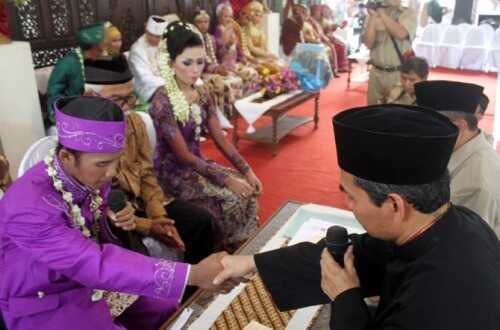
REPUBLIKA.CO.ID, JAKARTA — The Ministry of Religious Affairs (Kemenag) is preparing a mechanism for the equitable distribution of religious officials and the recruitment of new staff to address the uneven distribution of religious officials, ensuring that religious services are accessible throughout Indonesia.
“The mindset must change. Religious officials are public servants, so they must be prepared to be assigned to various regions according to the needs of the organisation,” said the Director General of Islamic Community Guidance (Bimas) at the Ministry of Religious Affairs, Abu Rokhmad, in Jakarta, Tuesday (24/2/2026).
Abu said that the issue of the distribution of religious officials remains a challenge that needs to be addressed immediately. According to him, the placement of religious officials must be designed systematically to prevent overcrowding in certain areas, especially urban areas, while other areas experience shortages.
He explained that religious officials are expected to have extensive territorial experience, understand the diversity of society, and be adaptable to different social and cultural conditions. “To this end, accurate data on real needs and a map of the distribution of religious officials are needed, especially since many will be reaching retirement age,” he said.
Currently, he said, the distribution of religious officials is still concentrated in urban areas. This condition causes a shortage of religious official human resources in several regions.
The government believes that this problem can be overcome through the recruitment of new staff and the equitable distribution of religious officials nationally, involving the Secretariat General (Setjen) of the Ministry of Religious Affairs and all Provincial Offices (Kanwil) of the Ministry of Religious Affairs.