
Release Funds in Taput: Publication Scheme or Covert Practice
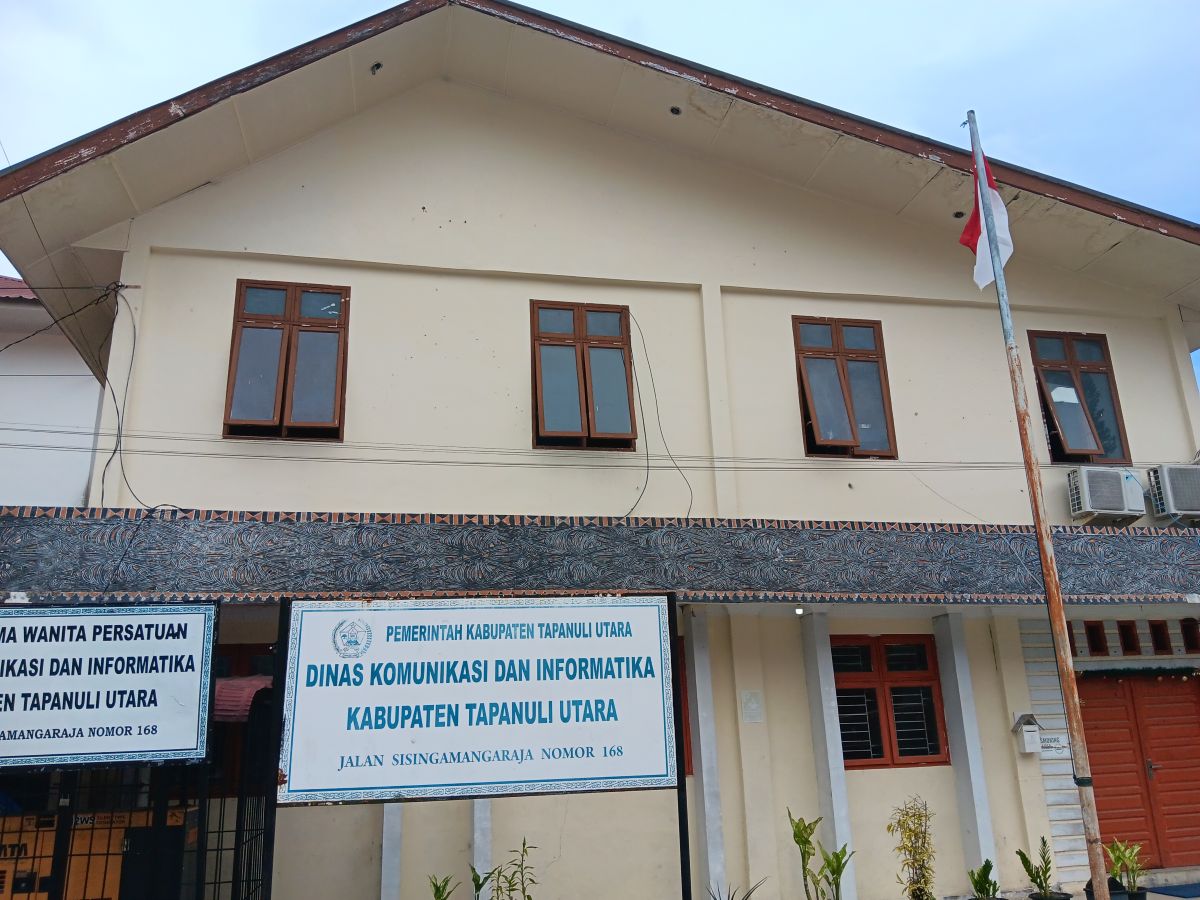
The practice of paying “uang rilis” for news in North Tapanuli Regency, North Sumatra, is increasingly coming under the spotlight. Behind the pretext of publication cooperation, this scheme is suspected of potentially eroding journalists’ independence and opening the door to conflicts of interest in news production.
Field investigations show that each published news release is valued at around Rp25,000. The payment mechanism is carried out via direct transfers to journalists’ accounts and disbursed periodically every quarter. This pattern indicates the presence of a quantity-based incentive system, rather than one focused on journalistic quality.
Several journalists in the area, who declined to be named, admitted to the pressure to increase the number of release publications to chase accumulated payments.
“If it’s not picked up, then there’s no payment. Like it or not, we chase the quantity,” said one source.
This situation is seen as vulnerable to shifting the press’s role from social control to merely an extension of government information dissemination. In the long term, the public risks being fed information that lacks verification and tends to be one-sided.
Efforts to confirm with the Head of the Communications and Informatics Office (Kominfo) of North Tapanuli, Donna Situmeang, have yet to yield results. Messages sent via WhatsApp on Wednesday (25/3) at 13:58 WIB received no response.
Meanwhile, the Head of News Division at the North Tapanuli Kominfo Office, Volmer Silalahi, when confirmed regarding the budget aspects and legal basis of the activity, has not provided adequate explanation.
Questions posed included the total “uang rilis” budget for the 2026 Fiscal Year, its inclusion in the Regional Budget (APBD), and the nomenclature of the programme or activity that covers it.
Instead of addressing the substance, the individual only asked for time. “Be patient, brother… (Brother, be patient waiting),” he wrote in a reply message on Friday (27/3) at 11:17 WIB.
This lack of openness further strengthens suspicions of issues in the management of publication budgets. In accountable government practices, every use of regional budgets should have a clear legal basis, be included in APBD documents, and be accessible to the public.
From an ethical perspective, the “uang rilis” scheme also directly intersects with the Journalistic Code of Ethics, which requires journalists to act independently, free from interference, and not accept rewards that could influence reporting content.
The Press Council firmly reminds that all forms of “envelopes” or rewards have the potential to damage professional integrity.
Media observers assess that if this pattern is allowed to continue without oversight, the boundary between media cooperation and transactional practices will become increasingly blurred. “The press could lose its critical function. This is not just about money, but about public trust,” he said.
As of the publication of this news, there has been no official explanation from the North Tapanuli Kominfo Office regarding transparency, legal basis, or oversight mechanisms for the programme.