
Regular grape consumption shown to alter skin gene expression and counteract the harmful effects of UV radiation
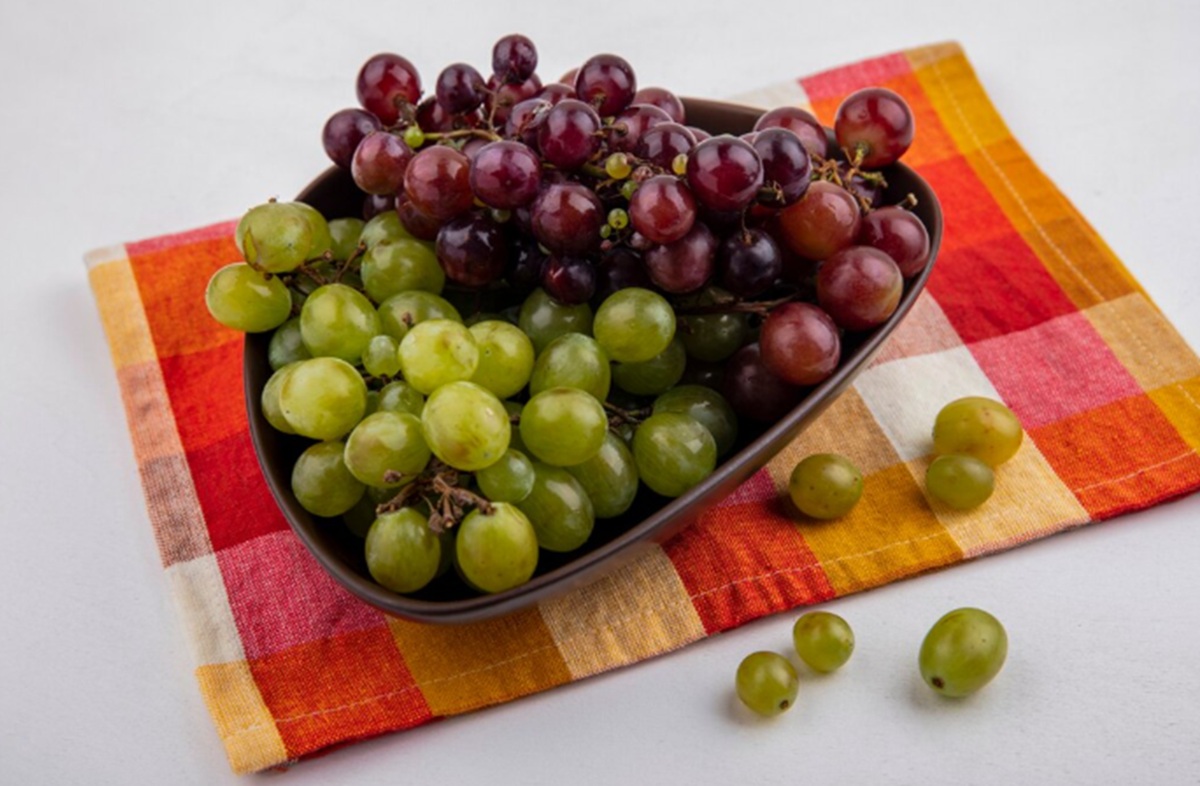
Scientists have found that consuming grapes can alter the skin’s functioning even at the genetic level. In just two weeks of daily intake, volunteers showed signs of enhanced skin protection and reduced oxidative stress from ultraviolet (UV) exposure. The researchers say the effects are widespread, although gene expression responses vary somewhat between individuals.
Earlier clinical trials had shown that grape consumption helps increase skin resilience to UV radiation in about 30% to 50% of people. Now, the new study published in ACS Nutrition Science suggests the skincare benefits of grapes are much broader and may affect nearly everyone in several ways.
In the study, volunteers consumed whole grapes equivalent to three portions per day for two weeks. The researchers then analysed gene expression in the participants’ skin before and after grape consumption, with and without exposure to low-dose UV radiation.
The scientists found large differences in gene expression between individuals as well as within the same individual over time. Each participant started the study with a unique skin gene activity pattern. That pattern shifted after grape consumption and changed again after exposure to UV light. Additional changes occurred when grape consumption was combined with UV exposure. Although each participant responded differently, the researchers observed that grape consumption consistently altered gene expression in all subjects.
After examining the data, the researchers identified common biological effects associated with grape consumption. The gene activity changes led to increased keratinisation and cornification, i.e., processes that help form the outer protective layer of the skin against environmental damage.
The team also measured malondialdehyde levels, a marker of oxidative stress, after exposing the skin to low-dose UV radiation. They found that participants who consumed grapes had lower marker levels, indicating reduced oxidative stress in their skin.
These findings reinforce the view that grapes can be categorised as a superfood with substantial effects on health across body organs.
‘We are now confident that grapes act as a superfood and mediate nutrigenomic responses in humans,’ said John Pezzuto, Ph.D., Professor and Dean of the College of Pharmacy and Health Sciences at Western New England University.
‘We observed this in the body’s largest organ, the skin. The changes in gene expression indicate improved skin health. But besides the skin, it is almost certain that grape consumption also affects gene expression in other somatic tissues in the body, such as the liver, muscles, kidneys, and even the brain.’
‘This helps us understand how whole foods, in this case grapes, influence our overall health. It is very exciting to work in this post-genomic era where we can finally begin to apply functional genomics and truly visualise the complex matrix that indicates nutrigenomic responses.’ (Science Daily/Z-2)
The growth of social media and the digital era is seen as increasingly driving public awareness of the importance of skincare and looking after one’s appearance.
A 68-year-old woman experienced a blue-black skin colour change after taking the antibiotic minocycline to treat rosacea.
According to the Centers for Disease Control and Prevention, the varicella-zoster virus can remain ‘dormant’ in the body and can reactivate as herpes zoster. Learn the risks and prevention.
A dermatologist recommends starting skincare six months before a wedding for best results and to avoid irritation as the big day approaches.
An aesthetic expert, Dr Dewita Kamaruddin, warns of ageing signs appearing in the twenties due to an unhealthy lifestyle. See care tips here.