
Regional leaders call for diplomatic efforts to end Middle East war
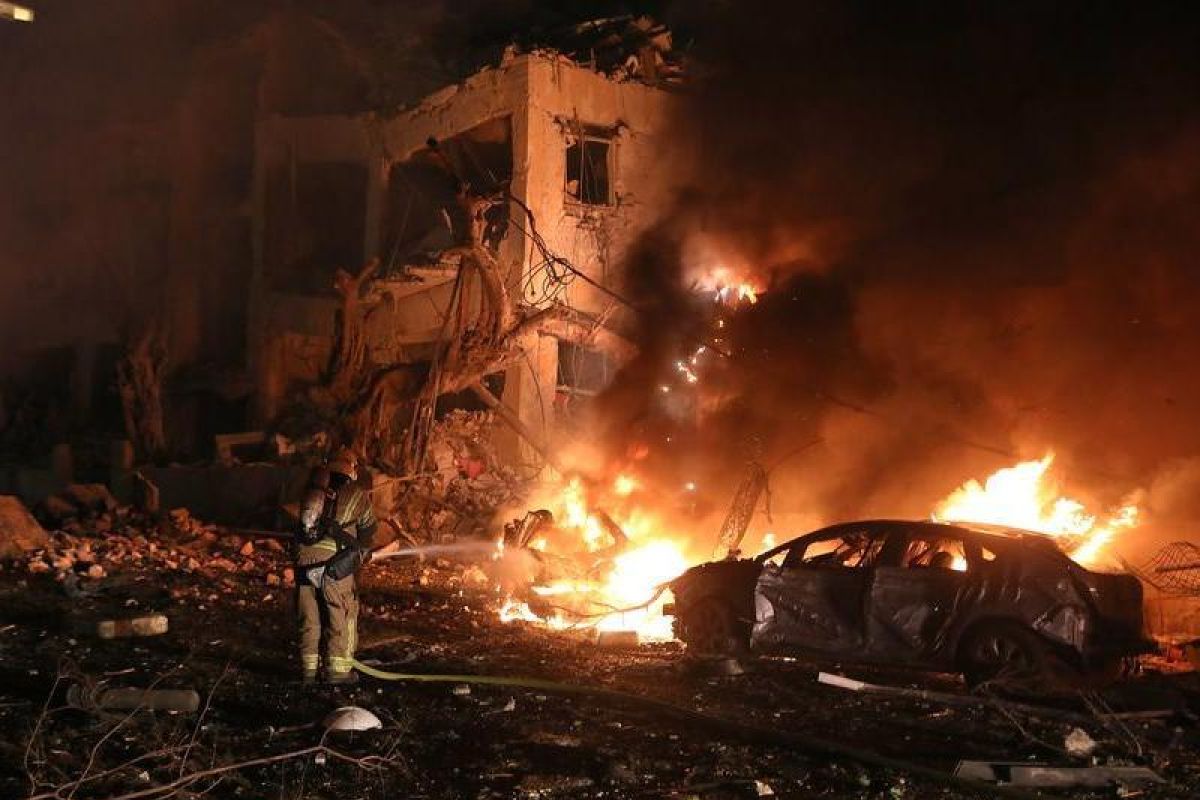
Cairo (ANTARA) – Regional leaders in the Middle East on Monday (9 March) called for diplomatic efforts to contain escalating tensions in the region, amid the continuation of combined US and Israeli attacks on Iran that have triggered retaliatory strikes.
The leaders issued these statements through a video conference during an emergency meeting convened by the European Union regarding current regional developments, attended by leaders and officials from countries represented in the Gulf Cooperation Council (GCC), Jordan, Lebanon, Syria, Turkey, Iraq, Armenia, and Azerbaijan.
During the conference, Egypt’s President Abdel-Fattah al-Sisi emphasised the importance of all parties exercising restraint, attempting to de-escalate tensions, prioritising dialogue, and promoting diplomatic channels, according to a statement from the Egyptian Presidency.
Al-Sisi stressed that resolving crises and conflicts through peaceful means is the appropriate choice for achieving desired stability and security. He also reaffirmed the necessity for an immediate cessation of “all attacks” against Arab nations.
Jordan’s King Abdullah II underscored the importance of relying on diplomacy and dialogue to reduce escalating tensions in the region, according to a statement from the Jordanian Royal Palace.
He warned of the dangers of attempts to expand the conflict by “targeting” several Arab countries that are secure and stable.
Bahrain’s Crown Prince and Prime Minister Salman bin Hamad Al Khalifa stated that Bahrain, GCC member states, and Jordan have faced unprecedented missile and drone attacks from Iran, as reported by the Bahrain News Agency.
He also said the international community needs to take firm action to protect international maritime transit and the flow of goods through the Strait of Hormuz.
Syria’s interim leader Ahmad al-Sharaa said the escalation of tensions in the Middle East poses an “existential threat” to the region, citing risks to global economic stability and increasing security pressures on neighbouring nations, according to the Syrian government news agency, SANA.
Al-Sharaa stated that Syria is directly affected by this regional turmoil due to its geographical position between several active fronts, whilst emphasising that Damascus continues to oppose what he described as violations of Arab sovereignty.
On 28 February, the US and Israel launched a combined attack on Tehran and several other cities in Iran, killing Iran’s Supreme Leader Ali Khamenei, a number of senior officials and military commanders, and hundreds of civilians.
Iran responded by launching waves of missile and drone attacks targeting Israel and US military bases in the Middle East.