
Regional Incentives Drive Private Investment in Electric Vehicle Charging Stations
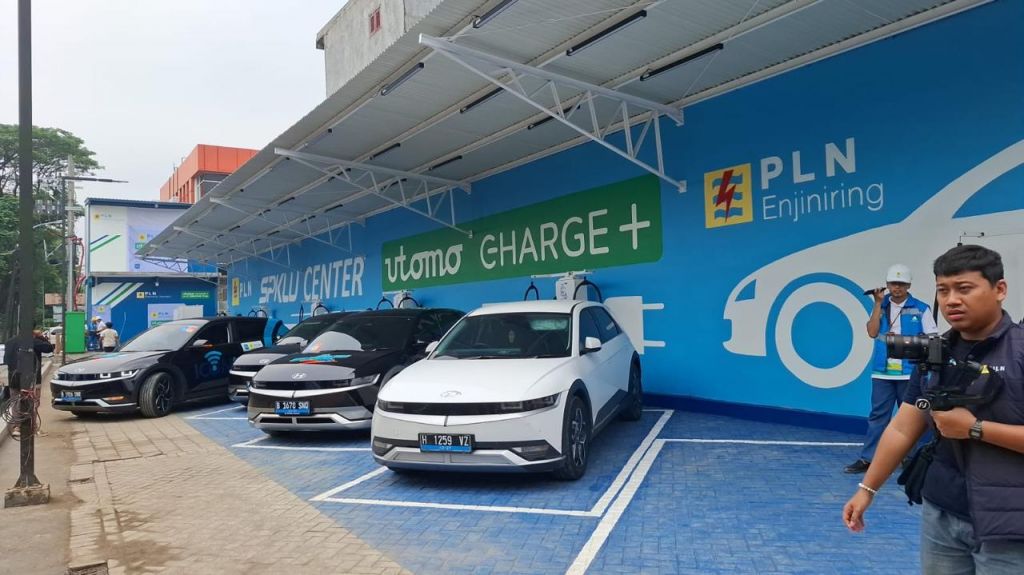
Support from regional governments for accelerating the electric vehicle ecosystem, including through regional tax exemptions and relaxed odd-even traffic policies for electric vehicles, represents a positive signal that can speed up the growth of private sector investment in electric vehicle charging infrastructure (SPKLU) in Indonesia.
Anthony Utomo, Chairman of ASPELUSI and Managing Director of the private SPKLU developer Utomo Charge+ under PT Utomo Mobilitas Bersih Indonesia, stated that progressive steps from provincial governments not only encourage increased adoption of electric vehicles among the public but also create market certainty for businesses seeking to invest in national electric mobility support infrastructure.
“When regional governments provide tangible incentives to electric vehicle users, the dominant effect is immediately felt by the supporting industry, particularly the SPKLU sector. This builds confidence among the private sector that Indonesia’s EV market will grow faster and healthier,” said Anthony Utomo in a written statement on Thursday, 7 May 2026.
Anthony explained that the main challenges for SPKLU investment have not only been technological aspects and initial investment but also certainty of utilisation and growth in the electric vehicle population.
With policies on electric vehicle tax exemptions and relaxation of odd-even rules, the attractiveness of EV ownership increases significantly, especially in major cities with high mobility levels.
ASPELUSI assesses that this momentum needs to be quickly responded to with accelerated construction of charging station networks by the private sector on a more massive and distributed scale.
“We see this as no longer just a charging station business, but part of the national energy and mobility system transformation. The private sector must start viewing SPKLU as future infrastructure, as important as petrol stations in the era of conventional vehicles,” he added.
ASPELUSI emphasises that private sector involvement is crucial given the enormous investment needs for EV infrastructure in Indonesia in the coming years. Collaboration between the government, PLN, charging operators, landowners, shopping centres, commercial areas, and logistics and fleet players will be the key to accelerating the national electric vehicle ecosystem.
Indonesia heads towards an electric mobility economy
Anthony also stated that electrification trends are not only occurring in private vehicles but are starting to move into the commercial and logistics sectors, including ride-hailing, company operational vehicles, and electric trucks.
“We see Indonesia moving towards an electric mobility economy era. Therefore, supportive regulations must maintain consistency so that private investment can enter with high confidence,” he explained.
ASPELUSI hopes that regional government support can continue to be expanded through other pro-EV ecosystem development policies, such as easing SPKLU location permits, integration with public areas and transit, and incentives for clean energy use.
As an association overseeing private SPKLU industry players in Indonesia, ASPELUSI expresses its commitment to continue being a strategic partner to the government in driving national transportation electrification and strengthening Indonesia’s energy resilience towards a cleaner and more sustainable future.