
Regional Electric Car Sales: City Cars Spur a Surge in Sales
JAKARTA, KOMPAS.com – Sales of electric vehicles in several regions are beginning to show movement following the arrival of models more suited to local consumer needs. If previously the market was dominated by curiosity about new technology, the trend is now shifting as electric cars enter the city-car segment at more affordable prices.
According to Hariyadi Kaimuddin, chief executive of PT Bumi Hijau Motor (Haka Auto, the official BYD and Denza dealer), the initial regional consumer profile is indeed dominated by buyers who are curious and want to try the new technology, not fully rational considerations. He cited that even in a major city like Makassar, early sales of electric vehicles per outlet were only around 20–30 units. That figure is far smaller than the conventional brands previously managed by the company, which could record sales of over 100 units per outlet.
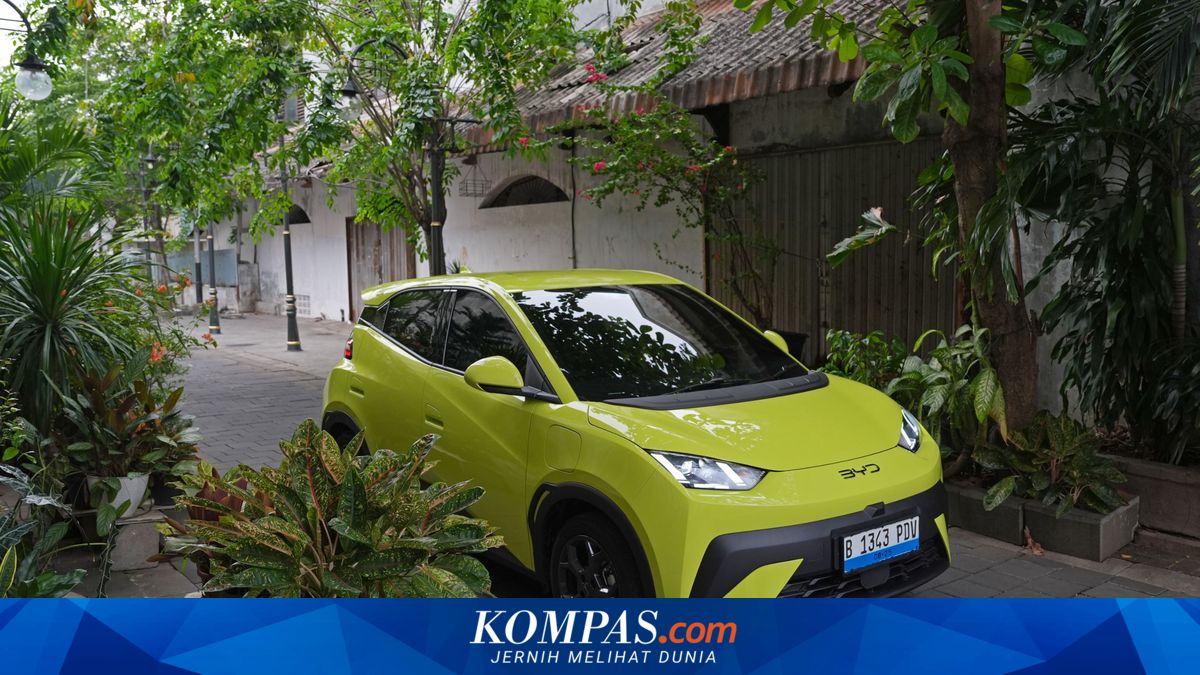
But the situation started to change when the company rolled out a city-car model such as the BYD Atto 1. Unlike the previous MPV-segment models often associated with longer journeys, the city car is seen as more suited to urban usage patterns in regional communities.
“If a car like the M6 is involved, people already think of using it outside the city. Meanwhile charging infrastructure outside large cities isn’t widespread, so people hesitate. But when the Atto 1 arrives as a city car, which is meant to be used within the city, people become more willing to buy,” said Hariyadi.
He added that the change in function and segmentation has had an immediate impact on sales. At one outlet, sales reportedly surged to around 100 units after the city-car model was introduced. The combination of clear utility and competitive pricing is driving faster movement in urban markets such as Makassar.
Nevertheless, he concedes that in other cities such as Palu and Kendari, the market remains in the early stage, with buyers dominated by those willing to try first. “In some regions there are still those who are truly bold. But as more people try, they become more aware of the quality. It will surely take time,” he said.
Hariyadi believes the regional adoption curve for electric vehicles will continue to grow gradually, from pioneer consumers to a more rational and mass market, especially if the offered models better meet needs and supporting infrastructure becomes more adequate.