
Regarding the Amsal Christy Sitepu Case, Attorney General's Office: There is a Discrepancy Between Cost Realisation and Planning
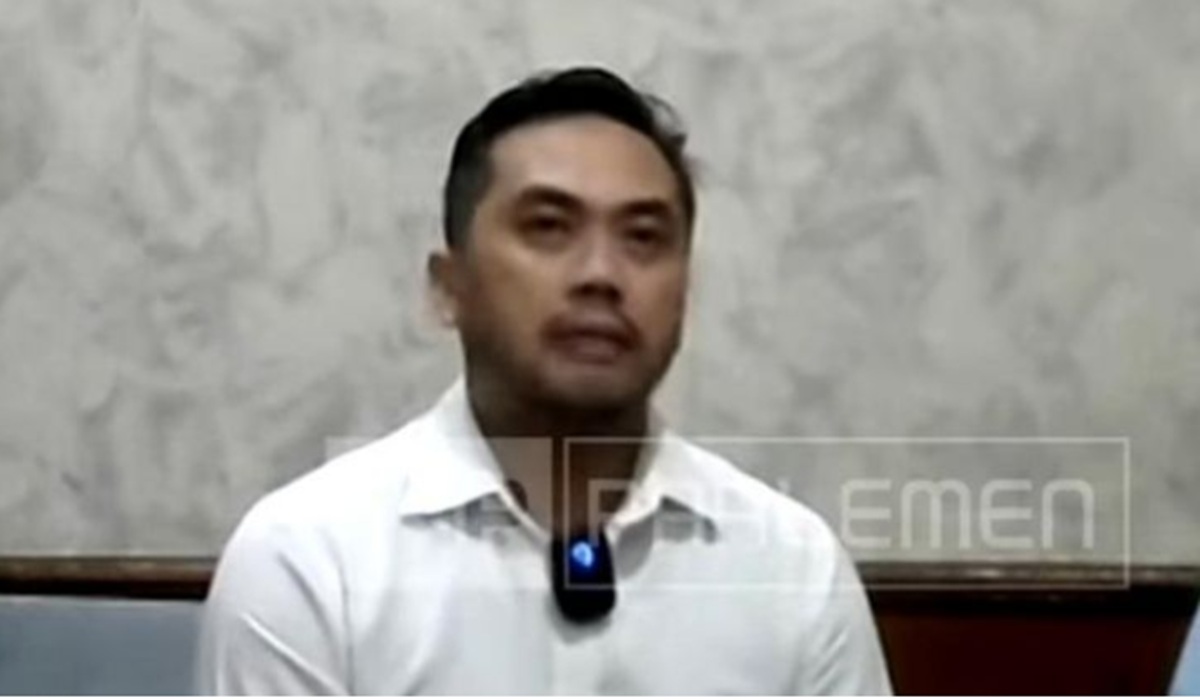
The Attorney General’s Office (Kejagung) has provided clarification regarding the alleged corruption case in the production of village profile videos in Karo Regency, North Sumatra, which implicates videographer Amsal Christy Sitepu. The Head of Public Relations and Advocacy at Kejagung, Anang Supriatna, emphasised that the issue in the Amsal Sitepu case does not lie in the quality of the work or expertise, but rather in the discrepancy between the realisation of the work and the Budget Plan (RAB). Based on the investigation results, the total state losses in this case involving village funds are estimated to reach Rp202 million. Currently, the case has entered the final trial stage with a verdict scheduled in the near future. “The modus operandi is not about skill or capability, but related to the RAB for the activity. For example, there is a budget for drone rental for 30 days, but field research shows it was only carried out for 12 days, yet it was still paid in full,” Anang stated in Jakarta on Monday (30/3/2026). Anang said that investigators found indications of budget inflation and overlaps. One striking finding was the editing costs that were allegedly duplicated in the project’s financial reports. He also highlighted the role of contractors in preparing the budget. According to Anang, the village officials using these funds tend not to understand the technicalities of preparing the RAB, so the budget draft was allegedly prepared directly by the contractors. “The village heads do not really understand this. The RAB is made by the contractors themselves, while the activities are not fully carried out as written in the RAB, but the payments are still made 100 percent,” he explained. “This is where the problem lies, there is a discrepancy between what is budgeted and what is actually done in the field,” Anang concluded.