
Refusing to Close Down: Wayang Orang Bharata's Enduring Struggle Against Modernity
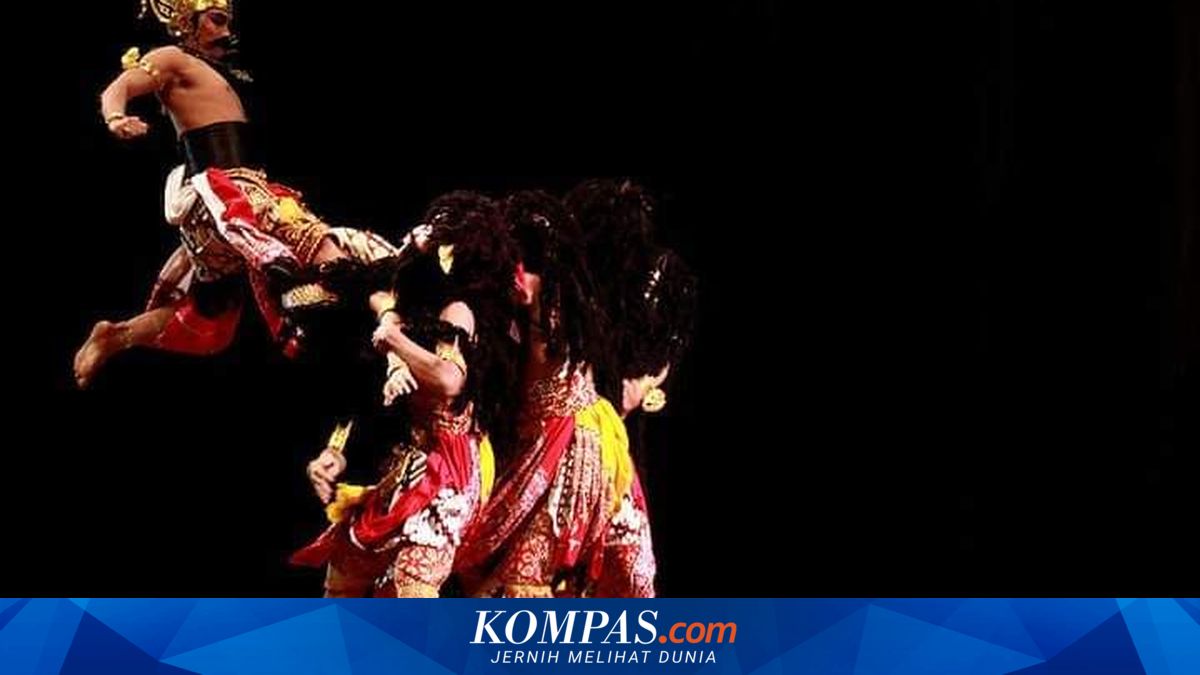
JAKARTA, KOMPAS.com - Amid the onslaught of modern entertainment such as social media and digital streaming services, there remains a stage steadfastly preserving timeless stories. In Senen district, Central Jakarta, Wayang Orang Bharata continues to stand tall in defending traditional arts. The performers endure not for luxury, but to safeguard cultural heritage amid changing times. Stage lights, gamelan melodies, and actors in traditional wayang costumes still regularly appear in performances at the Wayang Orang Bharata building. Chairman of the Wayang Orang Bharata Association (PWOB), Teguh ‘Kenthus’ Ampiranto, said Wayang Orang Bharata was established on 5 July 1972 and has survived to this day as one of the few active traditional art groups in Jakarta. As the entertainment world evolved, these groups gradually shut down as society gained more viewing options without needing to attend live shows. ‘With the progression of time, there are increasingly more entertainment choices on TV and elsewhere, and one by one, they all folded,’ Kenthus recalled during an interview at the Wayang Orang Bharata building in Central Jakarta on Friday, 22 May 2026. Amid this situation, many Javanese wayang performers who migrated to Jakarta chose to stay. They agreed to rebuild the wayang group now known as Wayang Orang Bharata. ‘So here, we agreed to form the Wayang Orang Bharata group. The performers are all from Java—East Java, Central Java—instead of returning home, they joined the Wayang Orang Bharata Association,’ Kenthus said. The journey of Wayang Orang Bharata also离不开 the role of several art figures who helped establish it from the beginning, including Djadoeg Djajakusuma. Now, after more than five decades, Wayang Orang Bharata is Jakarta’s only active wayang orang group. The association oversees over 100 dancers, musicians, and vocalists across generations. ‘Wayang orang performances are not just entertainment but guidance. They are full of moral and philosophical messages,’ Kenthus said. Currently, Wayang Orang Bharata performances are held once a month. This is a stark contrast to its heyday, when shows were held weekly, even daily. According to Kenthus, the continuation of performances still heavily relies on government subsidies. However, the funds are insufficient to cover all production costs. DKI Jakarta Cultural Affairs Office provides around Rp65 million per show, which must be divided among production needs and approximately 160 participating members. The funds also cover rehearsal meals, transportation, and makeup supplies. Ticket sales revenue cannot cover production costs. With a venue capacity of only 220 to 250 spectators, ticket income struggles to meet all needs. ‘Ticket revenue doesn’t cover production costs. Without sponsor or government support, it wouldn’t run,’ Kenthus said. The COVID-19 pandemic was one of the toughest periods for Wayang Orang Bharata. Performances continued but without live audiences. This forced them to utilise digital platforms to reach audiences, such as actively streaming shows on YouTube. ‘So we were forced into IT, and joined YouTube,’ he said. Kenthus explained that performances are recorded first and uploaded to YouTube a week after the show due to budget constraints for live streaming.