
Reflections on "Information Ethics" from the KRL and Argo Bromo Anggrek Incident
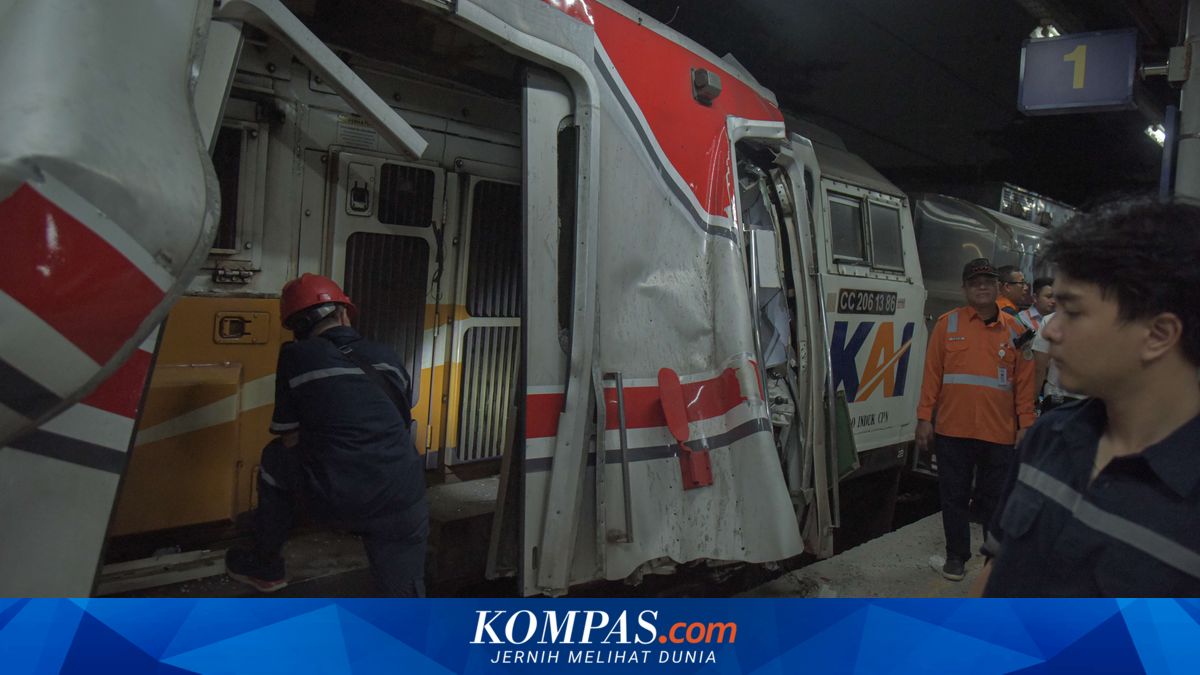
The night at the end of April, which should have been a time of rest for commuters, suddenly turned into profound sorrow. On Monday night (27/4/2026), a heartbreaking tragedy occurred at Bekasi Timur Station when the long-distance train KA Argo Bromo Anggrek collided with a stationary KRL Commuter Line train. This incident, which triggered a chain of impacts, happened so quickly, leaving severe physical damage to the train carriages and extraordinary panic. For passengers preparing to alight and return to the embrace of their families, that moment instantly turned into a heavy struggle to save themselves amid an unexpected situation. We extend our deepest condolences and sympathy to the families of the seven deceased victims, as well as to the dozens of other passengers who are now lying weakly in various hospitals receiving intensive care. This tragedy at Bekasi Timur is not merely a transportation incident or mere statistics in the morning news, but a real loss of fathers, mothers, children, or friends to someone out there. However, beyond the on-site evacuation process, there is one dynamic that warrants our collective reflection when such disasters occur. As quickly as the tragedy was recorded, social media timelines and conversation groups were immediately flooded with photos and videos from the scene. On one hand, the torrent of information does help us learn the latest conditions, such as route diversions. Unfortunately, visuals shared often overlook empathy boundaries—displaying victims’ conditions openly without censorship. It is at this point that our sympathy is tested. True care should guide us to distinguish between information that is truly beneficial to the public and visuals that instead exploit suffering and potentially trigger new trauma for victims’ families if they see them. Therefore, amid today’s technological ease, practising self-censorship becomes a crucial attitude. Self-censorship is a form of maturity in digital media engagement; a conscious decision to restrain one’s thumb from forwarding explicit photos or videos that harm the victims’ dignity. If we truly intend to provide news or warnings, we can choose to share text-based information only or blur sensitive parts.