
Reflecting on Eid and Minimalist Homecoming
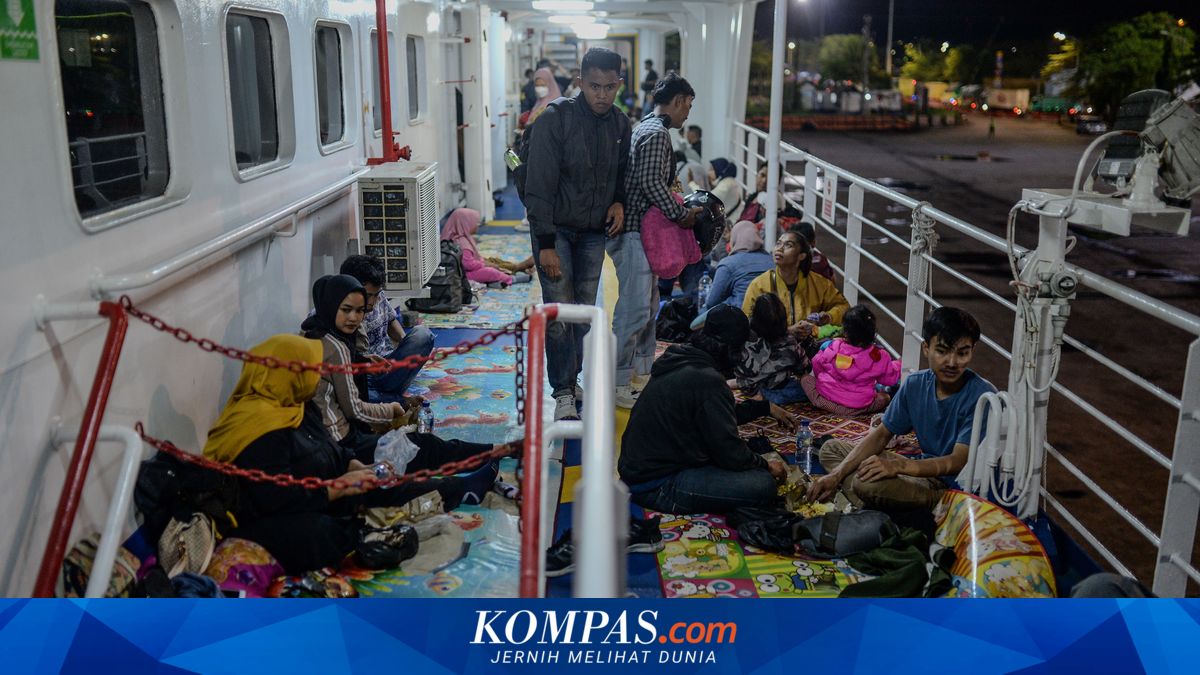
Under the scorching sky, millions of Indonesians move in a primordial rhythm known as mudik. However, this year’s Eid is somewhat different from previous years and is more aptly described as a minimalist Eid and mudik. On one hand, there is a record volume of vehicles on the roads. On the other hand, the coffers of the tourism and retail industries do not swell accordingly due to the extreme selectivity in spending by homecomers. This erosion of purchasing power is confirmed by a national survey released by Kompas Research and Development at the beginning of the year, which provides early signals of a fundamental shift in Indonesian society’s consumption behaviour. It is recorded that only about 23.3 percent of citizens stated plans to mudik, a decrease from the 25.7 percent figure in the previous year. Although the Ministry of Transportation predicts that the absolute volume of homecomers remains massive at 143.9 million people, encompassing 50.6 percent of the total population, this figure actually shows a decline of around 6.9 percent when compared to the 2025 realisation that reached 154.9 million people. This decline is the first alarm for economic policymakers that there is a segment of society beginning to surrender to the high travel costs due to increasingly heavy financial pressures. The pattern of high mobility amid this decline in intention shows that mudik has shifted from merely a lifestyle choice to a socially imposed necessity amid budget constraints. The Central Statistics Agency (BPS) reports that annual inflation as of February 2026 has crept to 4.76 percent, with pressure notably prominent in the transportation and food sectors. This inflation figure represents the prices of rice, chillies, and cooking oil that are eroding the wallets of the lower strata of society. On the other hand, society must face the policy of adjusting non-subsidised Fuel Oil (BBM) prices from 1 March 2026, carried out simultaneously by energy operators in line with the surge in world oil prices averaging 92 US dollars per barrel. The price of Pertamax in Java rose to Rp 12,300 per litre, while Dexlite reached Rp 14,200 per litre. This increase creates a domino effect on logistics costs, which ultimately burdens the prices of basic necessities on people’s dining tables. This condition is exacerbated by the increasingly worrying phenomenon of eating into savings or dissaving at the grassroots level. Data from the Deposit Insurance Corporation (LPS) reveals the bitter fact that savings with amounts below Rp 1 million only grew by a thin 0.72 percent annually. This very low level indicates that the lowest layers of society have drained their future reserves to meet today’s needs. The inequality becomes even clearer when looking at the savings of the wealthy with balances above Rp 5 billion, which instead surged by 22.76 percent. This reality creates a wide consumption chasm; where the lower and middle classes are squeezed between real wages that contracted in 2025 and living costs that continue to soar. The decline in purchasing power is confirmed by the drop in Value Added Tax (PPN) and Income Tax (PPh). This condition also causes the upper middle class to experience a doubling of credit card Non-Performing Loan (NPL) to 1.75 percent, a signal that economic pressure is starting to reach higher social strata.