
Reduce Burden on Bantargebang Landfill: 153 Markets in Jakarta Required to Sort Waste
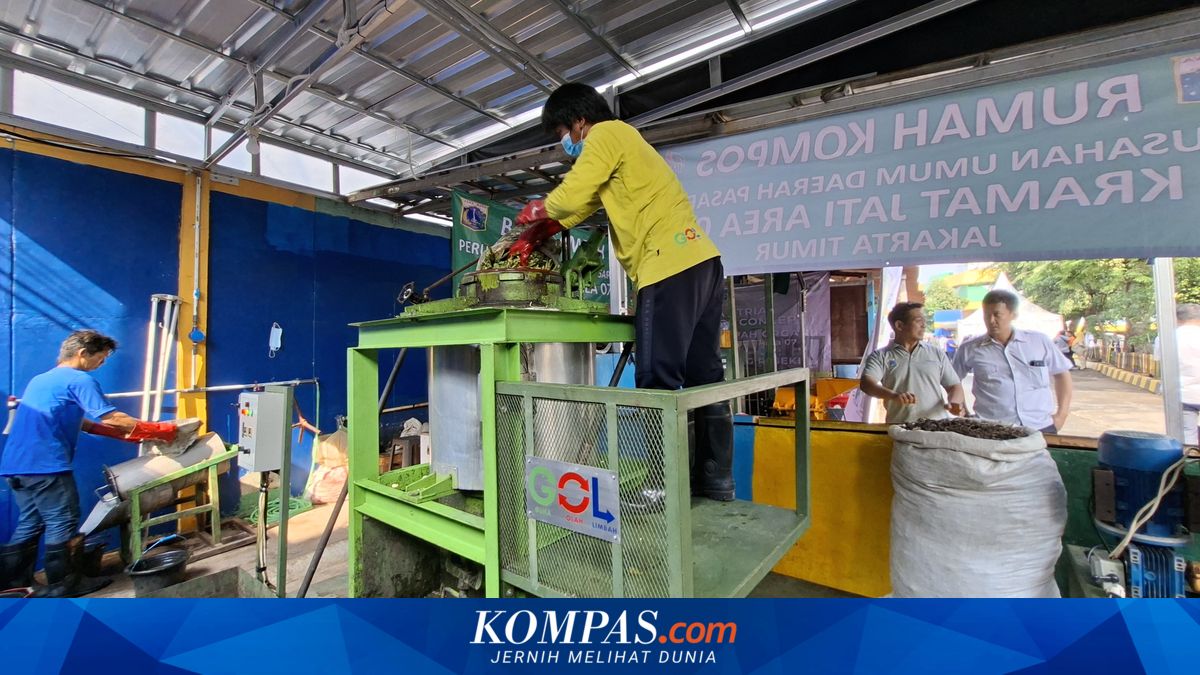
The Jakarta Provincial Government (Pemprov DKI Jakarta) is implementing a massive policy of sorting organic and inorganic waste in 153 markets managed by Perumda Pasar Jaya. This step is aimed at significantly reducing the volume of waste that daily burdens the Integrated Waste Processing Site (TPST) Bantargebang. Jakarta Governor Pramono Anung stated that hundreds of markets in Jakarta have long been one of the largest sectors contributing to daily waste volume. Pemprov DKI is collaborating with private parties and Pupuk Indonesia to manage the sorted waste so that it can be utilised. This includes processing organic waste into fertiliser to enrich parks in Jakarta. “As we know, at this place (Kramat Jati Market), approximately 5 tonnes per day, later in collaboration with private companies to produce output that will benefit landscaping and others,” Pramono explained. In the waste processing at Kramat Jati Market, there is a machine that can be used to convert organic waste into fertiliser, from liquid fertiliser to organic compost. This waste sorting policy is ensured not to apply only to markets under Pasar Jaya. Rather, around 100 private markets in Jakarta have also been instructed to start sorting waste independently from today. Later, after successful implementation in all markets, this mandatory waste sorting regulation will also be applied to the commercial sector such as hotels, restaurants, and cafes. “Not only for market actors, later in Horeka, namely hotels, restaurants, and cafes, we will treat them the same because their scale is also quite large, and in households of course,” he said. Meanwhile, regarding the implementation of the policy in the household sector, Pramono promised that his side will soon meet the needs of supporting facilities and infrastructure needed while the waste sorting implementation runs. This includes the need for bins that have been separated by type, to waste carts that can accommodate organic and non-organic waste separately. “I have instructed the Mayors, Sub-district Heads, Village Heads, Neighbourhood Associations, and Community Associations. Gradually, of course, the facilities and infrastructure will also be prepared by us. But the most important thing is that this must be sustainable, it must not stop, because this is what will change the face of Jakarta in relation to waste,” he said.