
Recycling Industry Emphasises Readiness to Strengthen National Plastic Raw Materials
Jakarta (ANTARA) - The Indonesian Plastic Recycling Association (ADUPI) emphasises its readiness to strengthen national plastic raw materials amid global geopolitical pressures that are triggering price increases and supply disruption risks.
ADUPI Executive Director Hadiyan Fariz stated in a written release received in Jakarta on Friday that the recycling industry has become an important part of the national plastic raw material supply system.
According to him, in conditions of high import dependency, the presence of recycled materials is seen as capable of providing a more stable support because it is based on domestic resources.
“The plastic recycling industry has played a real role in supporting national raw material needs,” he said.
He explained that currently around 70 percent of national naphtha needs still come from imports, while finished plastic raw materials in the form of virgin resin also remain dependent on imports by 40-50 percent.
This situation makes the domestic market vulnerable to global price fluctuations and geopolitical dynamics, including in the Strait of Hormuz region.
On the other hand, the recycling industry has contributed 20 percent to the total national plastic raw material supply. And, according to him, this figure shows that its role is no longer merely complementary but has become one of the important pillars in maintaining the sustainability of the industry.
In addition to supporting supplies, the industry is also seen as capable of maintaining price stability at the downstream level by providing more controlled alternative raw materials.
He said the recycling industry has the potential to suppress production cost increases that could impact consumer product prices, including food packaging and daily necessities.
According to Hadiyan, strengthening the recycling industry is also relevant in maintaining people’s purchasing power because it can dampen cost-push inflation.
Moreover, the sector supports the sustainability of MSMEs and forms part of the people’s economy with an economic contribution of around USD 9.2 billion and significant labour absorption.
In terms of capacity, the recycling industry still has ample room for development. Currently, there are 749 companies with an installed capacity of around 3.16 million tonnes per year, but the utilisation rate is only 48 percent, indicating significant opportunities to increase its contribution to domestic supplies.
Looking ahead, he said strengthening the recycling industry will focus on improving the quality and quantity of domestic raw materials, optimising capacity utilisation, and strengthening the industrial ecosystem to make it more competitive and sustainable.
Hadiyan also emphasised that the current global uncertainty presents an opportunity to strengthen the role of the recycling industry as a strategic pillar in the resilience of plastic raw materials, while supporting waste management targets and the transition to a circular economy in Indonesia.
Industry Minister Agus Gumiwang Kartasasmita emphasised that the domestic upstream-downstream plastic industry provides assurance of stock availability for domestic needs amid disruptions in the raw material supply chain.
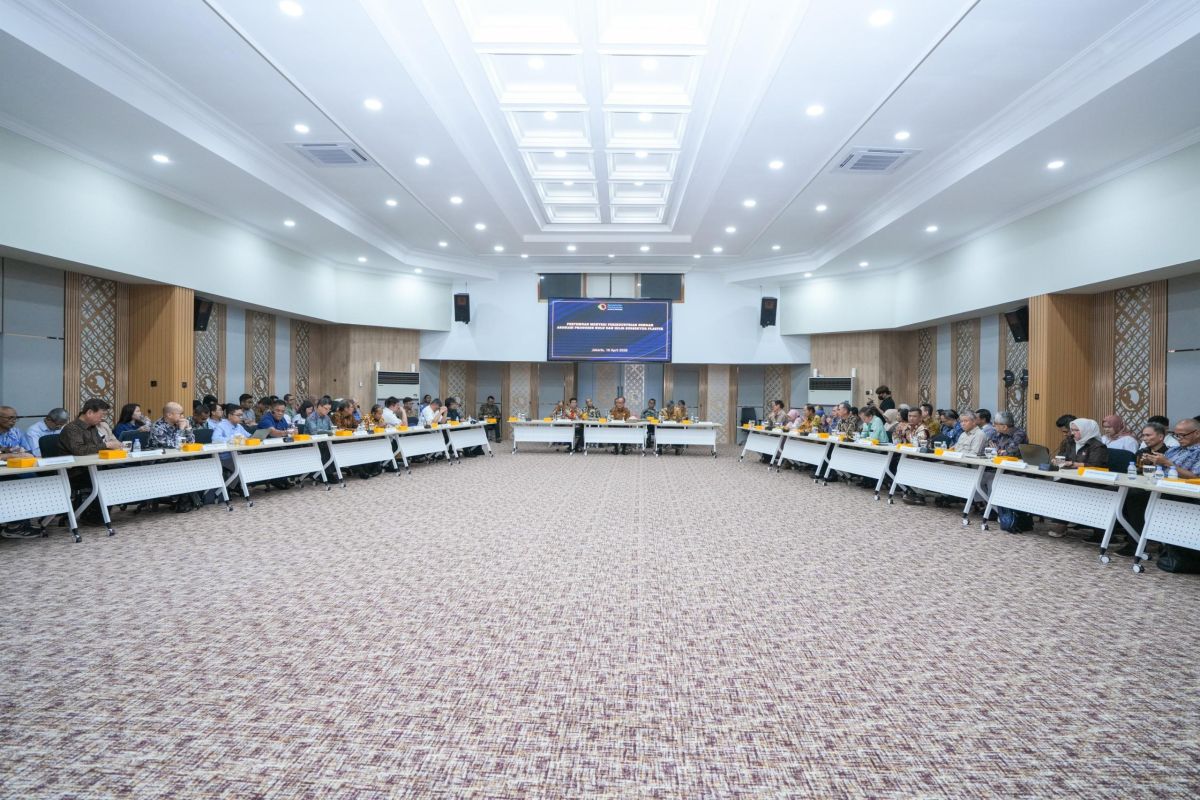
He said that from a meeting between the ministry and the upstream to downstream plastic industry held in Jakarta on Thursday (16/4), optimism emerged regarding the availability of plastic stocks domestically.
“We received assurances from the industry that plastic stocks should not be a problem. I underline the word ‘should’, because the government continues to monitor global developments closely that impact production and stocks in this subsector,” Agus said in a confirmed statement.
Previously, the Industry Minister also emphasised that the government continues to strive for raw material diversification and to encourage recycling utilisation to maintain national plastic availability amid global geopolitical pressures.