
Recurring Violence: Deputy Minister of Human Rights Supports Body Cameras for Police Officers
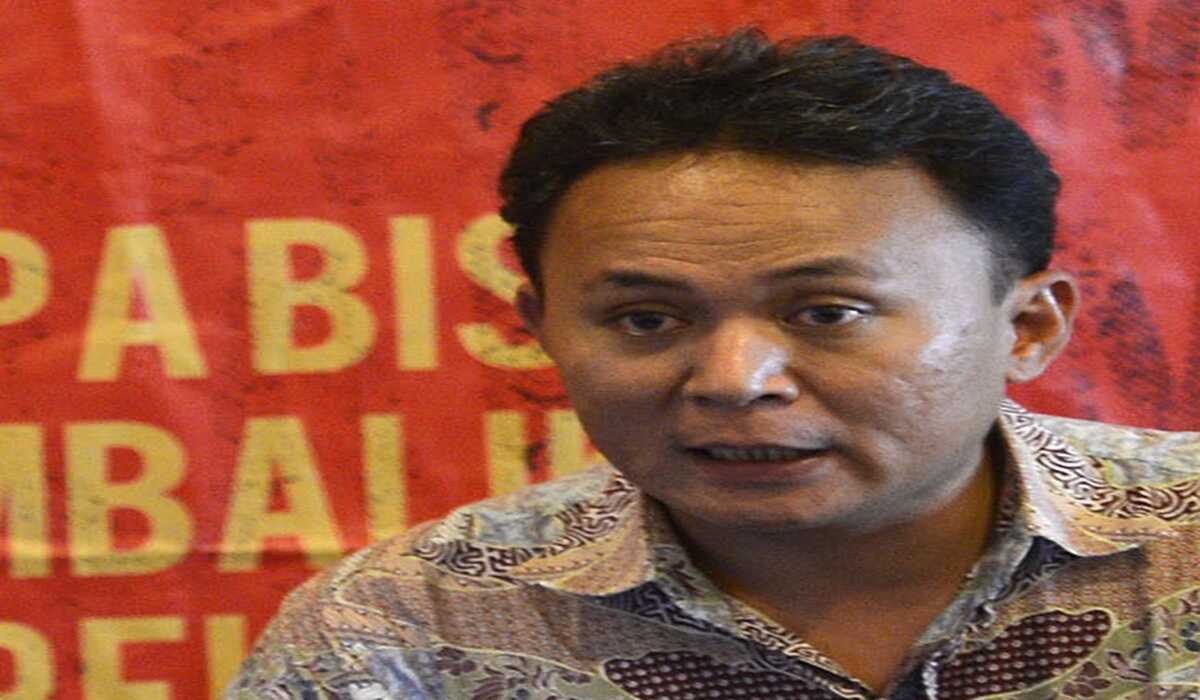
Deputy Minister of Human Rights, Mugiyanto, supports the use of body cameras for members of the Indonesian National Police (Polri). This is part of the oversight following the increasing number of cases of violence by police officers.
He stressed the need for cultural and structural reforms within Polri.
“Police violence occurs repeatedly. We always shout, police, please reform. The Indonesian police are a civilian police force, and their attitude must also be more humane,” he said in Menteng, Central Jakarta, on Wednesday (25/2) evening.
The Ministry of Human Rights, he said, has signed a memorandum of understanding with the Police to strengthen the human rights perspective among members of the Bhayangkara Corps.
“We have initiated the formation of a joint team between the Ministry of Human Rights and Polri Headquarters to conduct human rights training and review internal regulations,” he explained.
These steps include evaluating Standard Operating Procedures (SOPs), preparing human rights-based investigation guidelines, and strengthening the police education curriculum.
He also encourages the implementation of investigative interviewing methods, an international standard that emphasizes non-violent interrogation techniques.
“How to interrogate without violence, there are techniques for that. This can be adopted,” he said.
In addition, Mugiyanto emphasized that serious violations involving police officers should not only be resolved through internal ethical procedures.
“If the actions violate criminal law, then they must be processed criminally. And the process must be transparent so that the public knows,” he said.
Furthermore, Mugiyanto supports the use of body cameras for police officers on duty as part of oversight.
“All efforts towards good governance that respects human rights must be carried out, as long as they do not conflict with human rights principles,” he concluded. (H-4)
In the initial draft, this obligation will target large-scale companies, namely those with a minimum of 2,000 employees.
The preparation of the Presidential Regulation is carried out in a cross-sectoral manner, involving a number of related ministries and agencies, especially the Coordinating Ministry for Economic Affairs.
CSIS researcher Nicky Fahrizal said that the culture of violence in Polri stems from a military-style education curriculum. A total deconstruction is needed at the Police Training Centers (SPN) and the meritocracy system.
Indonesia Corruption Watch criticized the Corruption Eradication Commission (KPK) for referring the report of alleged extortion of 43 Polri members to the Deputy for Supervision.
The provisions of the KPK Law, which are considered to open up opportunities for active TNI and Polri members to serve as leaders of the KPK, were challenged in the Constitutional Court because they were considered ambiguous.
Usman Hamid said that the case of Brimob violence in Tual reflected the weak accountability and supervision within Polri.
Polri admitted to weaknesses and promised to evaluate the role of Brimob in civilian security after pressure from YLBHI. This followed the case of Bripda MS who killed a student in Tual.