
Recognising the Symptoms of Measles
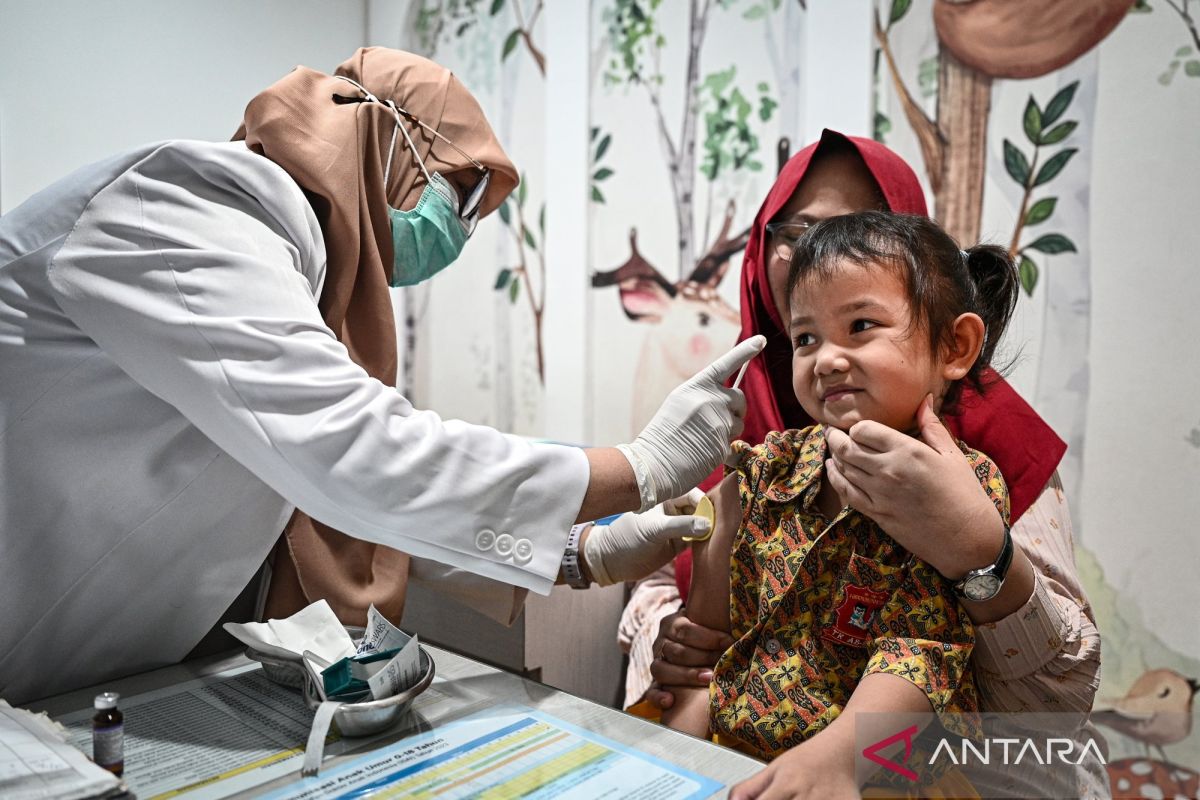
Jakarta - Dr. Regina Satya Wiraharja, M.Sc., a lecturer in the Department of Family Medicine Primary Care at Atma Jaya Catholic University, has explained that measles is caused by an RNA virus from the Paramyxoviridae family.
The Gadjah Mada University-trained physician stated that the measles virus is transmitted through respiratory droplets expelled by infected individuals when breathing, coughing or sneezing. Once it enters the body, the virus replicates and spreads through the lymphatic system, spleen, liver and respiratory tract.
The incubation period for measles is typically eight to 14 days, after which symptoms emerge in stages. In the initial stage, lasting two to seven days, patients typically develop high fever, weakness, nasal congestion, cough, and red eyes sensitive to light. In some cases, characteristic spots (Koplik spots) may appear inside the cheeks.
The rash stage typically emerges on days four to 14. The red rash first appears on the ears or face before spreading across the body over six to seven days, often accompanied by high fever. During the recovery stage, fever usually subsides within three to four days, the rash turns brownish and gradually fades within seven to 10 days.
Dr. Wiraharja stressed that anyone experiencing measles symptoms should immediately seek medical attention and limit contact with others to prevent further transmission. However, measles can lead to serious complications including pneumonia, diarrhoea, dehydration, middle ear infection and brain inflammation.
The risk of complications is higher among infants, immunocompromised individuals, malnourished persons, and those with vitamin A deficiency. In pregnant women, measles infection increases the risk of miscarriage, premature birth and low birth weight.
Dr. Wiraharja noted that measles cases continue to be reported in Indonesia. In 2025, 11,094 confirmed cases and 69 deaths were recorded. By week seven of 2026, 572 cases and four deaths had already been documented.
She emphasised the importance of prevention measures, particularly during holiday periods when social interaction increases. “Measles or MMR vaccination is the most effective way to prevent this disease,” she said.
Measles vaccination is recommended three times for children: at nine months of age, two years, and five to six years. Beyond vaccination, maintaining good hygiene and healthy lifestyle practices is essential. This includes regular hand washing, practising proper cough and sneeze etiquette, wearing masks when experiencing respiratory symptoms, consuming nutritious food, and exercising regularly.