
Reassessing Indonesia's Involvement in UN Peacekeeping Forces (Part II)
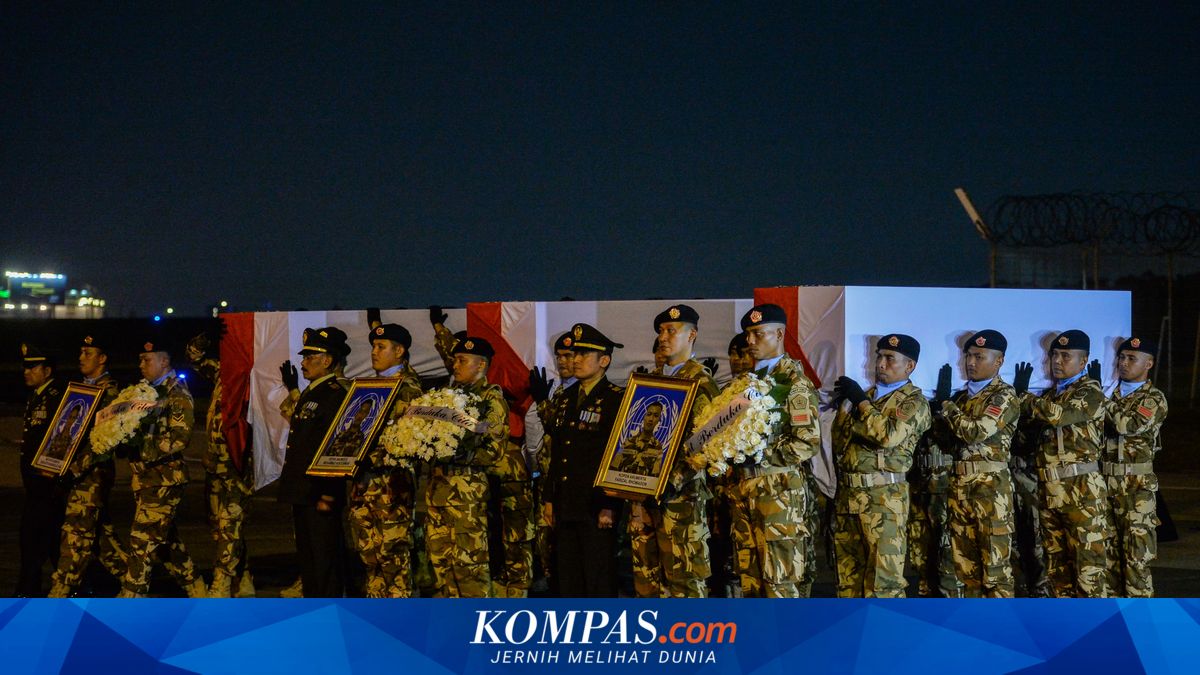
Analysts from various international policy research institutions, spanning a wide spectrum from conservative to liberal, have now reached a broadly similar conclusion about the United Nations Interim Force in Lebanon (UNIFIL). This mission suffers from a chronic mismatch between its stated mandate, the size of its forces, and its modus operandi on the ground. It lacks sufficient deterrence capability to make conflicting parties think twice before launching attacks. It does not have the authority to enforce its mandate proactively and operates in an active conflict zone with rules of engagement more suited to stable post-conflict situations. This paradox means that UNIFIL’s presence is not a solution but rather a form of diplomatic wallpaper that covers up the fact that the international community has no real solution for a conflict whose roots are far deeper than what 10,000 blue-helmeted troops can address. Peacekeeping missions in this context function as a substitution mechanism, something done when no one wants to do what is actually necessary. And as long as this substitution mechanism remains available, the pressure to seek a genuine solution will continue to diminish. The cost of this chronic failure is not measured merely in budget figures. More than that, it is measured in human lives that are continually put at risk under a mandate that is not strong enough to protect them. Soldiers from Indonesia, India, Italy, Nepal, Malaysia, and dozens of other countries travel to Lebanon with pride and sincere dedication, but they travel into a system that is flawed from its very design. Placing people in real danger with inadequate institutional protection is a form of failure that must not be normalised simply because it is packaged in lofty language about world peace and international solidarity. Every time an incident occurs and peacekeeping forces become victims, the same cycle repeats: the UN condemns, opens an investigation, expresses condolences, and changes nothing fundamental. This is not just bureaucratic inefficiency; it is a moral failure that is prolonged every year when the Security Council renews UNIFIL’s mandate without demanding real structural changes. Reform can no longer be postponed because the cost of delay has proven too great to be considered an acceptable risk.