
Reasons Why Iran Did Not Establish Oil Refinery Cooperation with Indonesia Despite Abundant Natural Resources
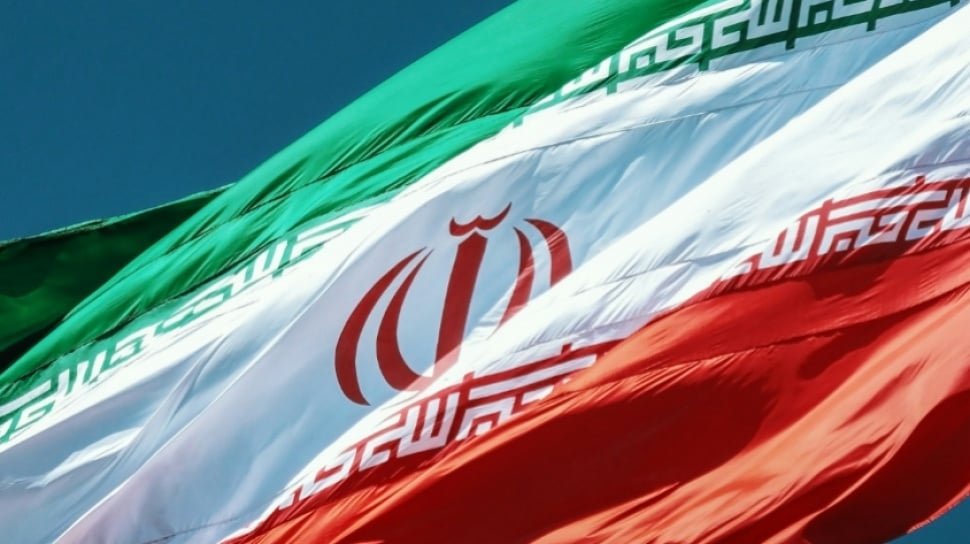
Geopolitical tensions in the Middle East region have once again come under sharp international scrutiny in recent times. Iran is suddenly facing a massive military onslaught from the US-Israel coalition over allegations of possessing nuclear weapons, which to date have been deemed increasingly unproven.
The armed conflict between the Iran-Israel-US axis has actually erupted dramatically since June 2025.
The trigger was Israel’s airstrike targeting Iran’s nuclear development facilities, immediately met with an open declaration of war by Tehran.
The active US military involvement, supplying heavy weaponry in the form of bunker-busting bombs, has further muddied the waters, sparking prolonged military tensions into 2026, laced with threats of ground troop deployments and global sanctions.
Beyond the intensity of physical battles and military propaganda warfare between Iran and the US-Israel coalition, the energy-rich nation actually has a very long historical thread regarding plans for energy sector investments in Indonesia.
Unfortunately, despite Iran repeatedly offering various downstream project proposals deemed highly beneficial for fulfilling national energy security, the Indonesian government since 2014 has appeared to provide no serious follow-up.
Iran: Land of Cheap Fuel
Globally, Iran is recognised as one of the countries with the cheapest fuel prices on the planet.
As comparative data, up to the March 2026 period alone, retail fuel prices there were reported to remain stable at Rp450 to Rp500 per litre.
This extremely low figure for a modern nation is made possible by the abundance of massive hydrocarbon reserves, massive state budget energy subsidies, and the devaluation of the rial currency.
This situation is in stark contrast to the energy commodity pricing structure in Indonesia. As the main comparison, the cheapest subsidised fuel price set by the government is Pertalite at Rp10,000 per litre.
This gaping price chasm is the logical reason why processing energy supplies from Iran was once projected to be highly economical for the Indonesian public.
Failure of the 2007 and 2014 Strategic Projects
Looking back at history, the track record of oil and gas cooperation overtures between Jakarta and Tehran actually dates back a long time. In 2007, during the leadership of Indonesia’s 6th President Susilo Bambang Yudhoyono alongside former Iranian President Mahmoud Ahmadinejad, plans for a mega oil refining project were seriously rolled out.
Through its state-owned oil and gas subsidiary, the National Iranian Oil Refining and Distribution Company (NIORDC), Iran planned to invest in building a fuel processing facility with a capacity of 300,000 barrels per day, with a project value of US$6 billion.