
Reasons Why Electric Vehicle Tyres Can Be Much More Expensive, Not Just the Label
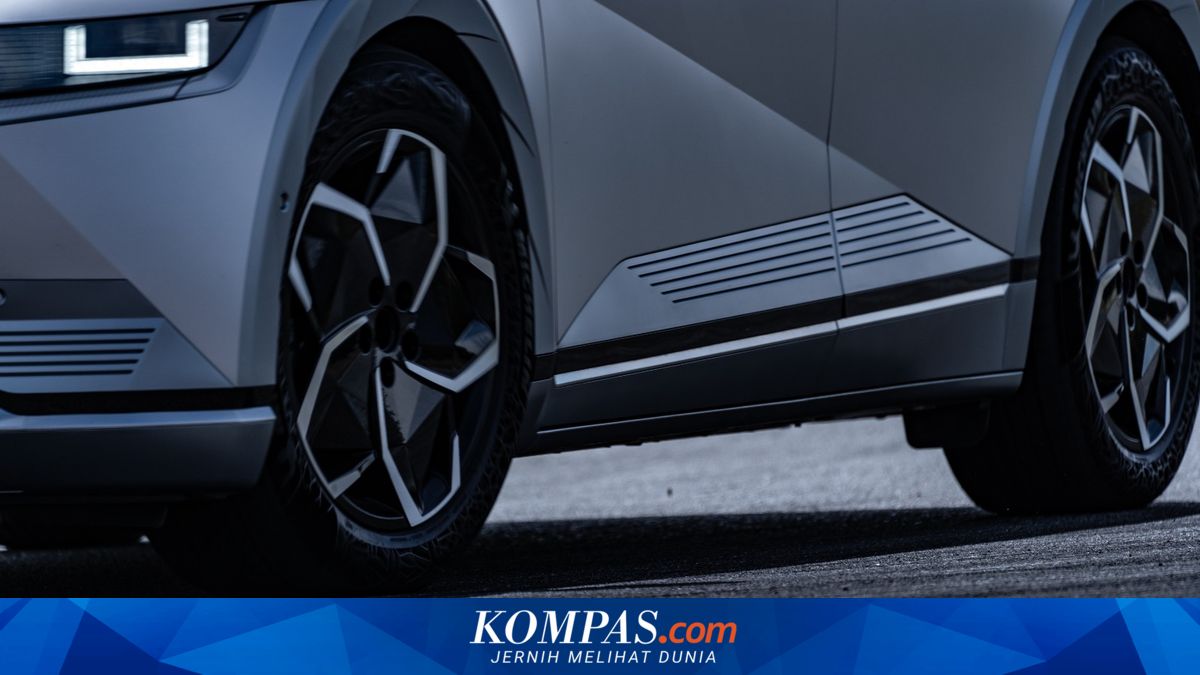
JAKARTA - The price of tyres for electric vehicles (EVs) often draws attention because they are considered more expensive than those for conventional cars. However, at first glance, their size and shape do not differ much.
Yet, when compared within the same brand, the price difference becomes clearer and shows quite significant technological differences.
According to Fachrul Rozi, Product Marketing Manager at Michelin Indonesia, tyres for electric vehicles are indeed designed with different needs compared to ordinary cars.
If viewed within the same brand, the price difference is quite noticeable. For example, in Michelin’s lineup, EV-specific tyres like the Pilot Sport EV range from Rp6 million to Rp9 million per tyre, depending on the size.
Meanwhile, conventional tyres like the Primacy 4 from the same brand are generally sold for around Rp1 million to Rp2 million per tyre. This difference reflects variations in construction and embedded technology.
A similar situation occurs with the Bridgestone brand. Conventional tyres like Turanza for daily use are in the range of Rp1 million.
However, for tyres with higher specifications that approach the needs of electric vehicles, such as having a large load index and stronger construction, the price can increase significantly, even if not specifically labelled as EV tyres.
Fachrul added that, besides structural strength, comfort is also a focus in developing EV tyres.
“Because electric cars are quieter, tyre noise becomes more noticeable, which is why there is technology like acoustic foam to dampen noise,” he said.
The characteristics of electric vehicles, which have instant torque and heavier weight, also make the tyres work harder.
This condition causes tyres to wear out faster compared to ordinary cars, so manufacturers must use more complex materials and designs to ensure they remain durable and safe.
Nevertheless, the use of non-EV tyres is still possible as long as the specifications match. Fachrul reminded consumers to pay attention to the load index and not lower than the manufacturer’s standard.
“It’s fine to use regular tyres, but make sure the load index is the same or higher than the vehicle’s original tyres,” said Fachrul.