
Reasons Behind Rupiah's Fall to Rp 17,000 per US Dollar
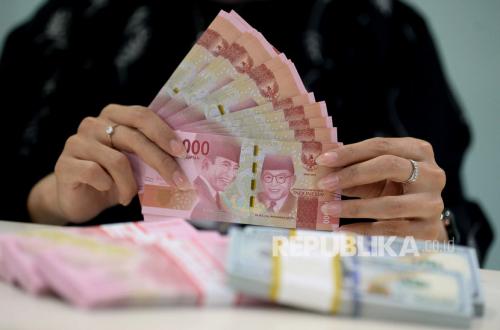
The rupiah exchange rate experienced a correction, breaching the Rp 17,000 per US dollar level. The weakening of the rupiah occurred as markets grew wary of the potential escalation of war tensions in the Middle East, following the Houthi group’s decision to join Iran in supporting actions against the US and Israel.
Citing Bloomberg, the rupiah weakened by 22 points or 0.13 percent to Rp 17,002 per US dollar at the close of trading on Monday (30/3/2026). In the previous session, the Garuda currency stood at Rp 16,979 per US dollar.
“The market remains cautious about the potential escalation of the Iran war after the Iran-backed Houthi group based in Yemen attacked Israel over the weekend. The Houthi group could open a new front in the war, given their capability to launch attacks in the Red Sea,” said Currency and Commodities Analyst Ibrahim Assuaibi in his statement on Monday (30/3/2026).
Ibrahim explained that Iran has indicated readiness to face a US ground invasion, particularly after weekend reports showed Washington deploying thousands of troops to the Middle East.
US President Donald Trump told reporters that negotiations with Iran are progressing well and an agreement may be reached soon. However, he did not specify a clear deadline, while also warning of further attacks on Tehran.
“Trump last week extended the deadline for strikes on Iran’s energy infrastructure until early April. Iran has largely rejected the idea of direct talks with the US since the war began at the end of February,” he clarified.
Ibrahim continued that the US economic conditions and expectations of interest rate policies from the US central bank, the Federal Reserve, are also contributing to external sentiments driving the rupiah’s weakening.
In terms of economic data, the University of Michigan revealed that American households are becoming pessimistic about the economic situation. Consumer sentiment in March fell from 55.5 to 53.3, below the expected 54. Expectations for inflation over the next 12 months jumped from 3.4 percent in February to 3.8 percent, while the five-year figure remained unchanged at 3.2 percent.
“The market currently anticipates the Federal Reserve’s next move to be an interest rate hike, given the high energy price scenario. According to the CME FedWatch Tool, the market expects no rate cuts this year and is betting on a 50 percent chance of a rate hike by the end of 2026, compared to projections of two rate cuts before the US-Iran war began,” he explained.