
Rearing 40 Cows in a Home Garage, Cilincing Resident in North Jakarta Can Pocket Turnover of Rp 2 Billion
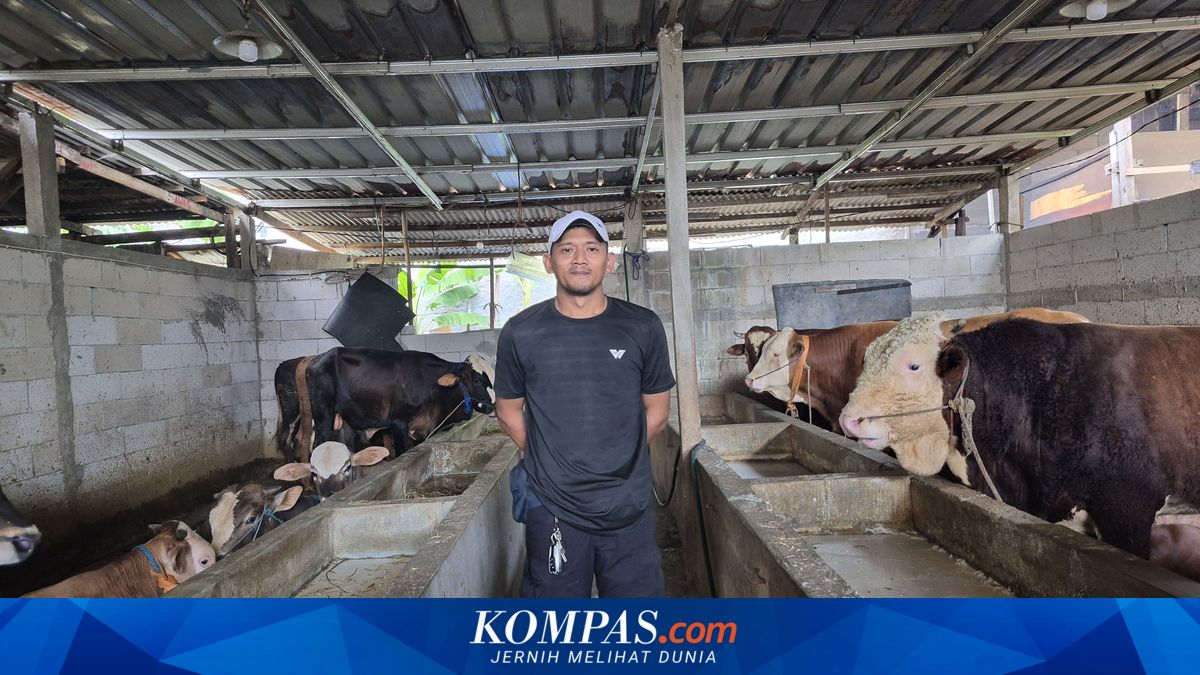
In the midst of the dense settlements of Cilincing, North Jakarta, a home garage has been converted into a farm containing dozens of jumbo-sized cows. In that limited space, a farmer named Anton (38) has developed the ‘Rumah Sapi Jakarta’ business, which can generate turnovers worth billions of rupiah each year, especially ahead of Eid al-Adha. The farm accommodates around 40 cows in an area typically used for vehicle parking. There is no backdrop of rice fields or plantations like in typical rural farms. Anton has turned the garage beside his house into a cow pen. The large cows seem hidden behind the yellow iron gate of the garage. He has also created permanent feeding and drinking areas from cement in the middle of the garage for his livestock. In that limited space, Anton’s farming business continues to grow every day and produces significant profits. “As for turnover, we can’t say per month because our care is seasonal. We mostly see it around Eid al-Adha,” he said when interviewed by Kompas.com at the location on Wednesday (22/4/2026). Every Eid al-Adha, his farm can sell at least 70 cows because he has many regular customers. The most popular type of cow is Limousin because of its plump and sturdy posture, making it suitable for sacrifice. This year, Anton also has stock of Limousin cows with the largest weight around one tonne. That cow is priced at around Rp 80 million, the same as the previous year. Besides Limousin, Anton also sells local Javanese-type cows at around Rp 20 million, making them more affordable for people with limited budgets. It is no wonder that Anton’s turnover in the last two years has reached billions of rupiah. “Last year it exceeded Rp 2 billion in turnover, but that’s turnover, not profit,” Anton explained. His profits reach hundreds of millions of rupiah per year, although he is reluctant to mention the exact figure. That income is considered sufficient to support his family as well as buy a decent house for his wife and children. “As for me, the manure waste is always bagged, and every three days we dispose of it to the landfill there,” Anton said.