
Reading the Sumatra Blackout Through the Lens of Energy Justice and Human Rights
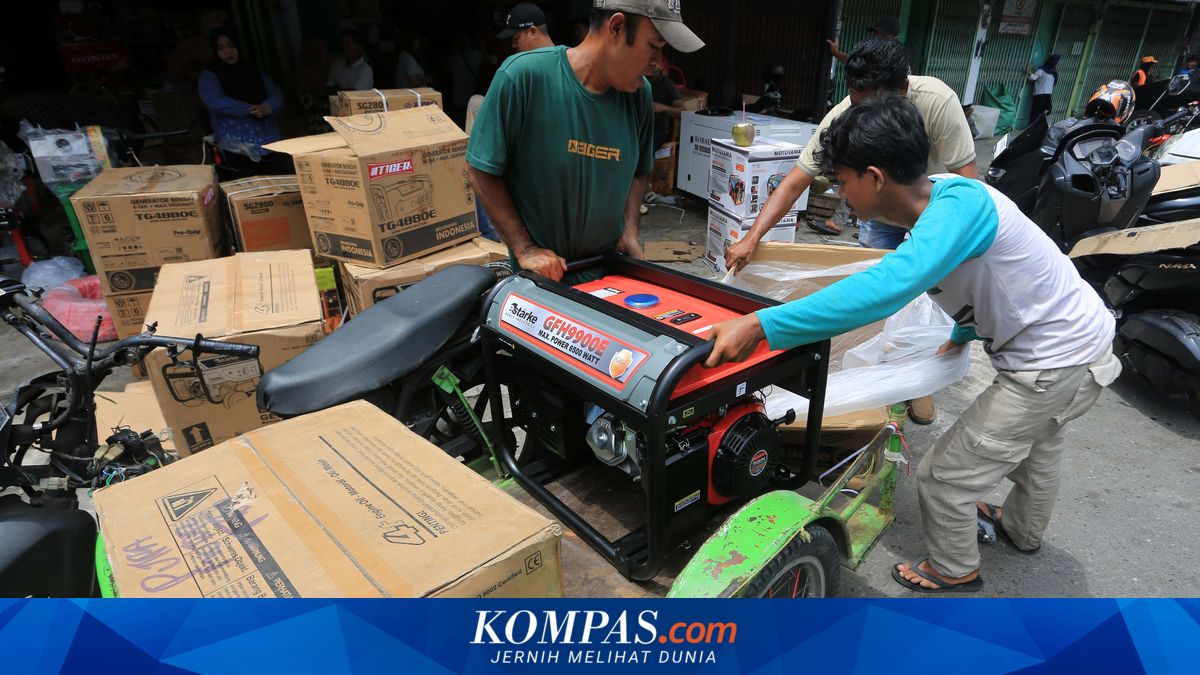
The recent widespread power blackout in Sumatra must be viewed within a broader framework than merely a technical fault. In a rule-of-law state that upholds human rights, large-scale electricity supply failures should be interpreted as a breach of citizens’ access to essential public services. The key questions are not only ‘why did the power go out?’ but also ‘who is most affected? How should the state take responsibility? And what form of fair recovery is due to impacted communities?’ From a public law perspective, electricity supply cannot be viewed as a standard business relationship between service provider and consumer. Therefore, its provision must adhere to principles of reliability, accountability, transparency, non-discrimination, and protection for affected citizens. This aligns with Article 33(2) of the 1945 Constitution of the Republic of Indonesia, which states: ‘Sectors of production vital to the nation and controlling the livelihood of the masses shall be controlled by the state.’ In implementing this article, the state entrusts electricity sector management to a state-owned enterprise, namely PT PLN. As a state-owned enterprise (BUMN), PLN is not merely a corporate service provider but a state instrument for fulfilling constitutional mandates in the electricity sector. PLN’s dominant, often monopolistic position places it under a higher standard of accountability than ordinary businesses. As the public generally lacks alternative electricity providers, the relationship between PLN and citizens cannot be fully viewed as a private contractual one. Public reliance on a single primary electricity provider means large-scale supply disruptions are public issues. Furthermore, the Sumatra blackout must be examined through the lens of energy justice. Energy issues are not merely about access to electricity, but also its continuous, reliable, affordable, safe, non-discriminatory provision, and consideration for vulnerable groups.