
RDF Rorotan to Commence Full Operations; Jakarta Targets Three New Waste-to-Energy Plants
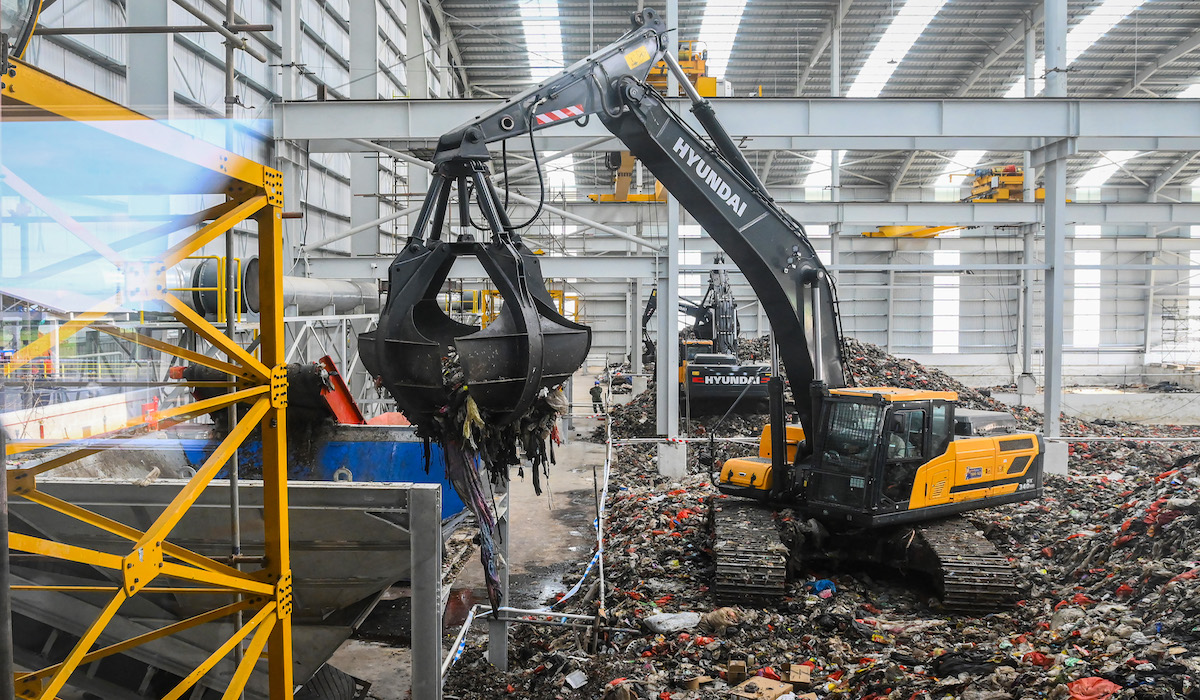
Jakarta Governor Pramono Anung Wibowo has confirmed that the Refuse Derived Fuel (RDF) facility at Rorotan in North Jakarta will commence full operations in the near future. However, in response to residents’ concerns regarding potential odour pollution, the DKI Provincial Government has decided to reduce the waste processing capacity at the facility.
Pramono stated that the RDF Rorotan facility is currently in the finalisation stage of operations. Whilst he did not specify an exact inauguration date, he emphasised that the facility is no longer merely in the commissioning phase but is ready for full operation.
“We will operate RDF Rorotan. Now it is in the finalisation stage for full operation, not just commissioning,” said Pramono when met in Central Jakarta on Tuesday (17 March).
Notably, Pramono acknowledged a strategic shift in the RDF Rorotan operations. Waste processing capacity has been limited to just 1,000 tonnes per day. This step was taken in response to concerns from residents around Rorotan regarding potential environmental damage, particularly the unpleasant odours generated from the waste-to-fuel conversion process.
“In accordance with input from Rorotan residents, the capacity is not as originally planned. There have been revisions to prevent odour and environmental impacts on surrounding residents,” he stated.
Beyond relying on RDF technology, Pramono is also preparing new legal instruments to compel changes in public behaviour. The DKI Provincial Government will soon issue a Gubernatorial Regulation (Pergub) requiring every household to segregate waste into four categories: organic waste (compost), recyclable waste (plastic and metals), hazardous waste, and residual waste.
“The regulation will be issued shortly so that it is binding. The public must begin the habit of segregating waste from home,” added Pramono.
As a long-term measure, the DKI Provincial Government, together with Danantara and the central government, is also finalising the construction of three Waste-to-Energy Power Plants (PLTSa), with one major site located at Bantargebang. This integrated approach is expected to extend the operational life of the increasingly critical TPST Bantargebang landfill. Jakarta currently sends approximately 8,000 tonnes of waste daily to the landfill, creating substantial environmental disaster risks.