
RDF Plant Deemed Appropriate for Tackling Jakarta's Waste, Residue Processed into Industrial Fuel
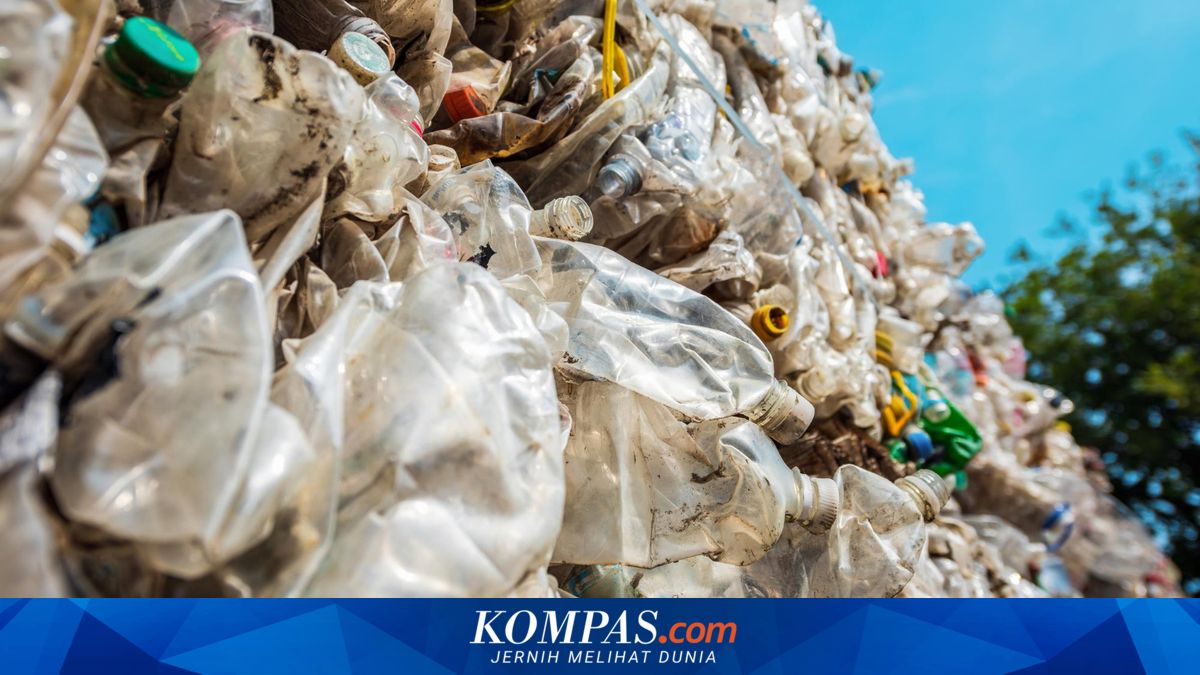
An environmental engineering expert from Institut Teknologi Bandung (ITB), Haryo S Tomo, considers waste processing using Refuse Derived Fuel (RDF) plants to be the right choice for addressing Jakarta’s waste issues.
According to him, RDF plants can process waste materials through a drying process, allowing the residue to be upscaled into RDF with calorific value for industrial use.
“At present, RDF plants are indeed the appropriate technology for tackling Jakarta’s waste, by processing waste materials into RDF,” Haryo told Kompas.com on Thursday (26/2/2026).
In the waste management hierarchy, Haryo explained that RDF plants sit between Temporary Waste Collection Points (TPS) and Final Processing Sites (TPA).
It serves as a complement to the waste processing system already designed by the DKI Jakarta Provincial Government.
Under this scheme, residue that would previously end up at the TPA can be processed first before being utilised as an alternative fuel.
Haryo outlined that the waste-to-RDF processing flow begins with collection from sources or households. The waste is then gathered at TPS or TPS Reduce-Reuse-Recycle (3R).
At the TPS3R, sorting is carried out, primarily by size, before being transported to the RDF plant.
“The waste from the TPS is transported by compactor trucks to the RDF plant for processing into RDF. Meanwhile, waste that cannot be processed at all is only taken to the TPA,” Haryo explained.
Upon arrival at the RDF plant, the transporting trucks immediately unload the waste into the bunker or processing room for further mechanical sorting. At this stage, waste is separated based on size and material weight.
After sorting, the waste enters the shredding process using a shredder to make the size smaller. Next, the material is dried in a rotary dryer equipped with a furnace fuelled by the RDF itself.
The heat generated is fed into the rotary dryer to reduce moisture content. Once dry, the material is moved to the baler area for packaging.
“RDF is packaged according to the needs of the offtaker, namely the cement industry, as a substitute for coal. There is already an offtaker for RDF products, namely PT Indocement Tunggal Prakarsa Tbk,” Haryo stated.