
Rational Threshold, Functional Parliament
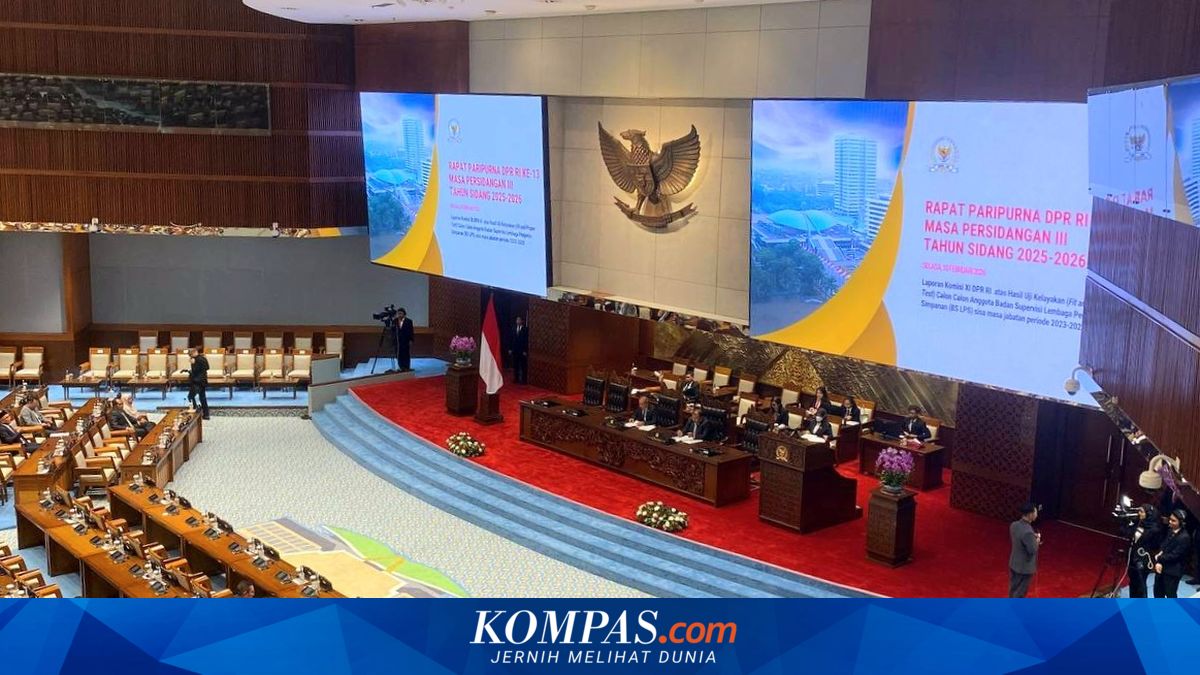
The debate on the parliamentary threshold has regained momentum in plans to amend the election law. Public discourse has tended to focus on numbers—whether 4 per cent is sufficient or needs to be raised. However, such an approach has yet to touch on the more fundamental issue: how to design a threshold that is not only constitutionally valid but also institutionally rational. Within the framework of the 1945 Constitution of the Republic of Indonesia, particularly Article 1(2) on popular sovereignty and Article 22E on general elections, the design of the electoral system is part of open legal policy. The state has room to determine the most suitable model as long as it continues to guarantee the principles of popular sovereignty and fair representation. It is in this context that the idea of shifting the threshold from a vote percentage basis to a seat basis becomes relevant. It offers a more operational approach, while also addressing the real institutional needs of parliament. Normatively, the current parliamentary threshold is regulated in Law No. 7 of 2017 on Elections, which sets 4 per cent of the national vote as the requirement for political parties to obtain seats in the DPR. However, developments in jurisprudence show that this figure is not absolute. In Constitutional Court Decision No. 116/PUU-XXI/2023, the Constitutional Court affirmed that determining the threshold must be based on rational considerations, proportional, and supported by adequate studies. Thus, the paradigm shift from vote percentage to number of seats is not a deviation, but part of constitutional evolution in electoral system design. The experience of elections over the past two decades shows that a vote percentage-based threshold has not fully resolved the issue of political fragmentation. Parliament remains filled with many parties with relatively small strengths, so the decision-making process is often stalled. This fragmentation is not merely a matter of the number of parties, but also concerns the effectiveness of the legislative body’s work. Many parties are formally present in parliament, but substantively lack sufficient capacity to contribute to the legislative process or oversight. In practice, this condition prolongs the political process, increases transaction costs, and has the potential to lower the quality of public policy. Thus, the problem faced is not only representation, but also functionality.