
Rare Mangrove Species in Balikpapan Bay Faces Extinction, Proboscis Monkey Habitat Threatened
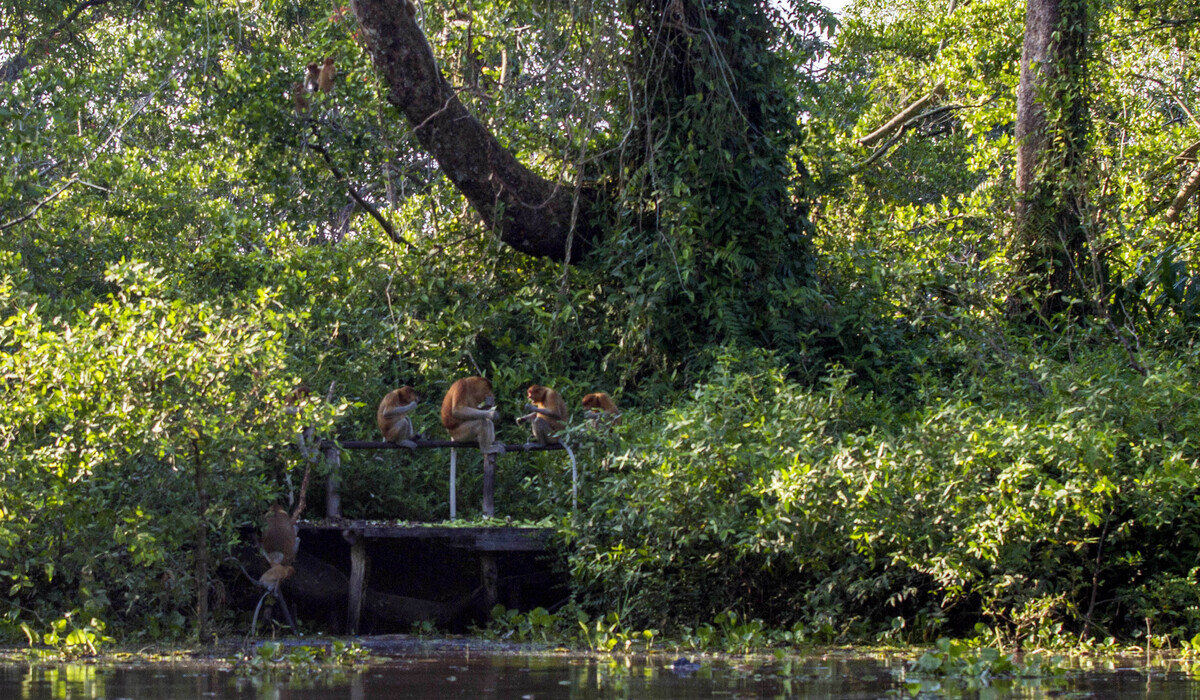
The rare mangrove species Camptostemon philippinensis in Balikpapan Bay is now critically endangered. Listed as endangered on the IUCN Red List, the species faces severe pressure from human activities and infrastructure development in the area. In Indonesia, this mangrove species is government-protected due to its extremely limited population, found only in specific locations across Kalimantan and Sulawesi. In Balikpapan Bay, the population is found along the coast of Pantai Lango Village and Kowangan Island, in Penajam Paser Utara Regency, East Kalimantan. Researchers analysing a 200-kilometre stretch of Balikpapan Bay’s mangroves found approximately 527 individuals of C. philippinensis in Pantai Lango. The research data indicates a population structure with the dominance of young saplings suggesting the species has good natural regeneration capabilities if its habitat remains intact. Istiana Prihatini, a researcher at BRIN’s Centre for Applied Botany Research, stated that the species is a key indicator of Balikpapan Bay’s biodiversity value. However, she warned of serious threats. Due to its highly localised habitat near residential areas, even minor ecosystem damage could trigger permanent local extinction. Beyond its botanical uniqueness, the mangrove plays a crucial ecological role for endemic fauna. Researchers found strong evidence that C. philippinensis is part of the habitat or food source for proboscis monkeys (Nasalis larvatus). Researchers discovered primate bite marks on the rare mangrove leaves. Local fishermen also confirmed frequent sightings of proboscis monkey groups near C. philippinensis growth areas. The species grows in the second mangrove zone with sandy, high-tide flooded soil. It coexists with other vegetation such as Rhizophora apiculata, Sonneratia alba, and Xylocarpus granatum. To prevent extinction, researchers recommend urgent conservation measures, including strict protection of remaining natural habitats, restoration of damaged mangrove areas, storage of genetic material (gene banks), and ex-situ conservation through controlled plant propagation techniques.