
Rare Dome-Headed Baby Dinosaur Fossil Found in Canada
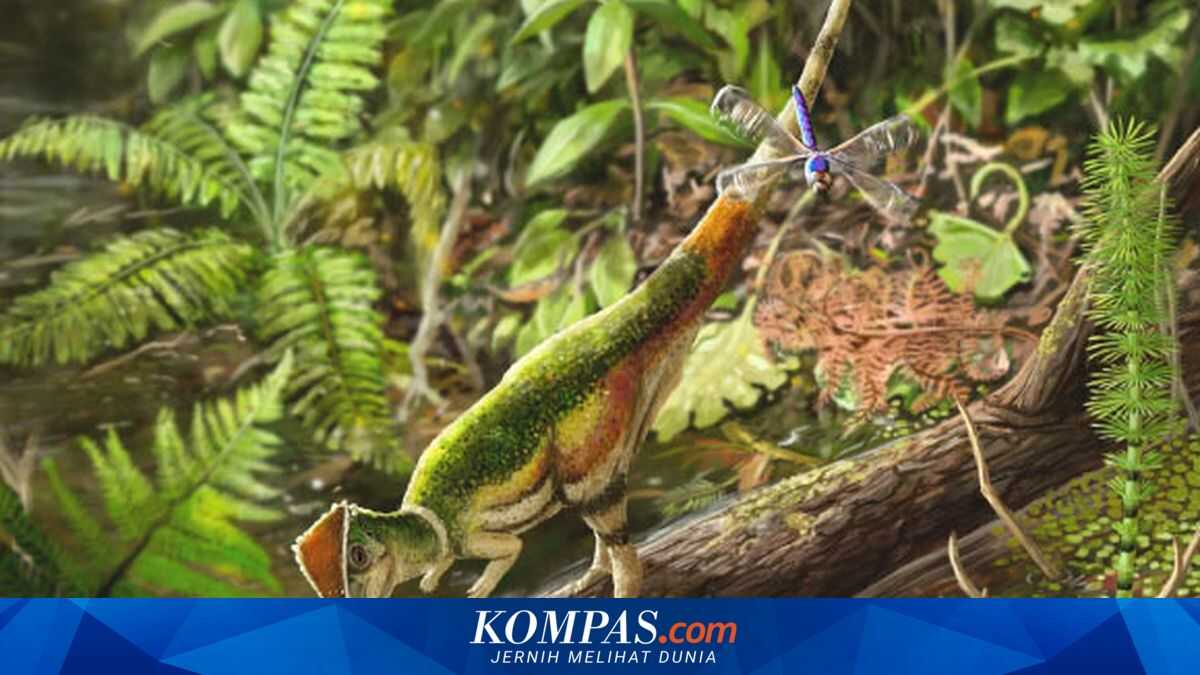
For decades, the palaeontological world has known dome-headed dinosaurs, or Pachycephalosauria, mainly from skull fossils. The rest of the body—especially in juveniles—has rarely been found. Now, a rare Canadian discovery opens a new chapter on how this unique dinosaur grew and moved in early life.
Researchers have described the youngest pachycephalosaurid skeleton yet found. The specimen provides important insight into the growth (ontogeny) and locomotion patterns of the dinosaur when it was very young.
‘Pachycephalosauria largely consisted of small, bipedal dinosaurs, ranging in length from 2 to 6 metres, living from the Santonian to the Maastrichtian (85 to 66 million years ago) in Asia and North America,’ Moore and his team explained.
This group is best known for its characteristic skull. ‘The clade is best known for the fusion of the frontal and parietal bones into an engorged dome.’
The surrounding skull parts sometimes fuse and are often adorned with bosses, spines, and other ornamentation. The thick, hard dome makes the head the most resistant component to decay and weathering (taphonomy).
‘Because the frontoparietal dome is the pachycephalosaurus’ most decay-resistant skeleton component (except teeth), the fossil record of pachycephalosauria has been dominated by partial skull remains,’ the scientists noted.
As a result, much of scientists’ knowledge about the evolution and growth of these dinosaurs has relied on skull morphology.
The specimen was found in the Frenchman Formation, the youngest of five Maastrichtian formations in southern Saskatchewan, Canada.
What makes it special is that the dinosaur is believed to have been less than one year old at death. Consequently, it becomes the youngest pachycephalosaurus known from skeletal remains, not just a skull.
Although still very young and small, its group-specific traits were already clearly apparent. ‘Despite its small size (estimated total length around 90 cm or about 3 feet), the skeleton exhibits several diagnostic characters of Pachycephalosauria,’ the palaeontologists said.
The discovery shows that many traits scientists have used to identify adult pachycephalosaurus had already appeared very early in their lives.