
Rano: Jakarta Needs an Integrated and Equitable Health System
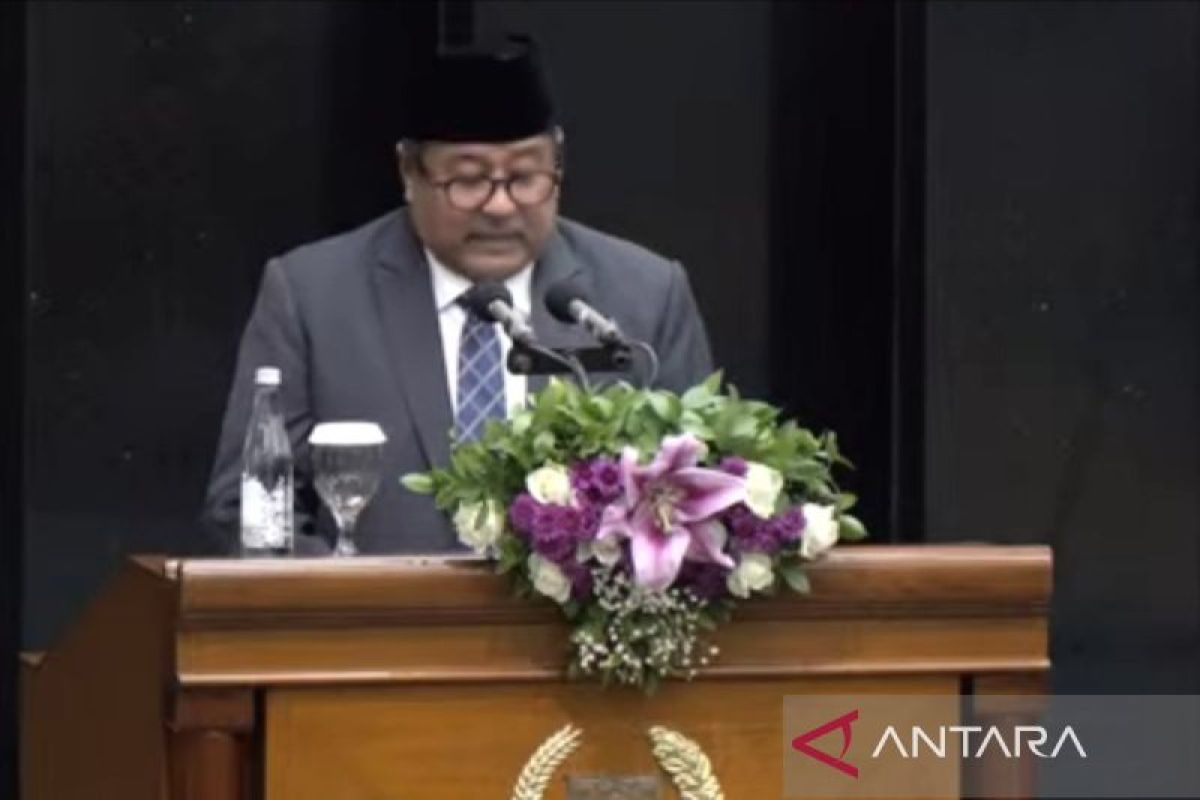
Jakarta (ANTARA) - Deputy Governor of DKI Jakarta Rano Karno stated that Jakarta requires a more modern, integrated, responsive, and equitable regional health system capable of addressing current challenges while anticipating future needs.
“Through the Regional Health System Regulation Draft, we aim to ensure integration between planning, budgeting, and health services, so that health management can operate more effectively, efficiently, and sustainably,” said Rano while delivering the Governor’s speech at the Plenary Session of the DKI Jakarta DPRD on Monday.
According to him, the Regional Health System Regulation Draft is proposed to replace Regional Regulation No. 4 of 2009, which has been in effect for over 15 years and is no longer aligned with the current dynamics of the health sector.
He noted that the enactment of Law No. 17 of 2023 on Health, along with its implementing regulations, introduces fundamental changes in the governance of the national health system.
Therefore, Rano said, adjustments are necessary to prevent regulatory disharmony that could lead to legal uncertainty and diminish the effectiveness of health service delivery in Jakarta.
“In addition to regulatory aspects, this revision is also driven by major changes following the COVID-19 pandemic, which demonstrated that the health system must be stronger, more adaptive, and resilient in facing crises,” he stated.
Furthermore, Jakarta faces increasingly complex health challenges, including the rise of non-communicable diseases, persistently high infectious diseases, vulnerability to outbreaks and health crises, disparities in access and quality of services across regions and population groups.
“And the suboptimal integration of service systems, health data, and overall governance,” he added.
On the other hand, urban environmental health challenges such as air pollution, population density, and climate change also impact public health levels.
Therefore, Jakarta needs a regional health system that is more modern, integrated, responsive, and equitable, capable of addressing current challenges while anticipating future needs.
The main objectives of the regional regulation draft are to enhance healthy living behaviours among the community, improve access and quality of health services, optimise the management of health resources, meet health service needs equitably and evenly.
Additionally, to strengthen health resilience in facing extraordinary events and outbreaks, ensure the sustainability of health funding, and provide protection and legal certainty for the community and health workers.
“Thus, we hope to realise a more optimal, strong, and integrated regional health system for the people of Jakarta,” said Rano.