
Ramstein Military Base: The Cornerstone of US Military Logistics in Europe
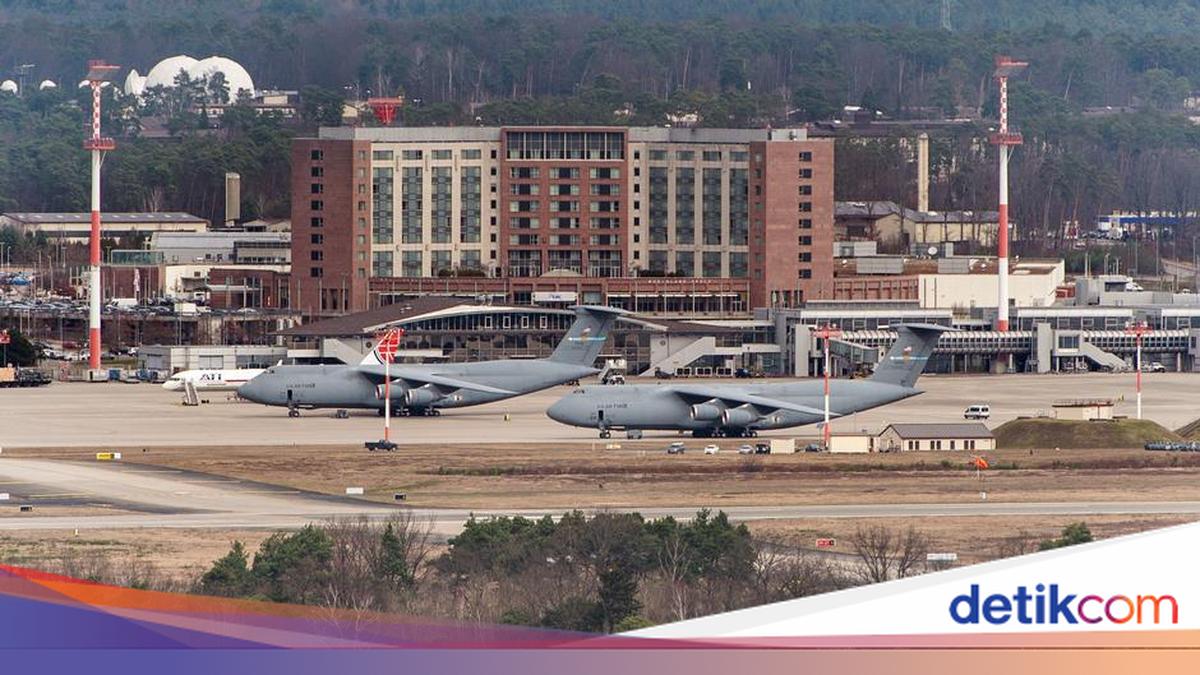
Ramstein Air Base is a world unto itself. In western Germany, near the town of Ramstein-Miesenbach, sprawls a vast military complex, complete with runways, hangars, and numerous buildings. This airfield functions as a small town in its own right, situated in the rural Rhineland-Palatinate region, tightly isolated from the surrounding hilly landscape. Although located in German territory, Ramstein enjoys a level of immunity similar to that of a foreign embassy: German officials and politicians may only enter with permission from the American commander.
Approximately 9,000 people work at the base. It is the largest US Air Force base in Europe. “Ramstein Air Base is an extremely important logistics hub for the US military,” said former NATO Director William Alberque in an interview with DW. “The base is also known as the gateway to Europe. From here, flights from the US are forwarded to Africa, Eastern Europe, and the Middle East.” However, Alberque emphasised, “Ramstein is not an operational centre for attacks.”
Alongside military facilities, there is also Landstuhl Regional Medical Center, the largest American military hospital outside the United States. Overall, approximately 50,000 American citizens live in the region with their families. There are schools, shops, and other service providers conducting transactions in US dollars. The presence of these US facilities is important for the regional economy.
The Significance of Ramstein
Before developing into a US military facility in 1952, Ramstein had been used by Nazi forces during the Second World War until it was captured by American troops in 1945. From an airfield and administrative complex, it expanded into an increasingly large facility for the US presence in Germany and later for NATO.
Since 1971, Ramstein has served as headquarters for the Military Airlift Command and its transport aircraft. In 1973, the US Air Force headquarters in Europe was relocated from Wiesbaden to Ramstein.
A year later, Ramstein also became the location of NATO command for managing air forces. From Ramstein, NATO monitors air defence missile systems and space activities of member nations. NASA occasionally uses Ramstein for scientific research flights.
Ramstein has twice made international headlines. In August 1981, members of the left-wing extremist group Rote Armee Fraktion carried out a bomb attack, leaving 20 people seriously injured. In August 1988, during an air show, Italian aerobatic aircraft collided mid-air and one aircraft crashed into the crowd. Seventy people died and hundreds were injured. This became the largest air show tragedy in history. Since then, air shows have never been held at Ramstein again.
In 2005, the base was reported to house nuclear weapons – although this was never officially confirmed. According to experts, by that same year the weapons had been relocated. Currently, Büchel Air Base in the Eifel region is considered the only location for US nuclear weapon storage in Germany.
Controller of Unmanned Combat Aircraft
Ramstein’s role has grown with the establishment of a control centre for US unmanned combat aircraft (drone) operations. This has triggered debate about German involvement in alleged targeted killings of suspected terrorists in Asia and Africa.
A legal case against the German government was also filed regarding a deadly drone strike in Yemen in 2012 that was controlled from Ramstein. The plaintiffs were two Yemeni citizens whose relatives died in that strike.
In 2025, Germany’s Constitutional Court ruled that the operation conducted at Ramstein in that case was legally valid. However, that decision did not automatically legitimise unlimited military use at Ramstein.
Ramstein also attracted media attention for serving as a stopover point for terrorist detainees before they were flown to US secret prisons.
Meeting Point for Ukraine-Supporting Nations
In addition to serving as an evacuation flight hub – such as during the evacuation of Afghan citizens in mid-2021 following the Taliban’s takeover of power – Ramstein also became a meeting place for nations supporting Ukraine after Russia’s invasion of Ukraine began in February 2022.
However, these meetings of Ukraine-supporting nations were initiated by the US Defence Secretary, not by Germany. This sent a strong signal about who held control. The term “Ramstein Group” began to be used. These meetings ended when Donald Trump returned to the US presidency in early 2025.
Trump’s Threat to Reduce Troops
During his first term in 2020, Donald Trump threatened to significantly reduce the number of US troops in Germany, arguing that Germany was not paying enough for its defence budget.
This had implications for Ramstein Military Base. Former US Commander in Europe General Ben Hodges, in an interview with Der Spiegel magazine, called the plan a grave mistake and said the US president did not understand how important American forces in Germany were for American security.
At the beginning of his second term in 2025, Trump again questioned the presence of US troops in Germany. However, Germany has significantly increased its defence spending.
Since Chancellor Friedrich Merz took office in May 2025 and visited Washington several times, the threat has also subsided. Since the latest US attack on Iran in March 2026, the importance of Ramstein as a logistics base in Europe has become clear once again.
Spain temporarily closed its military base to the US, considering the attack on Iran to violate international law. Germany’s Left Party has demanded the same for Ramstein.
The question then arises: is this legally possible?
“It would likely be very difficult for the German government to restrict US operations at Ramstein,” William Alberque told DW. “If they wanted to, they could do it, but it would be highly unusual, and I’m not certain…”