
Ramadan Transport Season: Transport Sector Poised for Growth
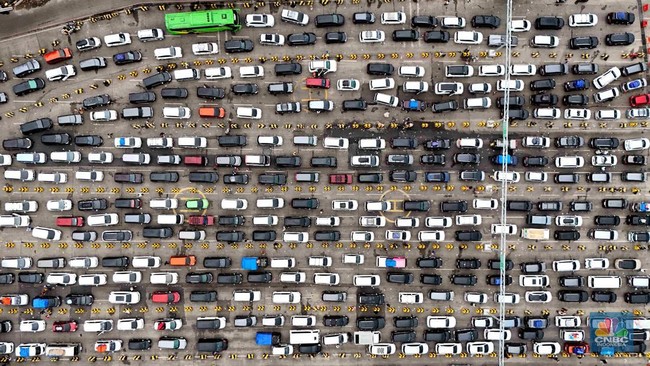
Jakarta — Indonesia’s transport sector, encompassing both passenger and logistics services, is projected to experience significant revenue growth during the 2026 Ramadan season, particularly as the Eid holiday approaches.
The tradition of mudik (homecoming) remains a critical catalyst for the transport industry annually. According to a survey by the Ministry of Transport, the number of people undertaking the Eid 2026 journey is estimated to reach approximately 143-144 million individuals travelling to their hometowns.
This figure reflects substantial population mobility despite current consumer purchasing power pressures. Transport analysts note that mudik represents a deeply ingrained cultural necessity in Indonesia, ensuring that passenger movement remains consistently high year-on-year.
This significant movement presents considerable opportunities for land, sea, and air transport companies. Beyond increased passenger numbers, private vehicle traffic is also expected to rise markedly. Toll road operators project approximately 3.6 million vehicles will depart the Jabodetabek region during the 2026 Eid mudik period.
The logistics sector, too, is capitalising on the Ramadan and Eid momentum. Increased consumer shopping activity leading up to the holiday drives a surge in package deliveries. The logistics association estimates that package delivery volumes during Ramadan could grow approximately 10-20% compared to the previous year, driven by e-commerce transactions, Eid parcel shipments, and increased demand for food and fashion products.
For some courier companies, growth rates are even more pronounced. In the period immediately preceding Eid, package delivery volumes are projected to increase 30-50% compared to ordinary days, peaking after bonus payments (THR) are distributed, when consumer spending activity surges.
The Jakpat Consumer & Commerce Outlook 2026 report reveals that consumer shopping behaviour is increasingly shifting towards digital channels. Ninety-five per cent of consumers aged 17-55 now prefer conducting transactions through online platforms. Furthermore, approximately 88% of respondents have made e-commerce their primary channel for meeting various needs, from daily necessities to lifestyle products.
These findings align with Nielsen data from 2025, which indicates that household expenditure during the Ramadan period increases by approximately 1.2 times compared to normal periods. This increased consumption is largely driven by widespread promotional programmes and pricing offers perceived as more attractive than conventional shopping channels.