
Ramadan Drives Bank Woori Saudara to Strengthen Retail Customer Services
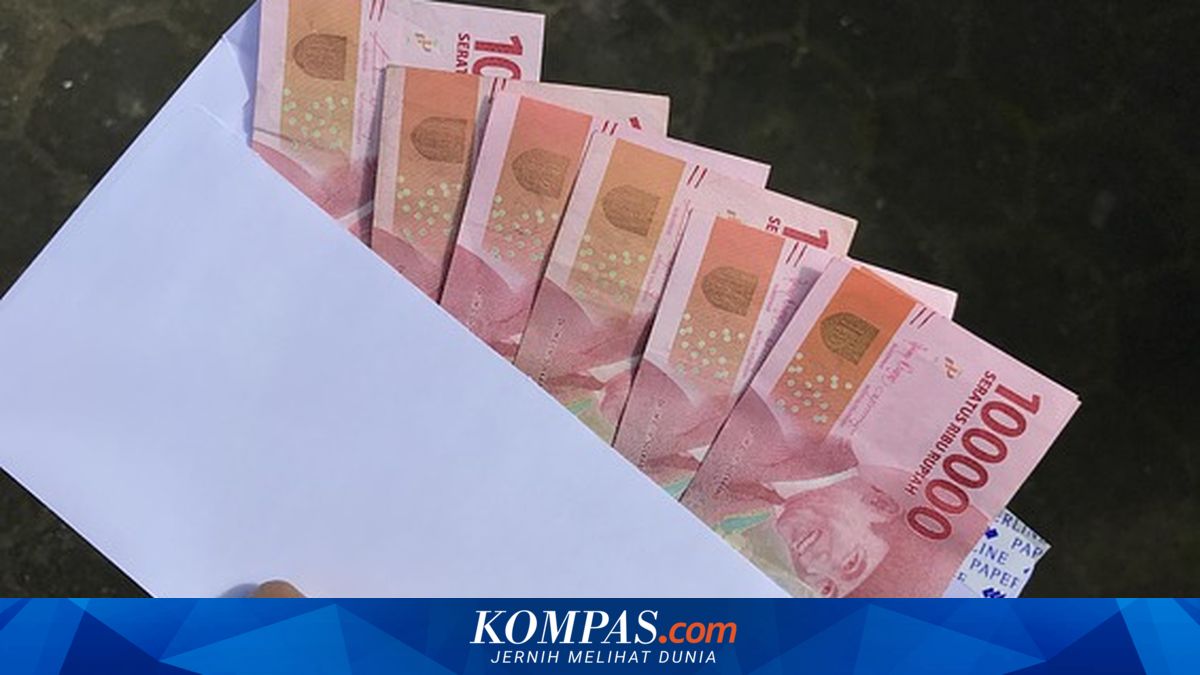
Jakarta – The Ramadan period represents a strategic opportunity for the banking industry to optimise business activities, particularly within the retail segment. Rising transaction demand during the fasting month and approaching Lebaran encourages banks to strengthen services through both digital channels and product innovations aligned with customer requirements.
Transaction activity typically surges during Ramadan due to increased household consumption needs, zakat and charitable donations, and Lebaran preparations. This drives heightened banking transaction frequency, including transfers, digital payments, and cash withdrawals.
Banks are capitalising on this momentum to promote digital banking services, which increasingly serve as customers’ preferred option. Digital channels enable faster, more convenient transactions whilst reaching a broader customer base.
“The increase in customer transaction activity during this period is expected to contribute to growth in transaction volume whilst strengthening long-term relationships with customers,” Bank Woori Saudara stated on Monday (16 March 2026).
Beyond improving transaction convenience, banks are introducing Ramadan-themed programmes and products addressing customer needs during the fasting month. These product and service innovations are designed to encourage transaction activity whilst increasing customer engagement.
This strategy also creates opportunities for banks to optimise fee-based income sources. Increased digital transaction volumes, payments, and other banking services could provide additional non-interest income contributions.
Aditya Prayoga, analyst at Phintraco Securities, noted that the Ramadan to pre-Lebaran period has historically been a key driver of retail banking transaction activity, reflecting increased consumer spending during this timeframe.
He highlighted that transaction growth is further supported by seasonal factors, particularly Eid bonus (Tunjangan Hari Raya) distributions, which typically precede Lebaran. These bonus payouts boost consumer purchasing power and banking transaction activity.
“Ramadan momentum typically provides significant impetus to retail franchise transactions. With Eid bonus distributions and rising consumer shopping activity, transaction frequency tends to increase and contribute positively to banks’ fee-based income,” he said.
Bank Woori Saudara holds particular advantages given its strong retail customer base, particularly among civil servants and private sector employees. This segment demonstrates relatively stable transaction patterns and diverse banking service needs.
Exposure to fixed-income customers also opens potential for increased transaction activity during Ramadan and approaching Lebaran, strengthening the retail segment’s role as a key business performance driver.
Going forward, optimising seasonal opportunities like Ramadan is expected to remain central to banking industry strategy for strengthening retail business growth. Through combining digital service enhancements, product innovation, and leveraging strong customer bases, banks can maximise transaction volume growth whilst increasing fee-based income contributions.