
Ramadan Bazaar Festivities Boost Village Economy in Bilebante, West Nusa Tenggara
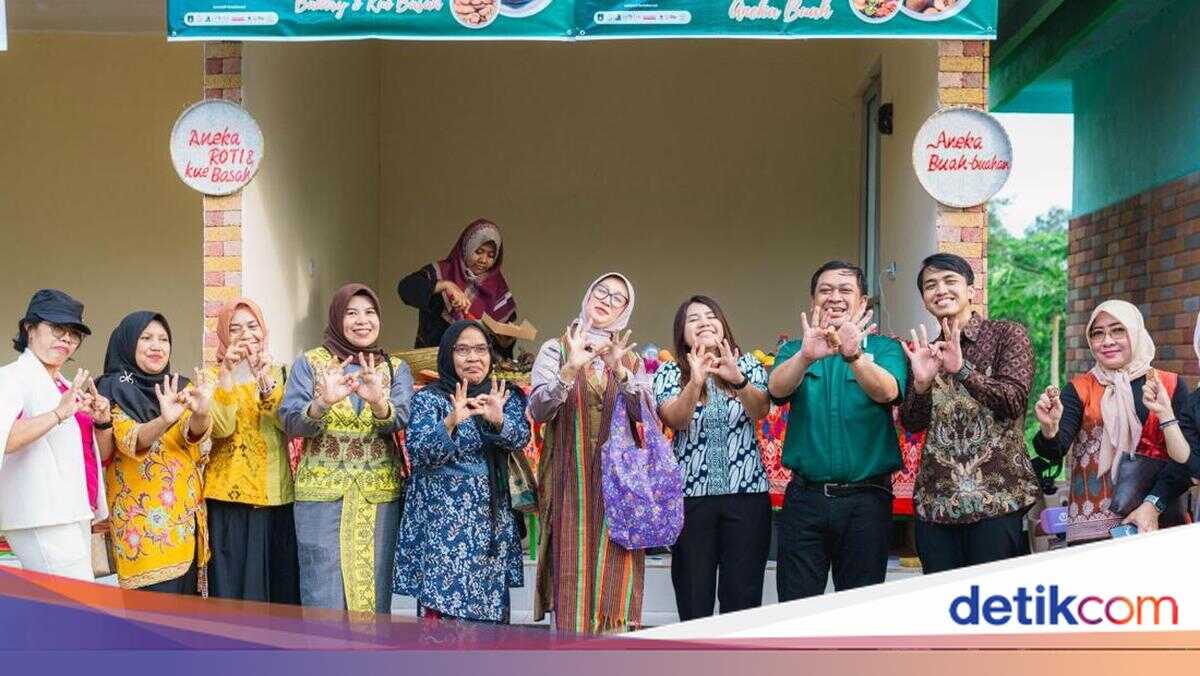
The Sampoerna Entrepreneurship Training Centre (SETC), in collaboration with Inotek, held a Ramadan Bazaar Festivities event in the tourism village of Bilebante, Pringgarata District, Central Lombok Regency, West Nusa Tenggara (NTB).
Involving 40 micro, small and medium enterprise (MSME) operators, the bazaar showcased a variety of traditional Sasak cuisine, ranging from jamu mule gati herbal drinks, seaweed meatballs, mushroom satay, nasi ebatan, sate pusut, to ayam rangkat.
In her remarks, the Chairwoman of the NTB Regional National Crafts Council (Dekranasda), Shinta Agathia Soedjoko, invited all members of the community to shop together. She noted that the bazaar not only made it easier for residents to purchase takjil (breaking-of-fast snacks) but also helped drive the MSME economy.
“Besides making things easier for those of us at home, it also helps the community (MSMEs) here, helping the economy improve further,” she said in a written statement on Tuesday (24 February 2026).
She made the remarks whilst opening the bazaar alongside the Rector of Nahdlatul Ulama University (UNU) NTB, Dr Baiq Mulianah, the sub-district head, and the local village chief on Sunday (15 February 2026). The event was opened with a ceremonial striking of the kentongan (traditional wooden drum).
Similarly, the Head of the NTB Provincial Tourism Office, Ahmad Nur Aulia, expressed his appreciation for the collaborative bazaar organised by SETC and local partners. Through the bazaar, he hoped that the capabilities of MSMEs in Bilebante Village could be enhanced and a mutually supportive business ecosystem created.
“We saw earlier how the process of building trust with visitors through cashless transactions works,” he said.
He stated that such activities could strengthen the economic activity of tourism villages in NTB. If replicated across 1,166 other villages and sub-districts throughout the province, he continued, it could drive the grassroots economy.
“This is an extraordinary learning experience in how to build an ecosystem from the governance of MSME empowerment to develop existing potential,” he added.
Meanwhile, the person in charge of the Ramadan Bazaar Festivities, Triyanto, explained that the event aimed to empower fostered MSMEs from the food sector, handicrafts, and professional health massage services.
Through this programme, the village government and organisers also sought to synergise local tourism potential with advances in digital marketing for small business operators.
“This bazaar exists because we see that the local potential here is excellent, and Bilebante is a tourism village, so the question is how local MSMEs can progress — one way is through this bazaar,” said Triyanto.
Uniquely, unlike other bazaars, visitors wishing to purchase products had to exchange their money for wooden kepeng coins at the entrance. This wooden coin transaction system was implemented to facilitate monitoring of sales turnover.
Triyanto noted that besides driving the village economy, the bazaar had successfully reactivated neglected land, transforming it into a centre for productive community activities.
Furthermore, Triyanto explained that the collaboration to support MSMEs in Bilebante Village was carried out through various mentoring initiatives, skills training, and the provision of marketing platforms. The following are several SETC collaborations supporting MSME development:
Mentoring Through the Collaborator Hub This programme was initiated by SETC through the “Collaborator Hub” of the Putri Rinjani Women’s Cooperative, led by Hj Zaenab, which is tasked with providing direct mentoring to approximately 40 MSMEs in Bilebante Village and surrounding villages such as Lendang Are and Ungge.
Technical and Digital Skills Training Since 2023, this collaboration has provided various training programmes to improve product quality and market reach, including product photography to enhance the visual appeal of merchandise, sewing and pattern-making training, and digital marketing so that MSME operators can market their products online.
Improving Service Standards The collaboration also extends to the service sector, with local traditional massage therapists who were previously informal now trained to tourism standards so they can serve hotel guests and tourists more professionally.
Provision of Market Platforms (Bazaars) Through these activities, MSMEs are given a platform to sell various products ranging from food and beverages to handicrafts. This aims to ensure local MSMEs have a clear market beyond dependence on the conventional tourism sector.
Village Economic Reactivation This collaboration utilises and reactivates village land that had lain idle for five years, transforming it into a bazaar site, thereby supporting the overall village economy.