
Ramadan and the Youth’s Steps Toward Building Civilisation from the Mosque
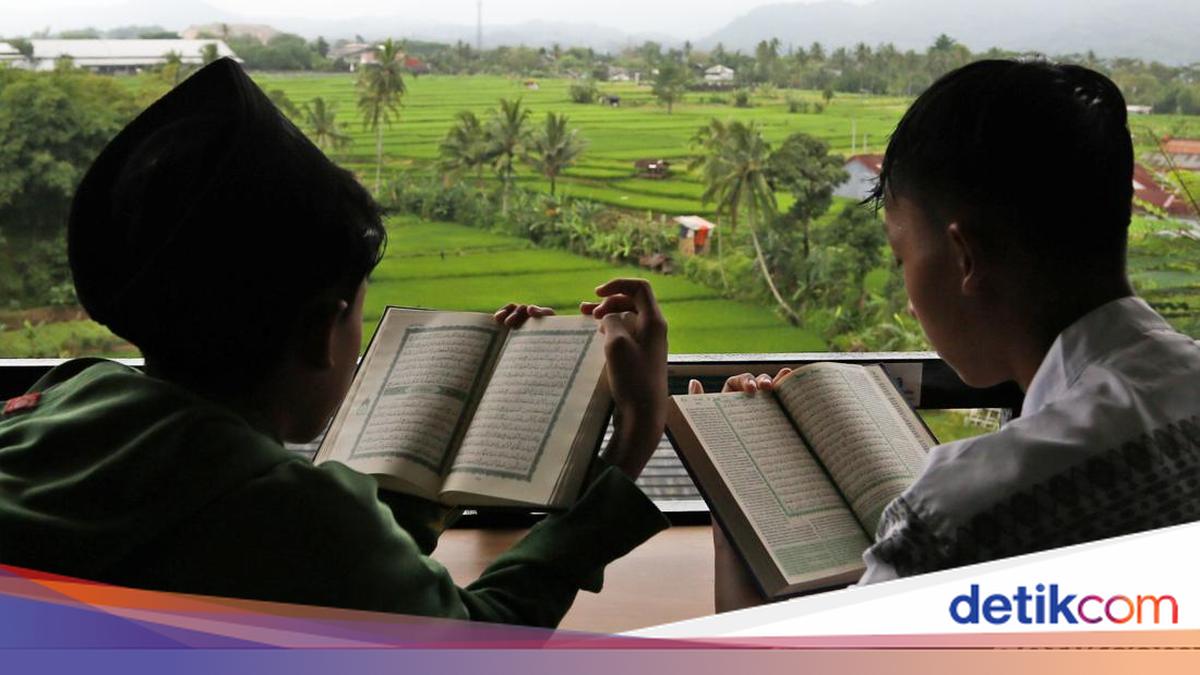
Ramadan brings a different atmosphere to many mosques, spaces where worshippers gather to pray and strengthen community ties. In Masjid Sejuta Pemuda, the vibe is alive around the clock. Opened in 2024 in Sukabumi, West Java, the mosque does not merely open during prayer times but operates 24 hours a day, serving as a waypoint for many, especially young people from various regions.
During Ramadan, religious activities are held regularly to enliven worship. After the obligatory prayers, worshippers gather to recite one juz of the Qur’an together, while a food-sharing programme prepares tens of thousands of portions for iftar and sahur. There are also prizes for those who regularly perform Tarawih prayers at Masjid Sejuta Pemuda.
The anti-hunger mosque programme runs daily, distributing meals to residents in the surrounding area. This initiative is part of an effort to present the mosque as a space of social care that is open to anyone.
For some, the mosque serves as a temporary haven. Travellers from outside the city can rest in a designated area, provided with sleeping mats and pillows to help them rest more comfortably.
Between acts of worship, the atmosphere turns relaxed at night. A simple coffee bar, run by a marbut (caretaker), brews coffee free of charge for visitors, accompanying light chats after the series of religious activities.
Hasan Haidara (25), a student from Mali who has memorised 30 juz of the Qur’an, is among those who visit regularly during Ramadan. He uses the time to refresh his memorisation and participate in activities organised by the mosque’s management. For Hasan, the environment created by the management makes him feel comfortable; many attendees are youths his own age, making it easy to mingle and make new friends while in Indonesia.
Nader Sadek (23), a Libyan student studying in Indonesia, shares a similar sentiment. Far from home, he says the facilities available at the mosque help him. To him, the presence of a 24-hour mosque that provides a place for prayer, meals, and a gathering space for young people makes Ramadan feel warmer even when far from homeland.
The concept behind the management’s approach stems from a dawah (Islamic outreach) idea that involves young people as drivers. Through a more open approach, the mosque is expected to become a familiar meeting place for youth to learn, worship, socialise, and build civilisation.