
RAM Prices Begin to Fall After a Year of Surging: The Right Time to Build a PC?
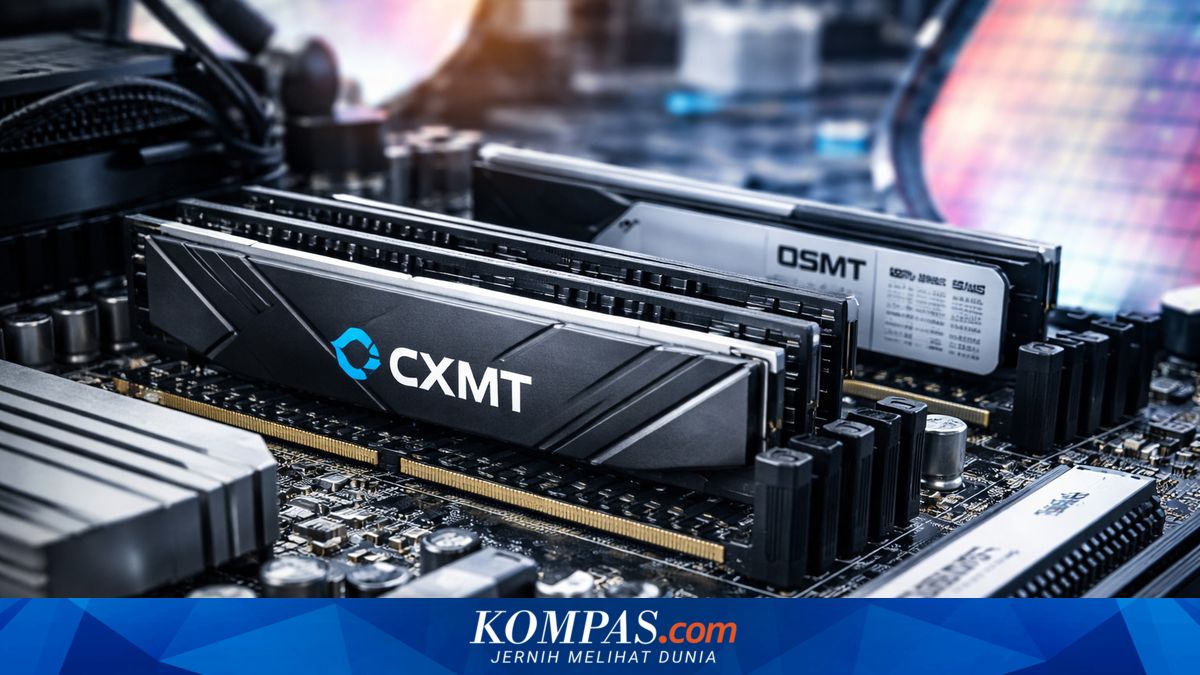
KOMPAS.com - There is good news for those planning to build a PC and who have recently been puzzled by the rising prices of memory components. After experiencing an unreasonable price surge for nearly the past year, spot prices for DDR4 and DDR5 RAM are slowly beginning to show signs of decline. Memory prices in the market once surged up to 2,200 per cent over the last 12 months, due to the explosion in demand from the artificial intelligence (AI) industry. Now, for the first time in nearly a year, the memory price graph has finally fallen. Based on the latest data from DigiTimes, the spot price for 16 GB DDR4 RAM fell around 5 per cent throughout the past month, settling at around $74.10 USD (approximately Rp 1.27 million). This is the first monthly decline since last February. As an illustration of how high the price increase for this component was, a year ago the same component was still priced at around $3.20 USD. Even though it has fallen 5 per cent, the current price is still 20 times more expensive than last year. Similar signs of decline are also visible in the DDR5 variant. 16GB DDR5 RAM has fallen to around $37.20 USD. The sharpest price drops are actually observed in China’s retail market and channel distributors, as well as on the Amazon marketplace, as compiled by KompasTekno from Tom’s Hardware. In the Chinese market, prices for some 32GB DDR5 memory kits have even been reported to plummet up to 30 per cent, while 8GB and 16GB DDR4 modules have fallen sharply up to 25 per cent. First, distributors (mainly in China) who previously hoarded stocks excessively when prices were at their peak are now starting to “clear their warehouses” by releasing their stocks. This step is taken because small vendors can no longer absorb components that are too expensive, amid weak demand from home PC class consumers. The second factor, which is no less interesting, is the recent announcement from Google.