
Rail Electrification Key to Keeping KRL Reliable Amid Rising Urban Mobility
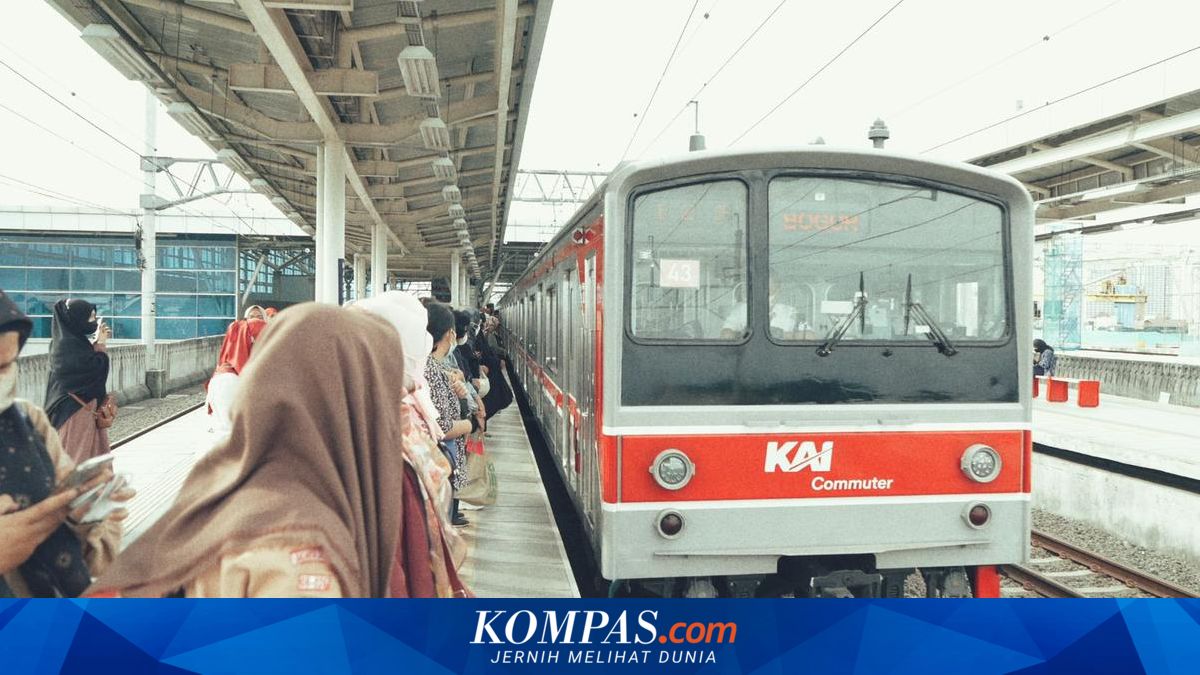
JAKARTA, KOMPAS.COM - Strengthening railway electrification is seen as a crucial step to keep KRL operations reliable amid rising urban mobility over the past decade. PT Kereta Api Indonesia (Persero) believes electricity-based technology can increase passenger capacity, shorten travel times, and reduce carbon emissions in urban areas with increasingly dense mobility. “The growth of urban mobility over the past decade has increased the need to strengthen railway electrification in metropolitan areas,” said Anne Purba, Vice President Corporate Communications at KAI, in an official statement, Thursday (21 May 2026). According to her, electrification plays an important role in modern urban transportation systems because it directly relates to travel capacity, operational stability, and the reliability of signalling systems managed jointly with the Directorate General of Railways (DJKA) of the Ministry of Transportation. “As the number of KRL journeys continues to rise, electricity demand also increases. Strengthening electrification is important to maintain operational stability, support the signaling system, and ensure KRL journeys run safely and reliably on routes with increasingly dense traffic,” Anne said. During the period, more than 140 million urban-mobility journeys were added. Mobility recovery also progressed rapidly after the pandemic, with user growth reaching 50 percent in 2022 and rising again 31 percent in 2023. The mobility surge is also reflected in the daily total KRL journeys, which rose from 881 journeys per day in 2015 to 1,063 journeys per day in 2025. Bogor Line has the highest journey frequency at 299 journeys per day, followed by Bekasi Line with 232 journeys and Serpong Line with 204 journeys. “These conditions indicate rising capacity and operational stability needs across urban lines with dense traffic,” Anne explained. Adequate power supply is a key factor in maintaining KRL performance, including supporting signalling devices, electrical substations, and operational management on busy lines coordinated with DJKA of the Ministry of Transportation. “Electrification is closely tied to the system’s ability to handle growing journeys. When urban mobility increases very rapidly, power infrastructure needs to be reinforced so that operations remain stable and the risk of journey disruptions can be minimised,” Anne said. The research also shows Jabodetabek urban mobility has become one of the largest in Southeast Asia, with total journeys reaching 349.3 million in 2025. That figure is much higher than other urban regions such as Bandung with 18.7 million journeys, Surabaya 16 million journeys, and Yogyakarta 10.1 million journeys.