
Rafflesia Group's "Delay" Strategy: The Key to Smooth Eid Exodus and Return Flows
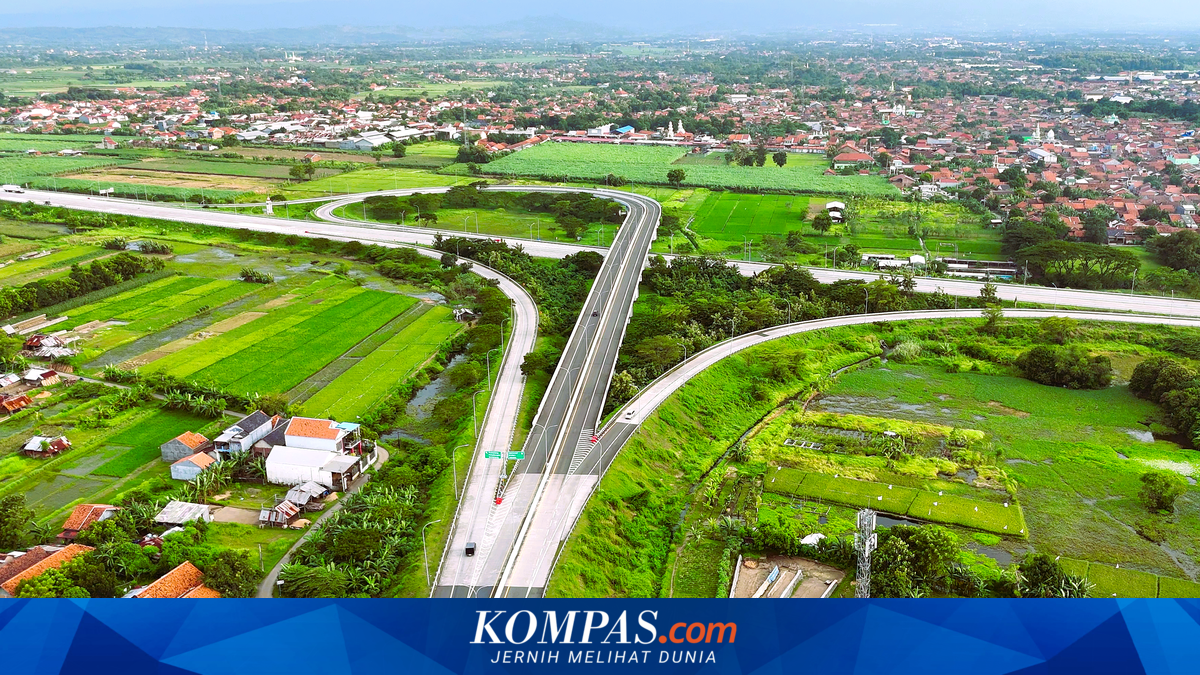
JAKARTA - Behind the claims of smooth Eid exodus and return flows for 1447 H, there lies a fairly complex traffic management orchestration. Rafflesia Group reported their success in curbing potential stagnation on the Trans Java Toll Road, even as vehicle volume surged by up to 145 per cent above the normal average. The key to this year’s success lay in the execution of a more precise delay system strategy to regulate the flow of vehicles at critical points. Facing these risks, CEO of Rafflesia Group, Moh. Adhi Resza, revealed that his company applied strict access control mechanisms. “This year, we relied on the delay system and the opening and closing of rest areas with high accuracy. As soon as the capacity inside reaches the safe limit, entry access is delayed situationally to ensure the main lane flow remains unobstructed by queues entering and exiting,” Adhi explained. In addition to on-the-ground technical measures, traffic smoothness was influenced by the distribution of vehicle loads that no longer piled up on the same day. Work From Anywhere (WFA) policies and toll fee discount incentives proved effective as “wave breakers” for vehicle surges. Data shows that the spike on the Kanci-Pejagan section remained controlled despite rocketing by 130.41 per cent. Rafflesia Group did not loosen surveillance after the peak return flow. All Toll Road Business Entities (BUJT) under its auspices remained in full alert status until H+10 of Eid. Intensive coordination strategies with the National Police Traffic Corps and the Ministry of Public Works were claimed to handle every on-site incident within minutes. The evaluation of this year’s flow management success is projected to become a new standard benchmark for future toll road services, especially in facing the exponential growth dynamics of vehicle volumes each year.