
Racing for peace: Indonesia’s move to blunt Mideast escalation
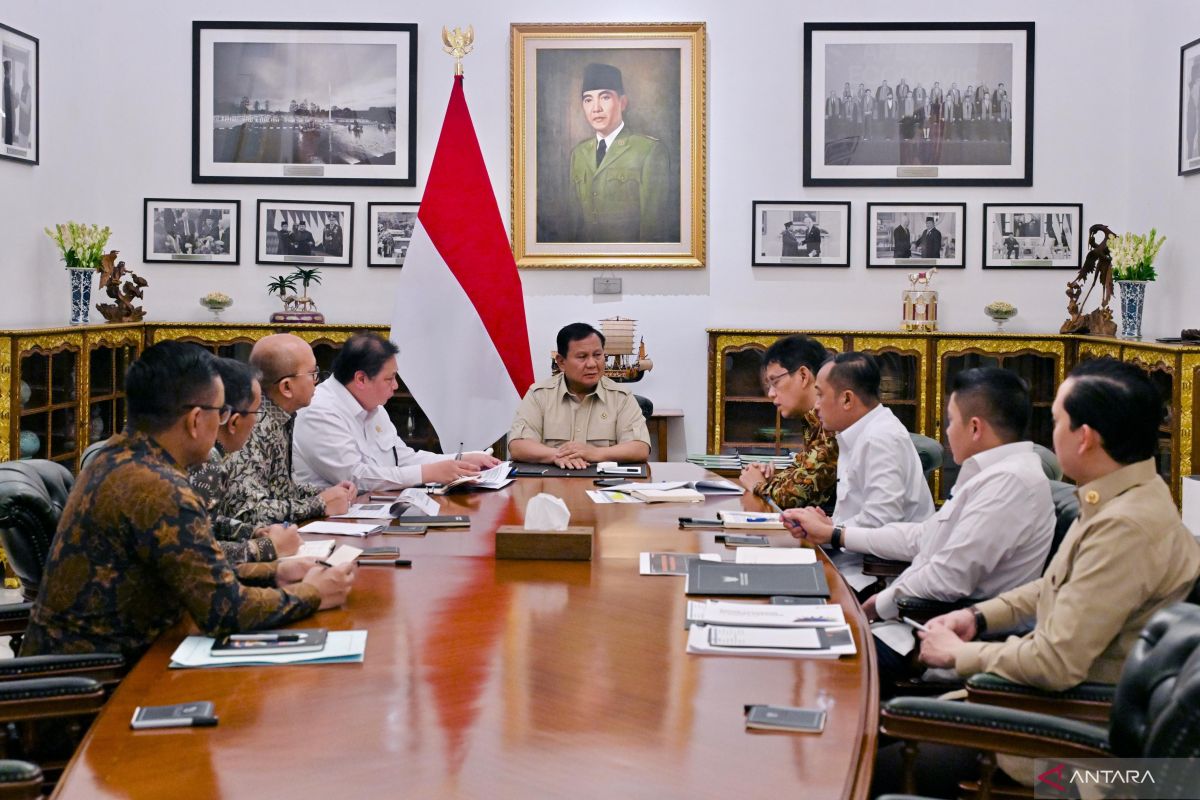
Jakarta quickly pivoted to high-level diplomacy, activating bilateral channels and international forums to press for de-escalation in line with its long-standing “independent and active” foreign policy doctrine.
The Indonesian government warned the conflict threatens global economic stability, with escalation likely to push up energy prices and disrupt vital trade routes, potentially forcing rapid domestic policy adjustments.
President Prabowo Subianto underscored Indonesia’s readiness to mediate, urging all parties to return to negotiations and stressing that regional stability depends on sustained international cooperation.
The ripple effects of tensions between Washington, Israel and Tehran extend far beyond the Middle East, with geopolitical and economic shocks reaching Asia, including the Indonesian archipelago.
Energy security remains the central concern. The Middle East controls key oil corridors, particularly the Strait of Hormuz, a narrow passage critical to global energy flows.
About 20 to 21 million barrels of oil—roughly one-fifth of global daily consumption—move through the strait each day, underscoring its role as one of the world’s most vital economic arteries.
Iran’s position along the waterway makes it a pivotal actor in the crisis, with any disruption carrying the risk of a sharp global price spike and wider economic instability.
For Indonesia, a net oil importer, a prolonged disruption could drive up domestic fuel costs and strain the state budget, making de-escalation a strategic necessity.
Beyond energy, the conflict risks deepening geopolitical polarization, with potential spillover effects that could undermine stability in Southeast Asia.
Strategic leadership and direct dialogue
Indonesia’s response centers on direct engagement between world leaders, a top-down approach aimed at securing swift commitments to restraint and preventing further military escalation.
Prabowo has initiated talks with Shehbaz Sharif, with both leaders exploring ways to ease tensions while leveraging Pakistan’s historical ties with Iran.
Jakarta has also reached out to Gulf leaders, including Tamim bin Hamad Al Thani and Mohammed bin Salman, to coordinate responses and expand diplomatic momentum.
These countries are key regional actors. Qatar has often served as a mediator, while Saudi Arabia holds significant political, religious and economic influence across the Islamic world.
Through these high-level contacts, Indonesia is seeking to consolidate a coalition of voices favoring dialogue over confrontation.
The strategy reflects Indonesia’s foundational foreign policy principle of remaining independent while actively contributing to global peace.
This stance allows Jakarta to maintain open lines with both Western countries and the Islamic world, enhancing its credibility as a neutral interlocutor.
Rather than resorting to confrontational rhetoric, Indonesia is building pressure through collective diplomacy, encouraging restraint while keeping communication channels open.
Such a balanced approach strengthens Indonesia’s potential role as a mediator, with Prabowo offering to facilitate talks if a neutral venue is required.
Engaging Tehran and regional blocs
Indonesia’s diplomatic leverage is reinforced by its chairmanship of the Developing Eight for the 2026–2027 period, a grouping of developing economies focused on cooperation.
The D-8 includes Bangladesh, Egypt, Indonesia, Iran, Malaysia, Nigeria, Pakistan and Turkey, with Azerbaijan joining as a ninth member in July 2024, expanding the bloc’s reach.
Jakarta’s ties with Tehran provide an important channel for direct communication, enabling Indonesia to convey calls for restraint at a critical moment.
Iran has urged the D-8 to issue a formal condemnation of the strikes, viewing the bloc as a platform to mobilize broader international backing.
As chair, Indonesia continues to promote solidarity and equitable cooperation, even as geopolitical tensions test the resilience of developing economies.
Beyond the D-8, Indonesia is coordinating with ASEAN, which under Malaysia’s chairmanship has called for an immediate cessation of hostilities.
ASEAN foreign ministers have expressed concern over civilian safety and global stability, urging all parties to respect international law and the United Nations Charter.
While some member states have issued stronger individual responses, the bloc’s collective position focuses on preventing escalation and preserving regional stability.
This dual-track diplomacy underscores a broader rejection of all-out war among a significant portion of the global community.
Power of constructive engagement
Indonesia’s diplomatic style emphasizes constructive engagement, combining firm principles with measured language to avoid inflaming tensions.
Such an approach can be effective in complex conflicts, as it encourages dialogue without forcing leaders into hardened positions.
Consensus-building remains central to Jakarta’s strategy, as it works to align international actors around the shared economic and security benefits of peace.
By mobilizing global forums and leadership networks, Indonesia is effectively building a diplomatic buffer to absorb the shocks of conflict.
At its core, the strategy seeks to keep negotiation channels open, preventing localized tensions from escalating into a broader war.
Indonesia’s national interests are closely tied to global stability, highlighting how middle powers can shape outcomes through sustained diplomacy.
Prabowo’s leadership during the crisis reinforces Indonesia’s image as a stabilizing force in an increasingly volatile global landscape.
The stakes are high for the global economy, with escalation threatening renewed inflation and supply chain disruptions.
Indonesia’s message remains consistent: dialogue is the only viable path to lasting stability.
As Jakarta positions itself as a bridge between competing blocs, it continues to promote sovereignty, international law and human dignity.