
Quality of Life Becomes Primary Indicator of Successful Cancer Therapy in the Elderly
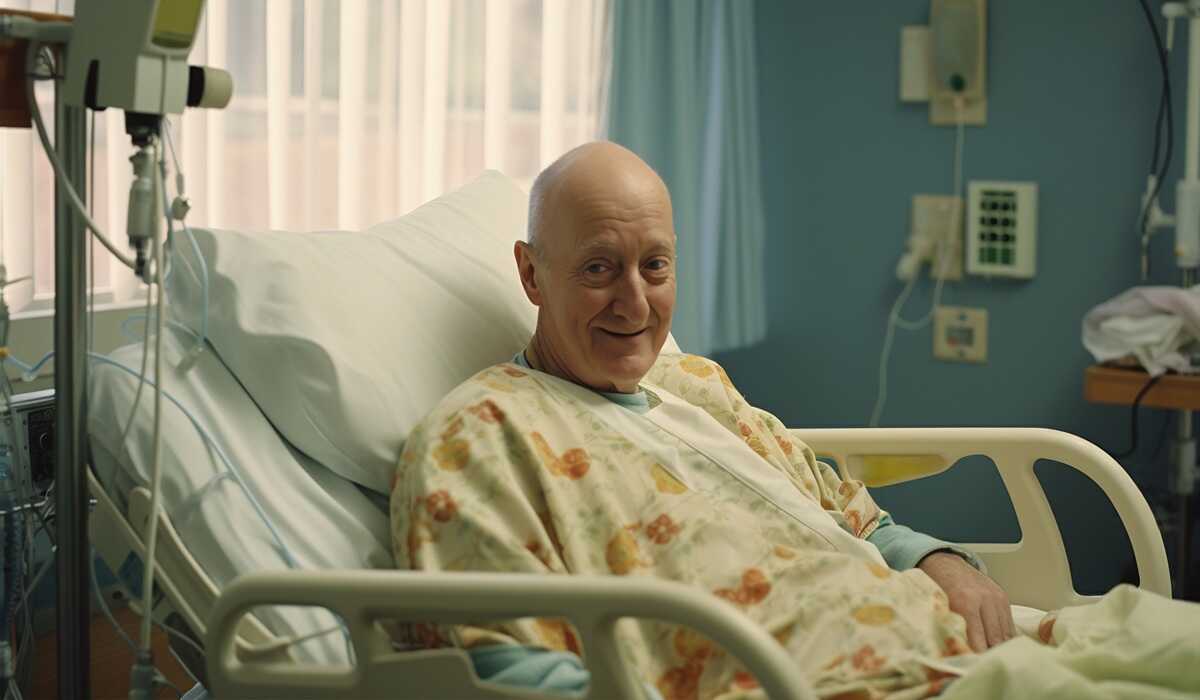
The paradigm for measuring cancer treatment success is shifting. Treatment efficacy is no longer assessed solely on survival rates or how long patients remain alive, but increasingly on the quality of life patients experience during and after treatment.
Dr Daniel Rizky, an internal medicine specialist and haematology oncology consultant trained at Diponegoro University (Undip), emphasises that treatment effectiveness must proceed in alignment with patients’ physical and psychological conditions.
“Treatment success is not measured solely by survival rate, but also by tumour response to treatment and patient quality of life. Ideal therapy is that which is effective without making the patient’s condition worse,” stated Daniel in a press release.
This statement addresses public concerns regarding the high risks of cancer treatment among elderly groups.
According to Daniel, medical advances have now introduced therapy regimens that are more “elderly-friendly”. The approach used is increasingly personalised, balancing medical effectiveness with patient comfort.
However, he acknowledges that treating cancer in the elderly presents distinct challenges. One of the most crucial determining factors is not chronological age, but biological fitness level, known as the frailty index.
“Not all patients aged 70 have the same bodily condition. Therefore, therapy cannot be standardised and must undergo special assessment before determining treatment type and dosage,” he explained.
Medical treatment remains guided by cancer type and stage, but doctors will carefully consider organ function, comorbid conditions, and the patient’s level of independence.
Beyond clinical aspects, Daniel highlights the critical role of family as a support system. He regrets that many patients still impose extreme food restrictions due to unfounded myths in society. In fact, adequate nutrition is essential for the body to repair cells damaged during treatment. Without sufficient nutritional intake, patients’ physical condition risks declining sharply.
“Cancer is not merely a biological disease but carries social and emotional impacts. A strong support system helps patients remain motivated and not feel alone whilst undergoing therapy,” Daniel added.
The patient’s journey does not end when therapy concludes. Daniel reminds elderly cancer survivors to continue with regular check-ups and monitoring. This aims to detect potential recurrence early and monitor long-term treatment side effects.
He concludes by affirming that collaboration between medical professionals and family is the key.
“Proper treatment for elderly cancer survivors is a combination of measured medical therapy and optimal family support. The goal is not merely to extend life, but to ensure quality of life is maintained,” he concluded.