
QRIS Set to Be Usable in China Soon
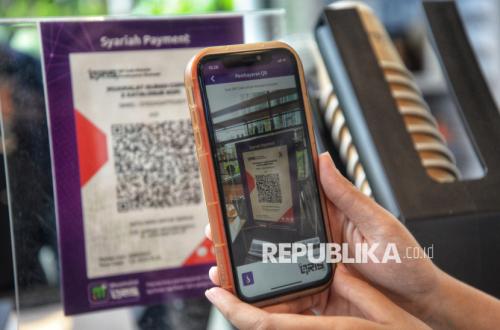
Bank Indonesia is accelerating the expansion of QRIS across borders. Following its official connection with South Korea from 1 April 2026, QRIS is targeted to be usable in China next month. This step expands the use of Indonesia’s digital payments in the Asian region and strengthens cross-border transaction connectivity. Deputy Governor of BI Filianingsih Hendarta stated that this cooperation will drive greater global integration of Indonesia’s payment system. Currently, QRIS cross-border is already in effect in Malaysia, Singapore, Thailand, Japan, and South Korea. “So currently we have embraced Asian Plus Three, namely Japan, South Korea, and hopefully next month we can connect with China as well,” Filianingsih said at the Launch of QRIS Cross-Country Cooperation between Indonesia and South Korea at the BI Complex, Jakarta, on Wednesday (4/1/2026). She explained that the expansion of cross-border QRIS is part of the Indonesia Payment System Blueprint 2030. The focus includes technological innovation as well as international connectivity. With this system, cross-border transactions are expected to become faster, cheaper, and more practical, without neglecting aspects of security and risk management. Filianingsih assessed that the benefits of cross-border QRIS will be directly felt by the public and business actors. Transactions become simpler, especially for tourists and SMEs seeking to reach overseas markets. “With this connectivity, business actors can reach regional to global markets more efficiently,” Filianingsih said. Domestically, QRIS has now become the backbone of retail digital payments. Its adoption rate continues to increase, driving efficiency and financial inclusion. Meanwhile, at the global level, cross-border QRIS transactions also show an upward trend, with 5.9 million inbound transactions and 1.7 million outbound transactions. Filianingsih added that strengthening this connectivity aligns with the Regional Payment Connectivity agenda in the Asian region. This integration is expected to reduce cross-border transaction barriers that have remained high. Looking ahead, Indonesia will not only be a user but also play an active role in building a more inclusive global digital payment ecosystem.