
QRIS Reaches South Korea, Making Transactions for Indonesians Abroad Easier
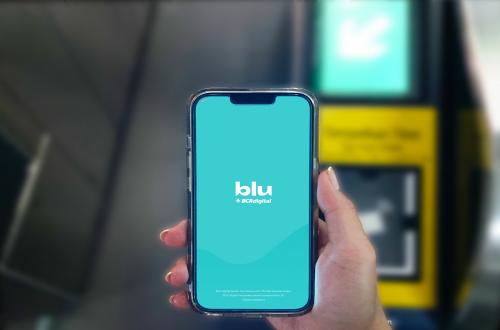
The ease of cross-border transactions is increasingly felt by Indonesian society. With the expansion of QRIS to South Korea, citizens can now transact simply by scanning a QR code via their mobile phones without needing to exchange cash. This expansion adds to the list of countries connected to Indonesia’s digital payment system, following Thailand, Malaysia, Singapore, and Japan. Up to early 2026, the total number of cross-border QRIS transactions reached more than 7.6 million, dominated by tourism and daily consumption needs. For the public, this system provides immediate convenience. Payment amounts are automatically converted to rupiah during transactions, so users no longer need to manually calculate exchange rates or carry large amounts of cash. Behind this, the role of national banks is also driving the use of cross-border QRIS. One of them is BCA, which has previously facilitated QRIS transactions in several tourist destinations. As public mobility increases, transactions processed by this bank are growing rapidly. Throughout 2025, the volume of cross-border QRIS transactions processed by BCA increased 185 percent year-on-year, with a value reaching Rp 632 billion or up 148 percent. This surge reflects changing public habits that increasingly rely on digital payments, including when abroad. BCA President Director Hendra Lembong said that cross-border QRIS has become a solution for the public’s increasingly practical transaction needs. “Cross-border QRIS is an easy, fast, and efficient payment solution for Indonesians abroad,” he stated in a comment on Monday (20/4/2026). The expansion to South Korea is considered strategic because the country is one of the favourite destinations for Indonesian tourists. With payment system integration, shopping activities to daily consumption become simpler. Looking ahead, the expansion of cross-border QRIS is expected to continue as public travel increases and digitalisation is promoted. For the public, the benefits are clear: transactions are more practical, transparent, and no longer dependent on cash when travelling abroad.