
Putin Smiles as Russia Quietly Makes Big Gains from the US-Iran Conflict
Jakarta, CNBC Indonesia - War in the Persian Gulf has brought unexpected consequences for the global energy market. Oil prices that had plummeted in recent months have surged dramatically. This abrupt shift has provided breathing room for Russia. Amid pressure from Western sanctions and declining energy exports, the Iran conflict has reopened revenue streams for Moscow.
According to The Economist, this shift is reflected in the journey of a tanker named Sarah. The Hong Kong-flagged vessel switched off its transponder whilst loading three cargoes of Russian oil from a small vessel off the coast of Oman in late February. Initially, the ship headed for Singapore to transfer its cargo to “shadow fleet” vessels that typically channel Russian oil to China.
Plans changed on 6 March after the United States granted a 30-day sanctions exemption allowing Indian refineries to purchase Russian oil. The vessel changed course towards India and was scheduled to arrive at a refinery in the western region of the country on 14 March.
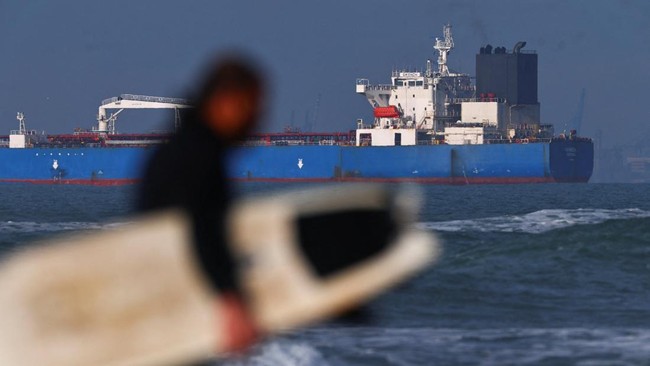
The tanker’s course change reflects a shift in the fortunes of Russia’s energy industry. The de facto closure of the Strait of Hormuz owing to the Iran war has trapped approximately 15% of the world’s oil supply in the Gulf. Several months earlier, the energy market had been flooded with oversupply. In December, Brent crude had fallen to as low as US$59 per barrel, the lowest level in five years. Brent is now approaching US$100 per barrel again.
This price surge has altered the position of Russian oil in the global market. Oil that was previously shunned by many buyers due to sanctions is now being sought again. This momentum arrives at a critical moment for the Kremlin. Before the Iran war erupted, Russia’s energy revenues were under pressure. Many refineries in India and China halted purchases around November ahead of American sanctions against Rosneft and Lukoil. In February, Russian oil export volumes fell roughly one-fifth. The combination of declining volume and prices caused Kremlin’s oil and gas revenues to plummet 44% compared with the previous year.
The impact has been felt directly on the state budget. In the first two months of this year, Russia’s budget deficit reached 3.4 trillion rubles, almost nine-tenths of the deficit target for all of 2026. The oil price surge provides an opportunity to reverse the situation. If the disruption in the Strait of Hormuz persists, Russia potentially could reap substantial gains similar to what occurred in 2022. Robin Brooks from the Brookings Institution estimates such gains could offset some of the roughly US$300 billion in frozen central bank foreign reserves that the West froze after the Ukraine invasion.
The swiftest benefits are visible in the export market. The Gulf crisis has enabled Russia to sell oil that had previously accumulated at sea due to a shortage of buyers. India has increased purchases by approximately 50%. This step has helped reduce Russian oil stockpiles aboard vessels to around 122 million barrels, down more than 10%. Chinese imports have also risen. Some cargoes had actually been sold previously, so traders have reaped the main profits. However, new market conditions provide Russia with the opportunity to sell subsequent production at higher prices.
Price represents the greatest advantage for Russia. The loss of some Middle Eastern oil supplies has triggered a race to find alternative sources. Russian oil has become a prime candidate because its quality resembles Middle Eastern crude, making it easy for Asian refineries to process.
High demand has led to Urals oil exported to India now being traded at a premium to Brent. Sergey Vakulenko, a former Gazprom Neft executive, estimates that every US$10 increase in Brent prices over a month raises the value of Russia’s energy exports by roughly US$2.8 billion, with approximately US$1.6 billion of that entering the Kremlin’s coffers.
The global energy crisis has also made it difficult for Western nations to tighten sanctions. The American administration had previously considered taking stronger action against Russia’s shadow tanker fleet. However, the surge in energy prices has altered political calculations.
Rachel Ziemba from the Centre for a New American Security believes the latest exemption weakens the credibility of American sanctions.
Nonetheless, Russia’s gains may not endure indefinitely. Thane Gustafson from Georgetown University characterises this surge as a “sugar high”.
Ukraine continues to attack Russian energy facilities, forcing energy companies to divert investment funds towards repairing infrastructure. Western sanctions and previously depressed prices have also reduced the industry’s capacity to conduct new exploration.
The Gulf war has given Russia one thing it desperately needs: time. Energy revenues are flowing again and fiscal pressure is easing. However, the foundation of Russia’s energy industry remains fragile. Oil production is forecast to decline by roughly 3% annually.
New conflict may offer the Kremlin temporary gains, but the economic damage from war and sanctions continues to cast a long shadow over Moscow.