
Putin Offers to Mediate Iran-Israel Conflict: Peace Effort or War Strategy?
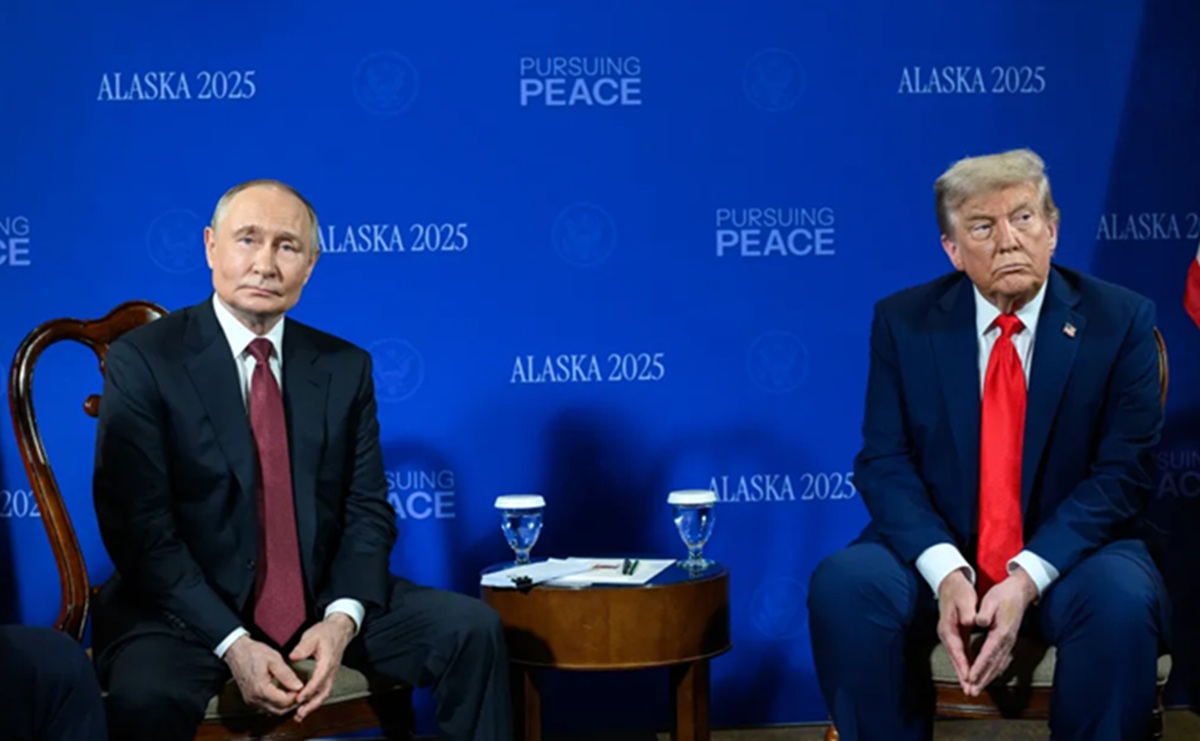
In the past week, Russian President Vladimir Putin has twice held telephone conversations with Iran’s President. In the midst of escalating attacks by the United States and Israel on Iranian territory, Putin is now attempting to position himself as an international peacemaker.
However, this image-building effort faces significant credibility challenges. The global public clearly recalls that Putin is a leader who ordered a full-scale invasion of Ukraine in 2022, an action condemned by the UN General Assembly as a violation of the UN Charter.
The Kremlin is now actively calling for “rapid de-escalation and political resolution” in the Iran conflict, whilst simultaneously continuing an exhausting war of attrition against Ukraine.
Although Russia has a “Comprehensive Strategic Partnership” with Tehran, the agreement has not reached the level of a joint defence pact. Rather than becoming militarily involved, Moscow is offering itself as a mediator.
In a telephone conversation with US President Donald Trump on Monday, Putin conveyed several ideas for diplomatic resolution. According to Kremlin statements, this step was based on Russian communications with leaders of Gulf states and Iran.
For Russia, this is a golden opportunity to raise its profile in the Middle East as an influential power. Simultaneously, Moscow is seeking to deepen relations with the Trump administration, which it believes could benefit Russia’s war objectives in Ukraine.
Trump himself responded to the offer matter-of-factly. “He [Putin] wants to help,” Trump said on Monday. “I told him, ‘You could help more by ending the Ukraine-Russia war. That would be more helpful.’”
Despite calling for peace, Russia is pragmatically benefiting from Middle Eastern tensions, particularly from an economic perspective. The surge in global oil prices provides a breath of fresh air for Russia’s state revenue to fund its war in Ukraine.
Russia’s federal budget is structured on the assumption of oil export prices at $59 per barrel. This week, crude oil prices surged dramatically to nearly $120 per barrel before moderating slightly.
This situation has become increasingly favourable for Moscow following Trump’s suggestion of possible sanctions relief on oil for “some countries” to address shortages caused by the Iran war. If Russian sanctions are relaxed, Moscow would receive an extraordinary windfall.
Ukrainian President Volodymyr Zelensky warned that easing sanctions against Russia would be a “serious blow” to Kyiv. Conversely, pro-Kremlin media welcomed this opportunity optimistically. The newspaper Komsomolskaya Pravda published the headline: “High oil prices are a reason [for the West] to cancel sanctions.”
Whilst Putin maintains cordial communication with Trump, some Russian media outlets have launched sharp criticism at US war policy in Iran. The tabloid Moskovsky Komsomolets even wrote harshly, “The peacemaker President has lost his mind.”