
Puspa Kaltara approves sanctions on digital platforms failing to comply with rules
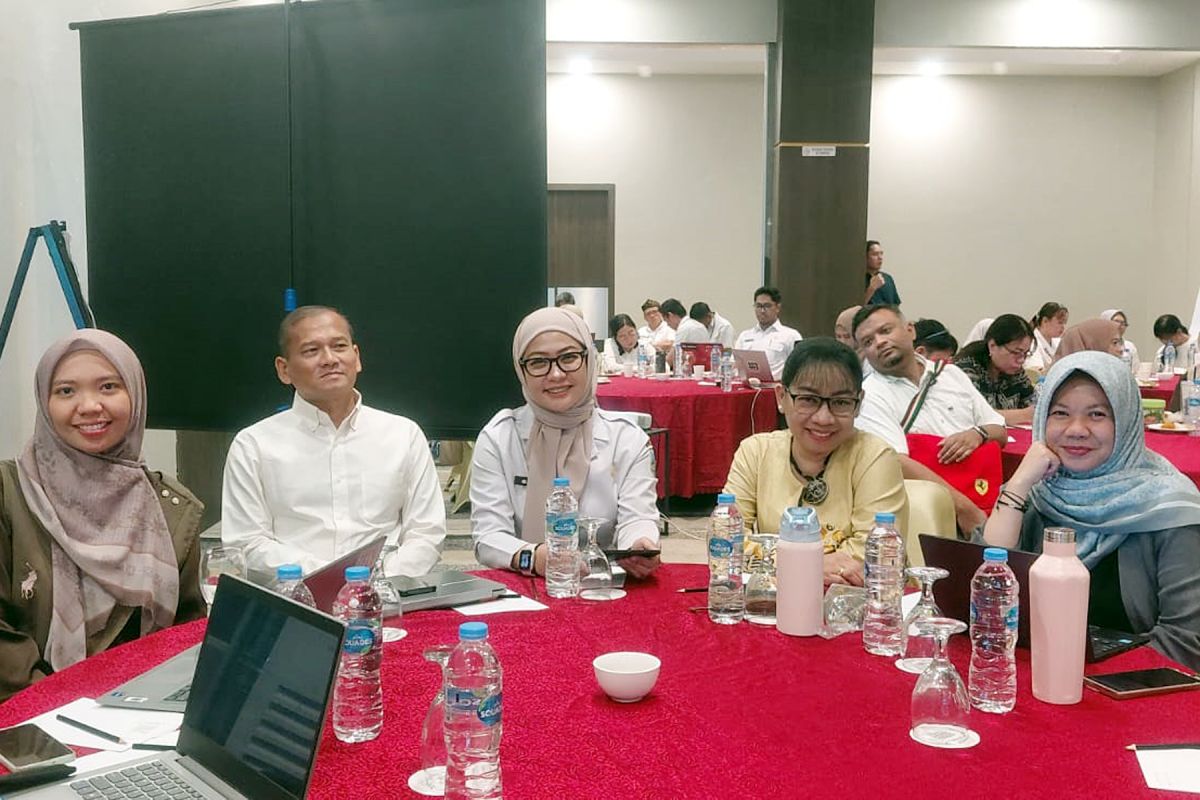
Tanjung Selor, North Kalimantan (ANTARA) - The Public Participation Forum for Women’s and Children’s Welfare (Puspa) in North Kalimantan Province has expressed its agreement with the application of sanctions against digital platforms that violate regulations on restricting accounts for children under 16 years old. “We strongly agree. If necessary, they should be shut down,” stated Puspa Kaltara Chair Fanny Sumajow in response to the issuance of Ministerial Regulation on Communication and Digital Affairs (Permenkomdigi) No. 9 of 2026, as the implementing regulation for Government Regulation (PP) No. 17 of 2025 on the Governance of Electronic Systems in Child Protection (PP Tunas) in Tanjung Selor on Sunday. This regulation serves as a technical guideline for digital platforms in fulfilling their obligations to protect children in the digital space. “It’s a good step to prohibit those under 18, but considering the needs of children aged 16 to 18 (late adolescents on the cusp of adulthood), they can be given responsibilities and informed about the boundaries of what is allowed and not,” she said. Indeed, she noted, children are vulnerable when given gadgets before they’re ready, yet they are taught to be tech-savvy, especially during the COVID-19 pandemic when children had to learn from home and use the internet. Reflecting on that, she continued, without boundaries for children, the threat is the destruction of their golden age, particularly in the first five years. “In 2021, it led to a lot of violence emerging when children were learning at home due to the pandemic,” she said. This restriction policy is viewed positively by Puspa Kaltara, which appreciates the government’s issuance of regulations to protect children in the digital space. According to her, it’s better to start now than never. “So if I say ‘sorry’ it’s very late, but better to start now. Better to have this rule to limit our children under 16 than not at all,” she said. If they are not restricted in using social media and high-risk digital platforms, children will develop wildly, with no boundaries at all, leading to “alone together.” Alone together, she explained, is the phenomenon where children are in the family but live separately or in isolation. “Even when together with family, they need their own space, no interaction, communication, coordination, or adaptation—everything dies. Totally dead. Especially from the 2021 pandemic until now, because there’s no family bonding,” she revealed. Children, she added, are already developing with independent images or cognitions; they overly trust the digital world and information from social media, which creates family conflicts. “Family values, unity, and harmony in family bonds are gone. So many children go astray because they believe their own understandings based on teachings that may not be accurate or valid on social media,” she said. “I think like this: the Child Protection Law states that children are never at fault. But when they go astray or make mistakes, it goes back to that article. They are never wrong, but parenting patterns make them wrong,” she said. Therefore, she continued, besides the government issuing restrictions, the role of parents at home is crucial in instilling good behaviour, values, and morals of compliance. Because if children are disobedient, undisciplined, non-compliant, and commit violence outside, it’s not because of the child’s feelings or behaviour emerging, but due to parenting. As Puspa Kaltara Chair who travels to Puspa in five regencies/cities, Fanny found the same issues: parents giving up and confused with children’s conditions, not knowing what to do anymore. Due to gadget and digital platform dependency, children don’t make eye contact when talking to parents and refuse to discuss. “Now, when there are platforms that are not compliant or unwilling to follow the rules, if I say, good to shut them down. Close. Eradicate completely,” she said.