
Purbaya states that additional Rp100 trillion SAL funds can be used more flexibly
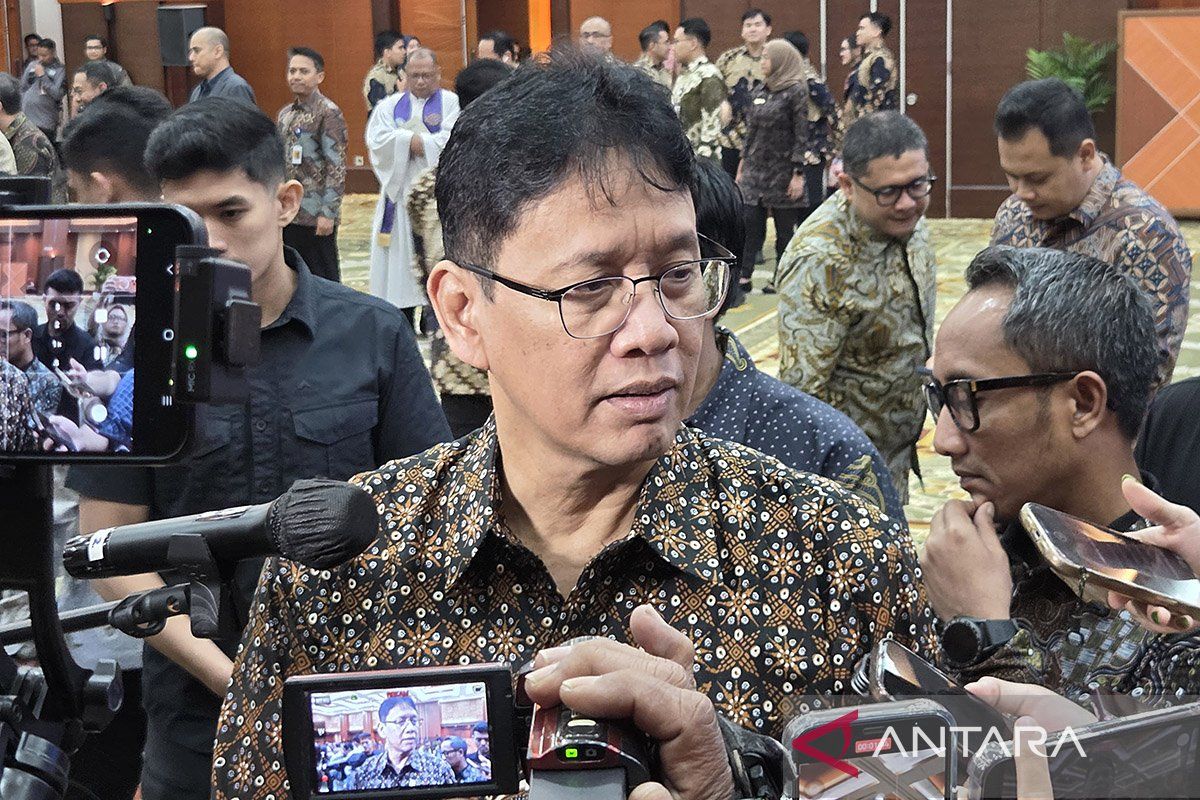
Jakarta (ANTARA) - Finance Minister Purbaya Yudhi Sadewa stated that the additional placement of Surplus Budget Balance (SAL) funds amounting to Rp100 trillion into the banking sector is provided under a more flexible scheme. Unlike the previous Rp200 trillion placement, which was more targeted, this additional funding can be utilised more broadly by the Association of State-Owned Banks (Himbara) and Regional Development Banks (BPD) to support financing in various economic sectors. “We just give it to them. This one (Rp100 trillion) is flexible. We place Rp100 trillion there, and they (the banks) will think about it later,” he said in Jakarta on Friday. Purbaya explained that this flexibility is granted because the government assesses that further impetus is still needed to maintain the momentum of economic growth. With greater leeway in usage, banks are expected to channel credit more freely. “It can be used for anything. Because the Rp200 trillion already has its allocation. This is an additional status that is more flexible because we see that a little more push is still needed for the economy,” he said. The government had previously placed Rp200 trillion in SAL funds into the banking sector. With the latest addition of Rp100 trillion, the total SAL fund placement now reaches approximately Rp300 trillion. The additional funds are being placed ahead of the Lebaran period to ensure banking liquidity remains stable amid potential increases in public funding needs. The policy also responds to market dynamics, particularly the rise in bond yields, which reflects liquidity pressures in the banking sector. Furthermore, regarding the evaluation of previous fund placements, the State Treasurer assessed that the overall performance of fund channelling by banks has shown good results. Nevertheless, he acknowledged challenges in tracing the specific flow of funds because they become mixed within the banking system. “If it’s in the bank reports, it’s good. But like this, once the money enters the bank, it’s mixed, right? They might claim that what they channel to MSMEs comes from me, that’s possible. But some might also go to the central bank. So once it’s in, it’s hard to trace,” he explained. The government, he continued, will continue to monitor the channelling of these funds to ensure they continue to impact credit growth.