
Purbaya: Rp300 Trillion SAL Placement Stimulates Economy Through the “Invisible Hand”
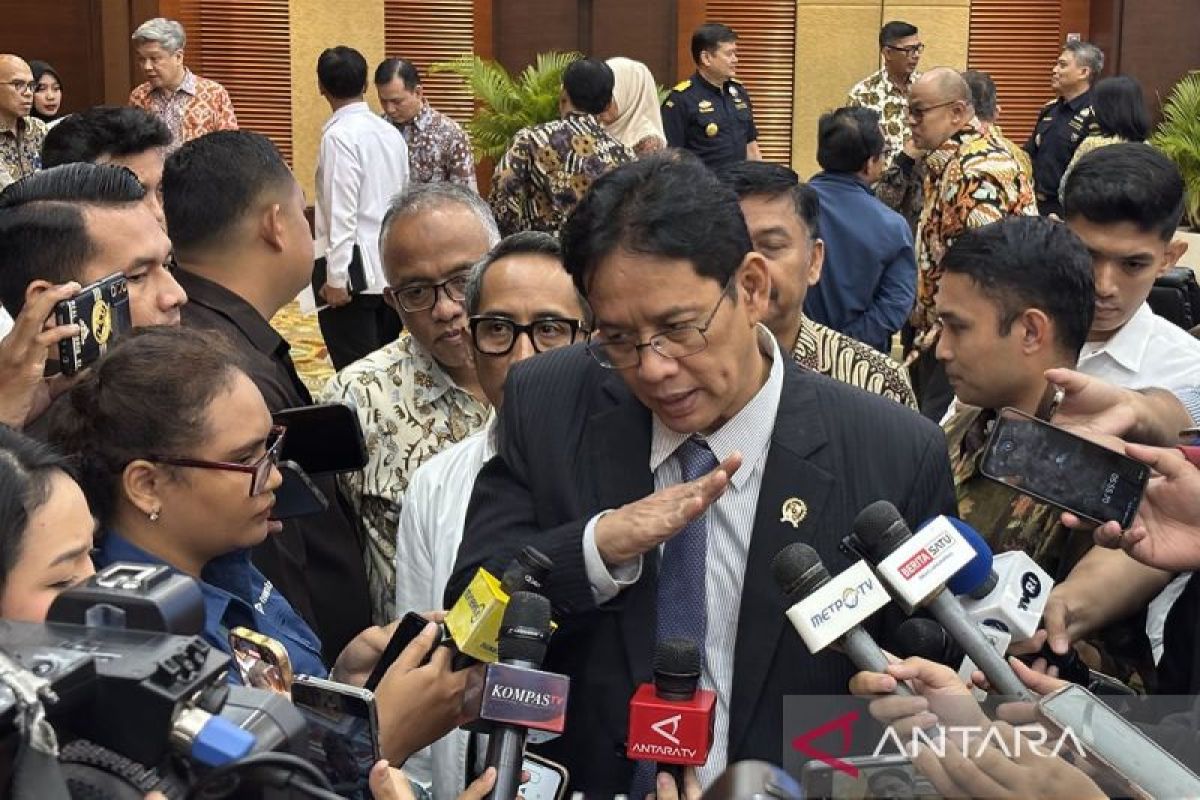
Jakarta (ANTARA) - Finance Minister Purbaya Yudhi Sadewa stated that the placement of Surplus Budget Funds (SAL) worth Rp300 trillion in the banking sector works to stimulate the economy through the mechanism of the “invisible hand” or unseen hand.
This means that the government’s fund injection encourages banks to optimise their intermediation functions, thereby accelerating economic activities.
“My policy forces the invisible hand to function in the financial sector so that banks will choose good projects and make the economy move,” Purbaya told reporters at the Attorney General’s Office in Jakarta on Friday.
Purbaya noted that the policy does not primarily target government priority programmes for fund distribution.
“Not always priority programmes. Actually, I don’t care where they place it (the funds), theoretically speaking. But once placed there, it (the funds) will spread through the economic system because the banks are compelled by the invisible hand,” the Finance Minister explained.
“So, our strategy behind it is like that, to activate the invisible hand,” he added.
The government had previously placed Rp200 trillion in SAL funds in banks. With the latest addition of Rp100 trillion, the total SAL placement now reaches approximately Rp300 trillion.
Unlike the previous Rp200 trillion placement, which was more directed, this additional funding can be utilised more broadly by the Association of State-Owned Banks (Himbara) and Regional Development Banks (BPD) to support financing in various economic sectors.
The additional funds were placed ahead of the Lebaran period to ensure banking liquidity remains stable amid potential increases in public funding needs.
The policy also serves as a response to market dynamics, particularly the rise in bond yields, which reflects liquidity pressures in the banking sector.